Last updated: September 2026
How Much Are Occupied Japan Items Worth?
Items marked 'Made in Occupied Japan' or 'Occupied Japan' were manufactured during the American occupation of Japan from 1945-1952. This relatively brief period created a distinct collecting niche. From porcelain figurines and tea sets to toys and lacquerware. Our AI identifies your piece's type, quality, and likely manufacturer to estimate its value.
Get the free app for unlimited scans


Compare real prices
See what occupied japan collectibles are listed for right now
Affiliate link: we earn a commission if you buy, at no extra cost to you.
What do you want to value?
Get the free app for unlimited scans
Why Knowing Your Occupied Japan Collectibles Value Matters
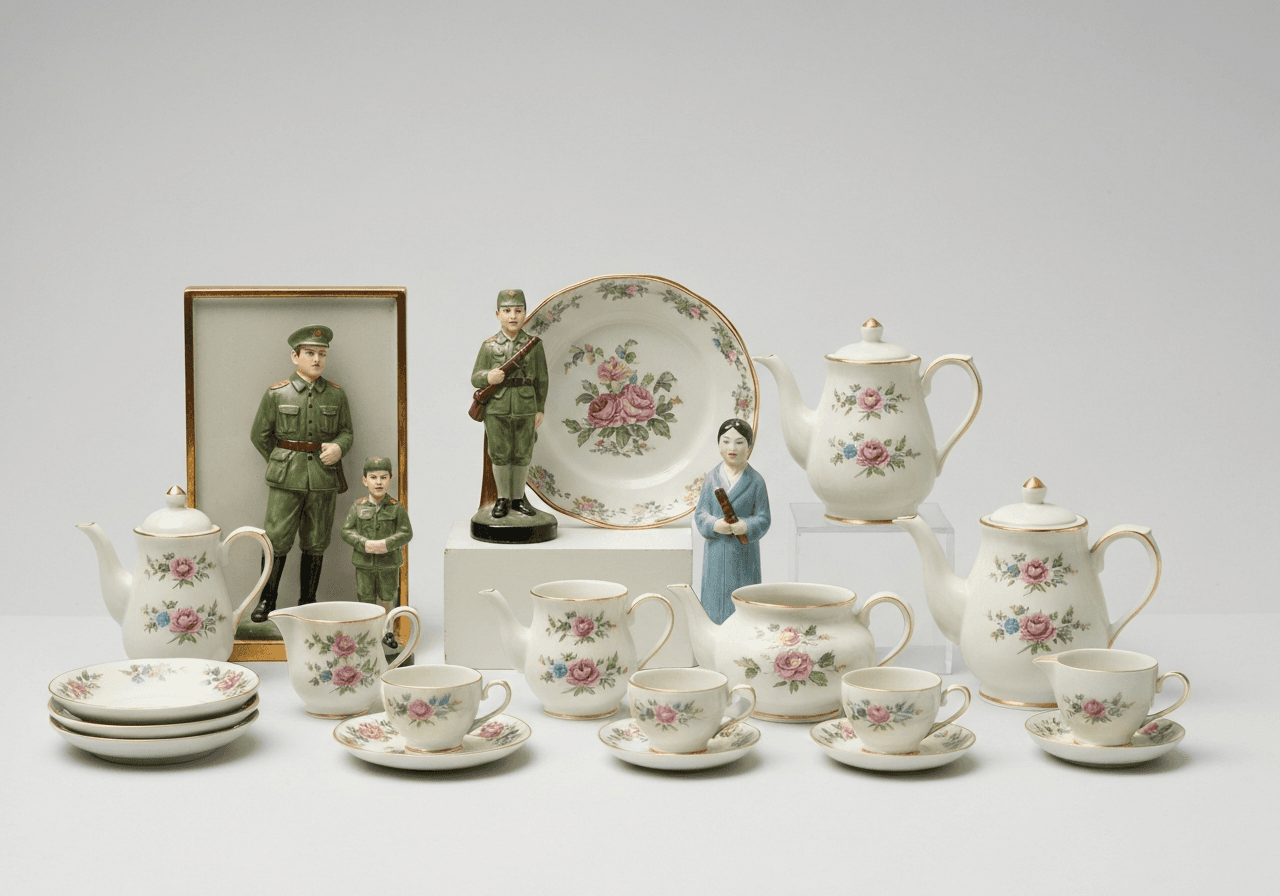
Occupied Japan items represent a fascinating slice of post-WWII history. During the American occupation (1945-1952), Japanese manufacturers produced goods for export marked with 'Occupied Japan' as required by US trade laws. This narrow 7-year window means items are definitively dateable and historically significant. While many pieces are modest in value ($5-$30), higher-quality porcelain figurines, detailed tea sets, and unusual items can be worth $50-$500+. The mark itself adds a collector premium. Identical items without the 'Occupied Japan' mark are typically worth less.
Key Factors That Affect Occupied Japan Collectibles Value
Understanding what drives the price of occupied japan collectibles helps you get the most accurate valuation.
Item Type
Figurines: $5-$200+ (detailed, larger pieces worth more). Tea/coffee sets: $30-$300+ (complete sets with all pieces). Toys (tin, wind-up): $25-$500+ (working, with boxes). Lacquerware: $15-$100+. Dinnerware: $5-$50 per piece. Novelty items: $10-$100+.
Quality & Detail
Higher-quality pieces with fine painting, detailed features, and sophisticated design command the best prices. Mass-produced simple items are worth $5-$15. Well-crafted figurines with hand-painted faces and intricate clothing: $30-$200+. Quality varies enormously across Occupied Japan manufacturers.
Mark Clarity
Clear, legible 'Made in Occupied Japan' marks are preferred. 'Occupied Japan' (shorter mark) is also collectible. Items with paper labels (often lost) may have a mark underneath. Red or black ink stamps are most common. Pieces with additional manufacturer names alongside the occupation mark may have higher value.
Condition
Perfect condition: full value. Minor chips or wear: 30-50% reduction. Cracks or repairs: 50-70% reduction. Missing pieces from sets: significant reduction. Original boxes or packaging: add 20-40% for toys and figurines.
Rarity & Unusual Items
Common items (small figurines, ashtrays): $5-$15. Unusual or hard-to-find items (mechanical toys, large figurines, complete sets): $50-$500+. Items that combine the occupation mark with high artistic quality are the most valuable.
Tips for Valuing Occupied Japan Collectibles
Get the most accurate valuation by following these tips when photographing your occupied japan collectibles.
Check the bottom or back of every piece for the 'Occupied Japan' or 'Made in Occupied Japan' mark
Photograph the mark clearly. It's the key to value
Complete sets (tea sets, figurine pairs) are worth more than individual pieces
Handle carefully. Many pieces are delicate porcelain with fine hand-painted details
Occupied Japan Collectibles Market Insights
Occupied Japan collecting is a well-established niche with dedicated collectors, reference books, and shows. The market is mature with stable pricing for most categories. Figurines are the most commonly collected items.complete tea and coffee sets command strong premiums over individual pieces. Tin toys from the occupation period are crossover collectibles that attract both Occupied Japan collectors and toy collectors. The historical significance of the period maintains ongoing collector interest.
Find Out What Your Occupied Japan Collectibles Are Worth
Upload a photo now and get a free AI-powered valuation in seconds. No sign-up required.
Occupied Japan Collectibles Valuation FAQ
What does 'Made in Occupied Japan' mean?
Between 1945-1952, when the US occupied Japan after WWII, exports were required to be marked 'Made in Occupied Japan' or 'Occupied Japan.' This marking identifies items from this specific 7-year historical period, making them collectible for their historical significance.
Are all Occupied Japan items valuable?
Most are worth $5-$30, but higher-quality pieces can be worth $50-$500+. Value depends on item type, quality, condition, and rarity. Simple ashtrays and small figurines are common and modestly valued, while detailed figurines, complete sets, and working tin toys command higher prices.
How do I know if my item is really from Occupied Japan?
Look for 'Made in Occupied Japan' or 'Occupied Japan' stamped, incised, or labeled on the bottom or back. The mark should appear consistent with 1945-1952 era manufacturing. Be aware that some fake marks exist. Genuine marks have period-appropriate ink colors and application methods.
What Occupied Japan items are worth the most?
Highest values: working tin/mechanical toys in boxes ($100-$500+), detailed large figurines ($50-$200+), complete tea/coffee sets in excellent condition ($100-$300+), and unusual or rare items ($50-$500+).common small figurines and ashtrays are worth $5-$15.
Where can I sell Occupied Japan items?
eBay reaches the most Occupied Japan collectors. Etsy works well for higher-quality decorative pieces. Specialty shows and antique malls cater to this niche. For large collections, auction houses with Americana expertise handle the logistics.
Value anything, anytime
Unlimited valuations, saved history and full reports in the free app.