Last updated: September 2026
How Much Is Your Telescope Worth?
Whether you have a Celestron, Meade, Orion, Sky-Watcher, or any other brand of refractor, reflector, or catadioptric telescope, our AI analyzes the type, aperture, mount, optics, and condition to provide an accurate resale valuation. Upgrading your setup? Lost interest in astronomy? Know what your telescope is worth.
Get the free app for unlimited scans


Compare real prices
See what telescopes are listed for right now
Affiliate link: we earn a commission if you buy, at no extra cost to you.
What do you want to value?
Get the free app for unlimited scans
Why Knowing Your Telescopes Value Matters
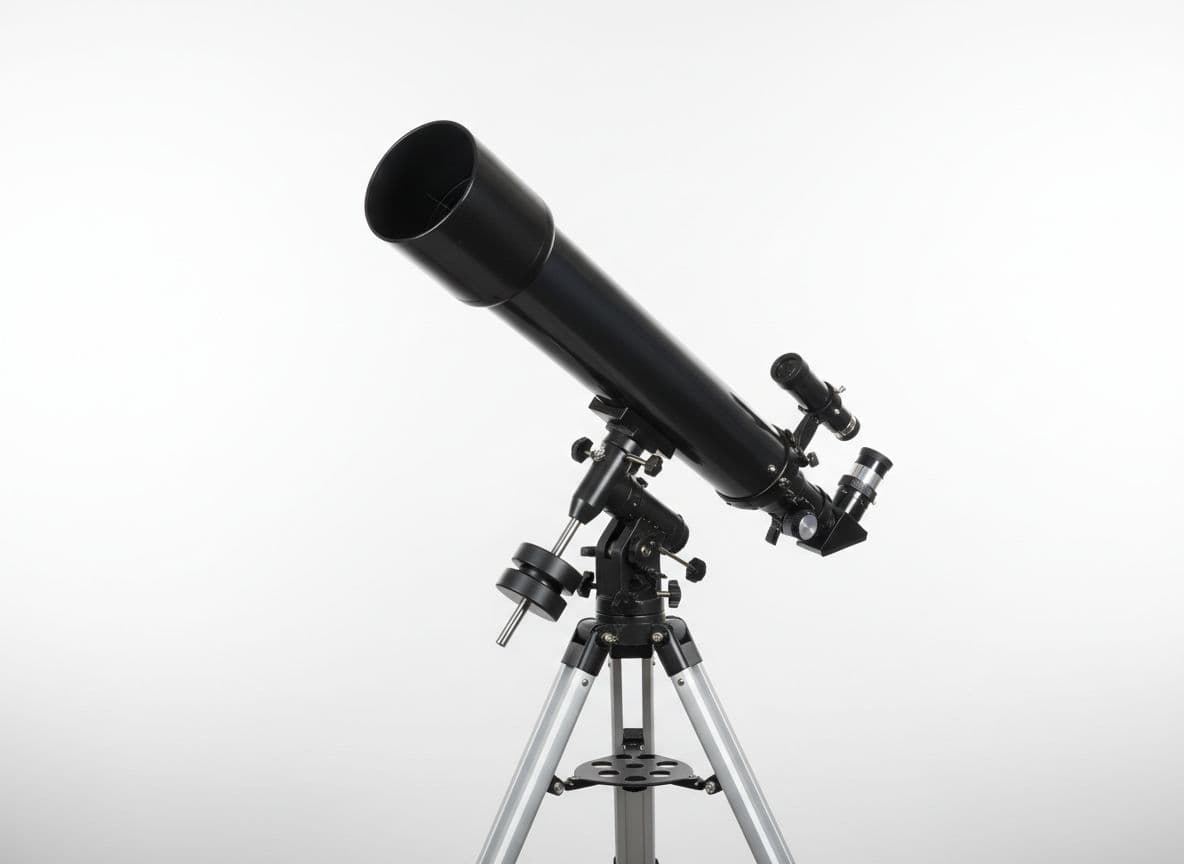
Telescopes range from $100 beginner models to $10,000+ advanced setups, creating a diverse resale market. The used telescope market is particularly strong because optics do not degrade with age. A well-maintained 20-year-old telescope performs identically to when it was new. This makes telescopes one of the few technology products where used and vintage items retain substantial value. Aperture (the diameter of the primary mirror or lens) is the single most important specification. It determines the telescope's light-gathering ability and resolution. Used telescopes typically sell for 40-65% of retail, with premium optics and computerized GoTo mounts holding value best. The astronomy hobby has a high dropout rate. Many people buy telescopes, use them a few times, and store them, creating a steady supply of barely-used telescopes on the secondhand market.
Key Factors That Affect Telescopes Value
Understanding what drives the price of telescopes helps you get the most accurate valuation.
Type & Aperture
Refractors (lens-based): excellent for visual and imaging, from $50 (small) to $3,000+ (APO refractors). Reflectors/Dobsonians: best value per inch of aperture, from $100 (6-inch) to $1,500+ (16-inch+). Schmidt-Cassegrain (SCT): the most popular advanced telescope, from $300 (5-inch) to $3,000+ (11-14 inch). Aperture is the primary value driver. Each increase in aperture shows more detail and commands proportionally higher prices.
Brand & Optics Quality
Premium brands command significant premiums: Takahashi and Astro-Physics refractors hold 70-90% of retail. TeleVue refractors: 60-80% of retail. Celestron and Meade are the mainstream leaders at 40-55% of retail. Sky-Watcher and Orion offer excellent value and hold 35-50%. Optics quality (ED/APO glass, mirror coatings, collimation accuracy) matters more than brand alone. Premium eyepieces (TeleVue Ethos, Explore Scientific) hold value independently.
Mount Type
The mount is often more important than the telescope tube for astrophotography and advanced use.computerized GoTo mounts (Celestron NexStar, Meade LX series, Sky-Watcher AZ-GTi) add significant value. $200-$1,500 depending on payload capacity. Equatorial mounts (EQ5, EQ6, CGEM, iOptron) hold value well for their imaging capability. Simple altazimuth and Dobsonian mounts are valued primarily for their sturdiness and simplicity. A shaky, undersized mount reduces the value of any telescope.
Accessories & Completeness
Eyepieces significantly affect total value. A single premium eyepiece can be worth $100-$400+. Finder scopes, diagonal mirrors, solar filters, and Barlow lenses add value. Astrophotography accessories (camera adapters, guide scopes, autoguiders) substantially increase setup value. Cases, counterweights, power supplies, and original documentation add convenience value. A complete, ready-to-observe setup sells faster and for more than individual components.
Condition & Optics
Optical condition is paramount. Scratched lenses, tarnished mirror coatings, or fungus on optics reduce value dramatically. Mirror re-coating costs $50-$200 and restores performance. Mechanical condition (focuser smoothness, mount tracking, GoTo accuracy) affects usability. Electronic components should all function. Dead hand controllers or faulty motors reduce value. Cosmetic wear (paint, decals) has minimal impact if optics and mechanics are sound.
Tips for Valuing Telescopes
Get the most accurate valuation by following these tips when photographing your telescopes.
Photograph the entire setup assembled. Telescope, mount, and accessories together showing it ready to use
Include close-ups of the optics (primary mirror or objective lens) showing coating condition and clarity
Show the mount controls and any GoTo hand controller functioning properly
List the aperture, focal length, focal ratio, and mount type. These are the key specifications buyers search for
Telescopes Market Insights
The used telescope market is served by several specialized platforms: Cloudy Nights classifieds is the most respected astronomy forum marketplace with knowledgeable buyers. Astromart is a dedicated astronomy classifieds site. eBay reaches the broadest audience but shipping telescopes is risky and expensive. Facebook astronomy buy/sell groups are active. Local astronomy clubs often have equipment swap nights and classified listings. These are excellent venues because buyers can test equipment under the stars. The dropout rate in astronomy means a steady supply of barely-used telescopes. Many 'used' telescopes have been taken out only 3-5 times. Seasonality is moderate: slight increases in demand during fall/winter (better seeing conditions and longer nights). Premium optics (Takahashi, TeleVue, Astro-Physics) have waiting lists for new products, which drives strong used prices. Astrophotography equipment has seen the biggest price growth as imaging has become the dominant hobby activity.
Notable Telescopes Values
Real-world examples of what specific telescopes have sold for, so you can benchmark your own.
| Telescope | Condition | Typical Value |
|---|---|---|
| Meade LX200 12" SCT (Classic Series) | Used | $400 - $900 |
| Celestron NexStar 8SE | Used | $600 - $950 |
| Takahashi FS-102 Fluorite Refractor | Used | $1,200 - $2,200 |
| Questar 3.5" Standard Maksutov | Used | $1,500 - $3,000 |
| Televue NP101is Refractor | Used | $2,000 - $3,200 |
| Celestron PowerSeeker 70AZ | Used | $30 - $70 |
| Sky-Watcher 10" Dobsonian (Classic) | Used | $250 - $450 |
| Astro-Physics 130 EDT Refractor | Used | $4,000 - $7,000+ |
| Meade ETX-90 Maksutov (Original) | Used | $80 - $200 |
Based on eBay sold listings, Astromart classifieds, and Cloudy Nights equipment forums pricing history.
Find Out What Your Telescopes Are Worth
Upload a photo now and get a free AI-powered valuation in seconds. No sign-up required.
Telescopes Valuation FAQ
How much is a used telescope worth?
Beginner telescopes (Celestron PowerSeeker, Orion StarBlast): $40-$150. Mid-range setups (Celestron NexStar 6SE, Sky-Watcher 8-inch Dobsonian): $200-$600. Advanced setups (Celestron CPC, Meade LX90, 10-14 inch Dobsonians): $500-$2,000. Premium optics (Takahashi, TeleVue, Astro-Physics): $800-$5,000+. The aperture, mount, and brand determine value within each tier.
Do old telescopes lose quality?
Glass optics do not degrade with age. A clean, well-stored 30-year-old telescope performs identically to new. Mirror coatings can tarnish over decades but are re-coatable for $50-$200. Vintage Celestron C8s from the 1980s still perform excellently. Electronic components (GoTo motors, hand controllers) can fail with age. Mechanical components (focusers, mounts) may need cleaning and lubrication. The longevity of optical quality is what makes used telescopes such good value.
What should I look for when buying a used telescope?
Check the optics first. Look through the telescope at a distant object during daytime or a star at night. The image should be sharp and clear. Inspect mirror/lens surfaces for scratches, fungus, or coating damage. Test the focuser for smooth operation. For GoTo mounts, verify alignment and tracking accuracy. Check for missing accessories (eyepieces, finder scope, diagonal). Ask about usage history and storage conditions.
Where can I sell a telescope?
Cloudy Nights classifieds is the best venue. Knowledgeable buyers, fair prices, and a trusted community. Astromart is a dedicated astronomy marketplace. eBay reaches the widest audience but shipping is expensive and risky for large telescopes. Local astronomy clubs post classifieds and host equipment swaps. Facebook astronomy groups connect buyers and sellers. For premium equipment, post on specialty forums where enthusiasts shop.
Is astrophotography equipment worth more?
Yes. Astrophotography-capable setups command significant premiums. Equatorial GoTo mounts (the most important astrophotography component) hold 50-70% of retail. Imaging-quality refractors (APO/ED) hold value better than visual-only telescopes. Cooled astronomy cameras (ZWO, QHY) hold 50-65% of retail. Autoguiders, filter wheels, and electronic focusers add value. A complete astrophotography rig can be worth $2,000-$8,000+ on the used market.
Value anything, anytime
Unlimited valuations, saved history and full reports in the free app.