Last updated: September 2026
How Much Does a Well Cost?
A residential water well costs $3,000 to $15,000+ depending on depth required, geology, and pump system. Drilling costs $25-$65 per foot, with most wells reaching 100-400 feet deep. Enter your property details for a cost estimate.
Get the free app for unlimited scans


Well Drilling Value Calculator
Fill in the details below for an accurate estimate
Why Knowing Your Well Drilling Value Matters
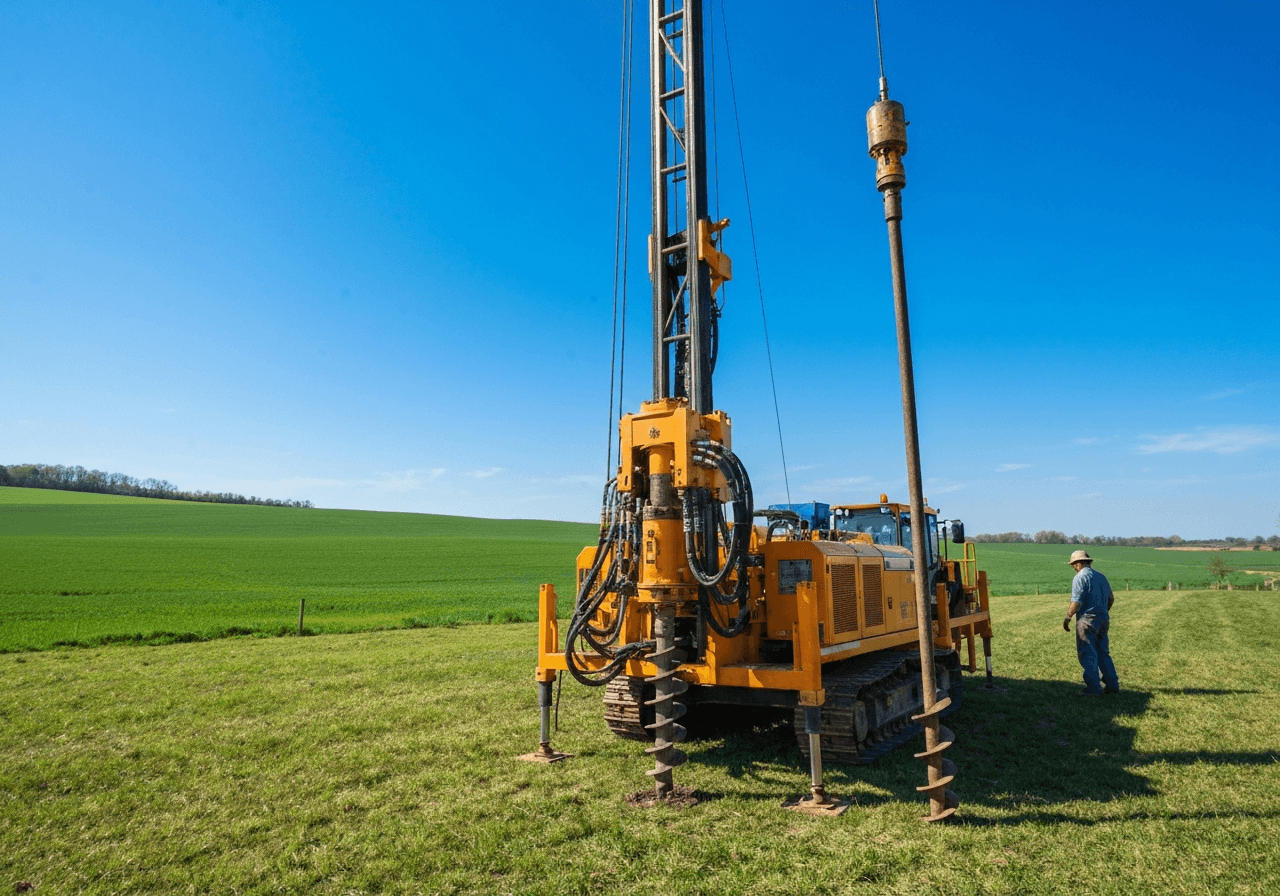
Approximately 13% of US households (43 million people) rely on private wells for drinking water. Drilling a new well costs $5,000-$12,000 on average, with depth being the primary cost driver. In areas with deep water tables (200-400+ feet), total costs can reach $15,000-$25,000. Understanding drilling costs per foot, pump costs, and required permits helps homeowners budget accurately. A properly installed well provides free water for 25-50+ years, often paying for itself vs. municipal water bills within 10-15 years.
Key Factors That Affect Well Drilling Value
Understanding what drives the price of well drilling helps you get the most accurate valuation.
Drilling Depth
Shallow well (under 50 feet): $1,500-$3,000. Limited to areas with high water tables. Medium depth (50-150 feet): $3,000-$8,000. Most common residential depth. Deep well (150-400 feet): $8,000-$20,000. Very deep (400+ feet): $15,000-$30,000+. Cost per foot: $25-$65 depending on geology.
Geology/Rock Type
Soft soil/sand: $25-$35/foot (fastest drilling). Clay: $30-$45/foot. Sandstone/limestone: $35-$55/foot. Hard rock (granite, basalt): $45-$65/foot. Drilling through hard rock is slower and wears out drill bits faster, increasing cost.
Pump System
Shallow well jet pump: $500-$1,000. Submersible pump (standard for deep wells): $1,000-$3,000. Constant pressure system: $2,000-$4,000. Pressure tank: $300-$800. Pump replacement (every 10-15 years): $1,000-$2,500 installed.
Well Casing & Finishing
Steel casing: $10-$20/foot. PVC casing: $5-$15/foot. Well cap and seal: $50-$200. Grout sealing (prevents surface contamination): $200-$500. Pitless adapter (for cold climates): $200-$500.
Permits & Testing
Well permit: $100-$500. Water quality testing: $100-$500. Flow rate test: $100-$300. Some counties require annual testing ($50-$200). Well report filing: $50-$100.
Tips for Valuing Well Drilling
Get the most accurate estimate by following these tips when evaluating your well drilling.
Specify your approximate location (county/state) for regional depth estimates
Note if you know the typical well depth in your area from neighbors
Mention soil/rock type if known from a perc test or geological survey
Indicate whether this is a new construction or replacing an existing well
Well Drilling Market Insights
Well drilling costs have increased 15-25% since 2020 due to higher fuel costs (drill rigs burn significant diesel), steel prices, and demand for rural properties. The move toward rural living post-pandemic increased demand for well drilling services, extending wait times to 2-6 months in many areas. Water quality concerns (PFAS, nitrates) have driven increased demand for well water testing and treatment systems. Modern well drilling technology (rotary drilling, geothermal pre-surveys) has improved success rates and reduced the chance of a dry hole.
Find Out What Your Well Drilling Are Worth
Upload a photo now and get a free AI-powered valuation in seconds. No sign-up required.
Well Drilling Valuation FAQ
How deep does a residential well need to be?
It depends on your water table. National average: 100-300 feet. Coastal areas: 50-150 feet. Mountain/arid regions: 200-500+ feet. Your well driller or county health department can provide typical depths for your specific area based on neighboring wells.
What if the driller doesn't find water?
Most reputable drillers charge a reduced rate for dry holes ($15-$25/foot instead of full price). Some offer a 'no water, no charge' guarantee up to a certain depth. Hydrogeological surveys ($500-$2,000) before drilling can identify the best location and reduce dry hole risk.
How long does a water well last?
A properly constructed well lasts 30-50+ years. The well casing and structure are essentially permanent. The pump needs replacement every 10-15 years ($1,000-$2,500). Annual maintenance costs are minimal ($100-$300 for testing and inspection).
Well water vs. city water: which is cheaper?
A well costs $5,000-$12,000 upfront but provides free water afterward (minus $100-$300/year in electricity and maintenance). Average municipal water bill: $50-$80/month ($600-$960/year). A well typically pays for itself in 8-15 years and saves money long-term.
Value anything, anytime
Unlimited valuations, saved history and full reports in the free app.