Last updated: September 2026
How Much Does New Siding Cost?
New siding costs $5,000-$25,000+ for a typical home in 2026, depending on material and home size. Vinyl siding is most affordable ($4-$8/sq ft), while fiber cement ($6-$13/sq ft) and wood ($8-$14/sq ft) offer premium aesthetics. Enter your details for an estimate.
Get the free app for unlimited scans


Siding Value Calculator
Fill in the details below for an accurate estimate
Why Knowing Your Siding Value Matters
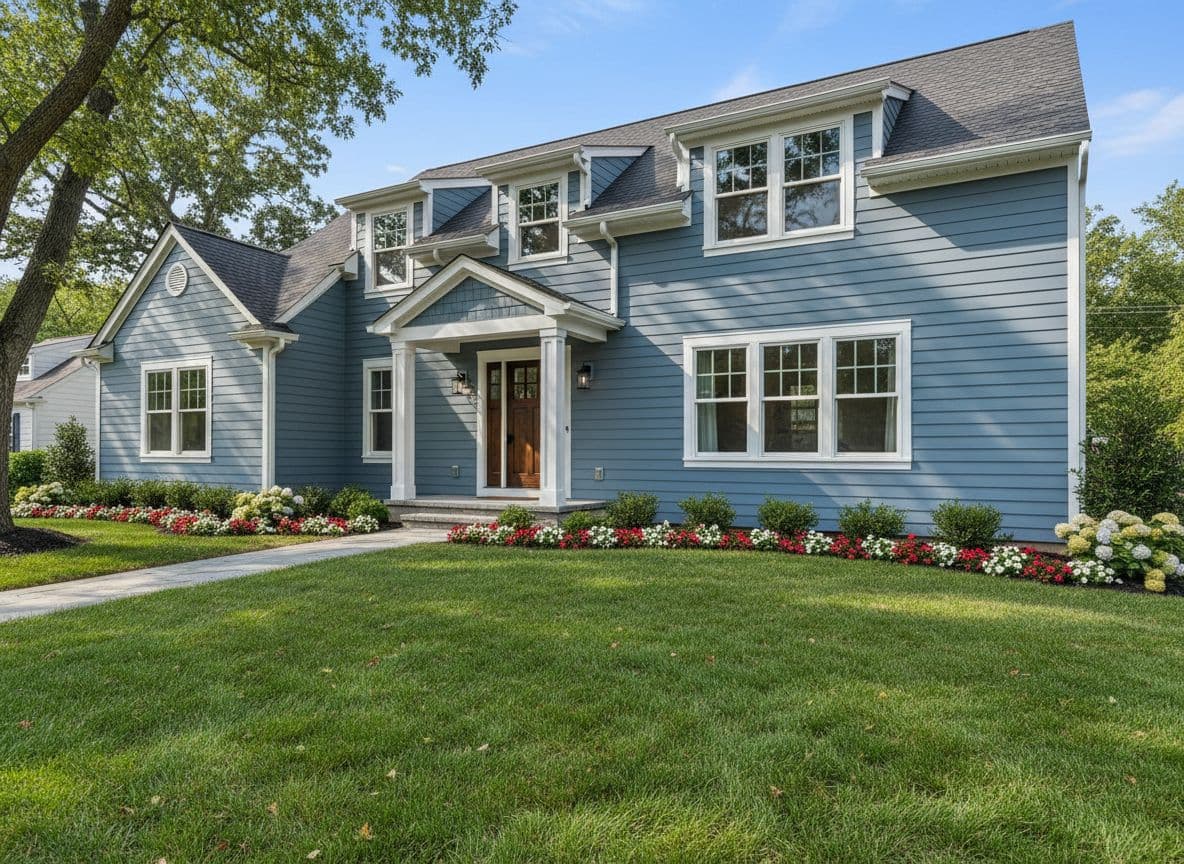
Siding replacement is one of the largest exterior home investments, second only to roofing. It transforms your home's appearance, improves energy efficiency, and protects against weather damage. Material choice has a huge impact on both cost and maintenance. Vinyl is cheapest but fiber cement (James Hardie) has become the material of choice for its durability and curb appeal. Understanding options and pricing helps you make the best long-term decision.
Key Factors That Affect Siding Value
Understanding what drives the price of siding helps you get the most accurate valuation.
Material
Vinyl: $4-$8/sq ft. Lowest cost, zero maintenance. Fiber cement (Hardie): $6-$13/sq ft. Excellent durability, fire-resistant. Engineered wood (LP SmartSide): $5-$10/sq ft. Wood look, low maintenance. Natural wood: $8-$14/sq ft. Beautiful but high maintenance. Metal: $7-$15/sq ft. Modern, durable.
Home Size
Siding is measured in 'squares' (100 sq ft). Average home has 15-25 squares of siding. Small home (1,000 sq ft siding): $5,000-$13,000. Medium (1,500 sq ft): $7,500-$20,000. Large (2,500+ sq ft): $12,500-$30,000+. Multi-story homes cost more due to scaffolding needs.
Removal of Old Siding
Removing old siding: $1-$3/sq ft. Some contractors install over existing siding (saves $1,000-$3,000 but may hide damage). Asbestos siding removal requires specialized handling: $5-$15/sq ft. Always inspect sheathing condition when removing old siding.
Trim, Soffit & Fascia
Window/door trim: $2-$5/linear ft. Soffit and fascia: $5-$12/linear ft. These are typically replaced or covered alongside siding. Budget an additional $2,000-$5,000 for trim work on an average home.
Insulation & Wrap
House wrap (Tyvek): $0.50-$1/sq ft. Insulated siding or foam backing: add $1-$3/sq ft. Rigid foam insulation board: $1-$2.50/sq ft. Adding insulation during siding replacement is the most cost-effective time to improve your home's energy envelope.
Tips for Valuing Siding
Get the most accurate estimate by following these tips when evaluating your siding.
Get at least 3 quotes. Siding prices vary 30-50% between contractors
Consider fiber cement if you plan to stay long-term. It lasts 50+ years vs 20-30 for vinyl
Replace trim, soffit, and fascia at the same time to save on labor
Ask about insulation options. Adding insulation during siding replacement is the cheapest time to improve energy efficiency
Siding Market Insights
Fiber cement (James Hardie) has become the fastest-growing siding material, valued for its 50+ year lifespan, fire resistance, and curb appeal. Vinyl remains the most installed material by volume due to its low cost. The trend toward mixed materials (combining siding types) adds visual interest but increases cost. Energy efficiency improvements and fire resistance are increasingly influencing material choice, especially in wildfire-prone and extreme climate areas.
Find Out What Your Siding Are Worth
Upload a photo now and get a free AI-powered valuation in seconds. No sign-up required.
Siding Valuation FAQ
How much does it cost to side a house?
For an average-size home: vinyl siding $6,000-$15,000, fiber cement $9,000-$25,000, wood $12,000-$25,000+. Total cost depends on home size, material choice, and whether old siding needs removal. Most homeowners spend $8,000-$18,000.
What is the best siding material?
Fiber cement (James Hardie) is considered the best overall for its 50+ year lifespan, fire resistance, rot resistance, and curb appeal. Vinyl is best for budget-conscious homeowners. Natural wood is best for traditional aesthetics. The 'best' depends on your priorities and budget.
How long does siding last?
Vinyl: 20-40 years. Fiber cement: 50+ years. Engineered wood: 30-50 years. Natural wood: 20-40 years (with maintenance). Metal: 40-60 years. Fiber cement and metal offer the best longevity.
Does new siding increase home value?
Yes. Siding replacement recovers 60-80% of costs at resale. Fiber cement siding has the highest ROI (75-80%) among siding types. Beyond financial return, new siding is often required to sell homes with damaged or dated exteriors.
Can I install siding over existing siding?
Yes, in many cases. Installing over existing siding saves removal costs ($1,000-$3,000). However, it prevents inspection of sheathing for damage, may affect insulation, and can create moisture problems. Most professionals recommend removal for best long-term results.
Similar Valuations
Value anything, anytime
Unlimited valuations, saved history and full reports in the free app.