Last updated: September 2026
How Much Does a Retaining Wall Cost?
A retaining wall costs $15-$50+ per square foot installed in 2026. A 50-foot wall, 4 feet tall (200 sq ft face) runs $3,000-$10,000. Material, height, drainage, and engineering requirements all affect pricing.
Get the free app for unlimited scans


Retaining Wall Value Calculator
Fill in the details below for an accurate estimate
Why Knowing Your Retaining Wall Value Matters
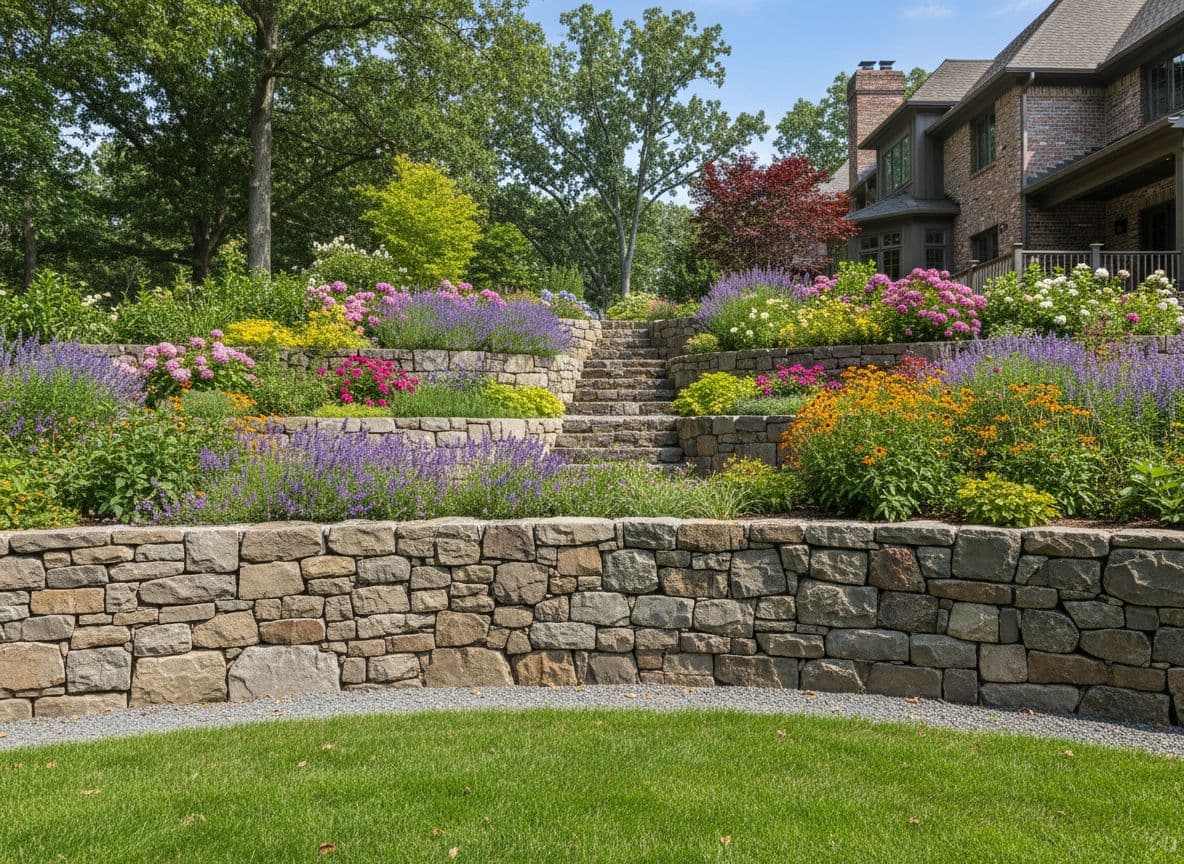
Retaining walls serve both structural and aesthetic purposes. They prevent erosion, create usable yard space, and add curb appeal. But costs vary 3x depending on material choice and engineering needs. Walls over 4 feet tall typically require engineering and permits, adding $1,000-$3,000 to costs. Understanding these factors prevents budget surprises.
Key Factors That Affect Retaining Wall Value
Understanding what drives the price of retaining wall helps you get the most accurate valuation.
Material
Concrete/CMU block: $15-$30/sq ft. Segmental retaining wall block (Versa-Lok, Allan Block): $20-$35/sq ft. Natural stone: $25-$50/sq ft. Poured concrete: $20-$40/sq ft. Timber/railroad tie: $10-$20/sq ft. Boulder: $20-$45/sq ft.
Wall Height
Under 3 feet: simplest, no engineering usually required. 3-4 feet: may need engineering depending on jurisdiction. 4-6 feet: typically requires engineering and permit. Over 6 feet: always requires structural engineering ($500-$2,000). Taller walls are exponentially more expensive.
Length & Area
Total wall face area (height x length) determines material quantity. A 50 ft long, 4 ft tall wall = 200 sq ft face area. Longer walls benefit from economies of scale on labor and equipment.
Drainage & Geogrid
Proper drainage (gravel backfill + perforated pipe): $3-$8/linear ft. Essential for wall longevity. Geogrid reinforcement for taller walls: $2-$5/sq ft. Skipping drainage is the #1 cause of retaining wall failure.
Site Access & Excavation
Easy access (equipment can reach site): base price. Limited access (hand-carry materials): add 20-40%. Significant excavation needed: add $5-$15/linear ft. Existing wall demolition: add $5-$10/sq ft.
Tips for Valuing Retaining Wall
Get the most accurate estimate by following these tips when evaluating your retaining wall.
Walls over 4 feet typically require a structural engineer and building permit
Never skip drainage behind the wall. It's the #1 cause of failure
Get at least 3 quotes from experienced landscape contractors or masons
Consider the long-term cost. Cheap timber walls last 10 years while stone lasts 50+
Retaining Wall Market Insights
Segmental retaining wall blocks (interlocking concrete blocks) have become the most popular choice for residential walls due to their balance of cost, appearance, and DIY-friendliness. Natural stone remains the premium choice for upscale properties. The trend toward outdoor living spaces has increased demand for decorative retaining walls with built-in seating and planters.
Find Out What Your Retaining Wall Are Worth
Upload a photo now and get a free AI-powered valuation in seconds. No sign-up required.
Retaining Wall Valuation FAQ
How much does a retaining wall cost per foot?
Per linear foot costs depend on height: a 2-ft wall costs $30-$60/linear ft, a 4-ft wall costs $60-$150/linear ft, and a 6-ft wall costs $120-$300/linear ft. Per square foot of wall face: $15-$50 depending on material.
Do I need a permit for a retaining wall?
Most jurisdictions require permits for walls over 4 feet tall (measured from bottom of footing to top of wall). Some require permits for any wall over 3 feet. Walls over 4 feet typically also require structural engineering plans ($500-$2,000).
How long does a retaining wall last?
Poured concrete and natural stone: 50-100+ years. Concrete block: 30-50+ years. Interlocking block: 30-50 years. Timber: 10-20 years. Proper drainage and construction are more important than material for longevity.
Can I build a retaining wall myself?
Walls under 3 feet tall using interlocking blocks are DIY-friendly and can save 50-60% on labor. Walls over 3-4 feet should be professionally built due to structural requirements and the risk of failure. Even DIY walls need proper drainage and base preparation.
What is the cheapest retaining wall material?
Timber/railroad ties ($10-$20/sq ft) are cheapest but last only 10-20 years. Concrete blocks ($15-$30/sq ft) offer the best long-term value. Natural stone ($25-$50/sq ft) is most expensive but lasts 50-100+ years and looks best.
Value anything, anytime
Unlimited valuations, saved history and full reports in the free app.