Last updated: September 2026
How Much Does Fence Installation Cost?
Whether you're fencing your backyard for privacy, keeping pets safe, or adding security to your property, our calculator provides a realistic cost estimate based on your fence's total length, height, material choice, number of gates, and location. From budget-friendly chain link to premium wrought iron, get an accurate budget before requesting contractor quotes.
Get the free app for unlimited scans


Fence Installation Cost Value Calculator
Fill in the details below for an accurate estimate
Why Knowing Your Fence Installation Cost Value Matters
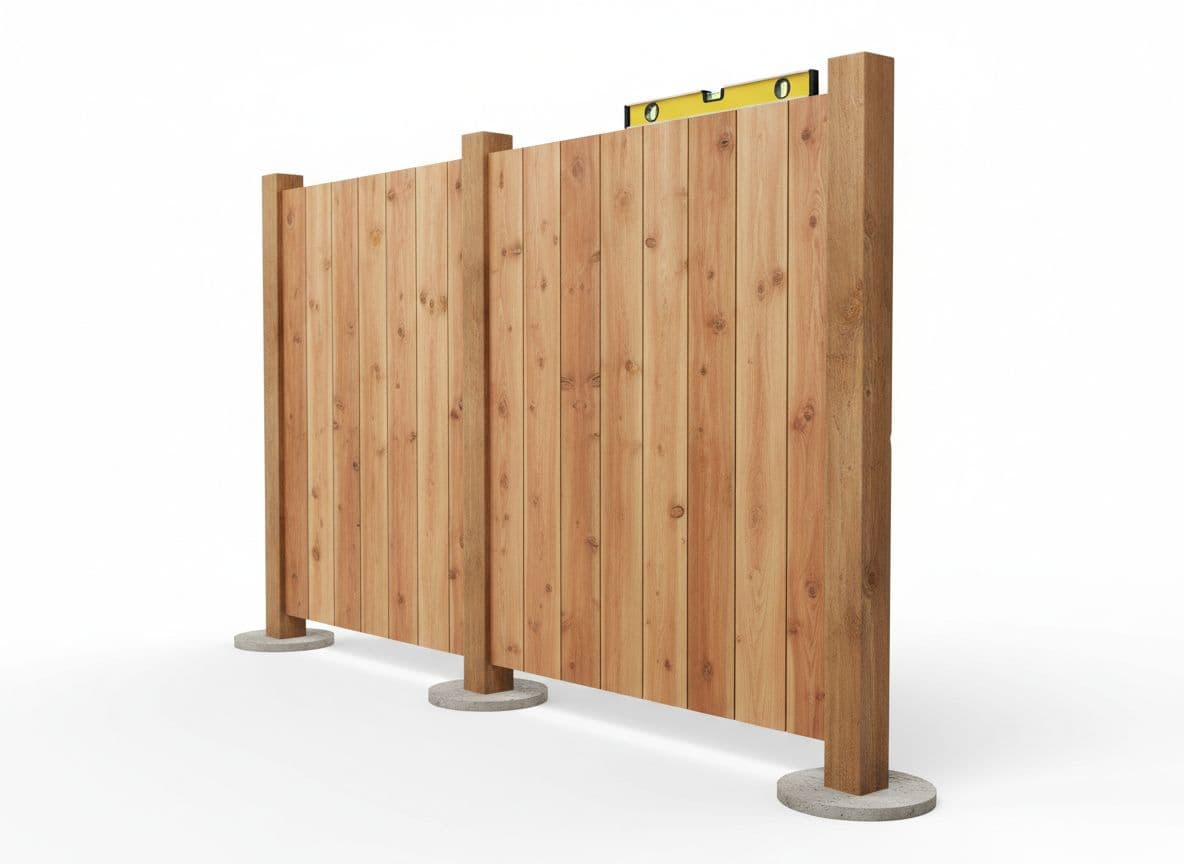
Fence installation costs range from $1,500 to $35,000+ depending on the length, material, and height, making it a significant home investment. The average American fence installation costs $2,800-$5,500 for a typical 150-200 linear foot backyard fence. However, material choice creates enormous cost differences. Chain link fencing costs $8-$16 per linear foot installed, while wrought iron runs $25-$60+ per linear foot. Many homeowners are surprised by the additional costs beyond basic fence panels: gate hardware ($100-$800 per gate), concrete footings ($3-$6 per post), grading on uneven terrain ($500-$2,000), and permit fees ($50-$500). Old fence removal adds $3-$5 per linear foot ($500-$1,000 for a typical yard). Getting an accurate estimate upfront helps you choose the right material for your budget, compare contractor bids effectively, and avoid surprises on installation day. Our calculator uses current material pricing and regional labor rates to give you a reliable starting point.
Key Factors That Affect Fence Installation Cost Value
Understanding what drives the price of fence installation cost helps you get the most accurate valuation.
Fence Length & Height
Total linear footage is the primary cost driver. The average residential fence is 150-200 linear feet. A standard 6-foot privacy fence is the most common height for residential properties, costing 20-35% more than a 4-foot fence due to more material and larger posts. An 8-foot fence (for maximum privacy or security) costs 40-60% more than a 6-foot fence and may require permit approval in some jurisdictions. For a 150 linear foot fence, expect: 4-foot height at $1,500-$4,000, 6-foot at $2,500-$6,000, and 8-foot at $4,000-$9,000, depending on material.
Material Selection
Material is the largest cost variable after length. Chain link is the most affordable at $8-$16/linear foot installed ($1,200-$2,400 for 150 ft) and lasts 15-20 years. Pine wood fencing costs $12-$25/linear foot ($1,800-$3,750) and lasts 10-15 years with maintenance. Western red cedar costs $18-$35/linear foot ($2,700-$5,250) and lasts 15-25 years with natural rot resistance. Vinyl/PVC costs $20-$40/linear foot ($3,000-$6,000) and lasts 20-30 years with virtually no maintenance. Aluminum costs $22-$45/linear foot ($3,300-$6,750) and lasts 20-30 years. Wrought iron is the premium option at $25-$60/linear foot ($3,750-$9,000) and lasts 50+ years with proper maintenance.
Gates & Hardware
Every fence needs at least one gate, and gates are disproportionately expensive compared to fence panels. A standard 3-4 foot walk gate costs $100-$400 installed. A 6-foot double-swing driveway gate costs $300-$1,200. Automated sliding or swinging driveway gates cost $1,500-$8,000+ including the motor, remote controls, and electrical work. Gate hardware quality matters. Budget hardware ($30-$60) may need replacement within 3-5 years, while premium stainless steel hardware ($80-$200) lasts the life of the fence. Plan for 1-3 gates in a typical backyard fence.
Terrain & Site Conditions
Flat, clear terrain is the least expensive to fence. Hilly or sloped ground requires either 'racking' (angling panels to follow the slope, adding $2-$5/linear foot) or 'stepping' (stair-stepping panels with gaps at the bottom, requiring more posts). Rocky soil that prevents post-hole digging may require core drilling ($10-$30 per post extra). Tree roots, underground utilities, and existing landscaping can add $200-$1,000+ in modifications. Old fence removal adds $3-$5/linear foot ($450-$1,000 for a typical yard). Survey stakes or a plot map are recommended to ensure the fence is on your property line. Building on a neighbor's property can require costly relocation.
Labor & Location
Labor typically accounts for 40-60% of the total fence installation cost. In high-cost markets (Northeast, West Coast, major metros), labor runs $30-$60/hour per installer, while in lower-cost areas it's $20-$40/hour. A typical 150 linear foot privacy fence takes a crew of 2-3 workers 1-3 days to install. DIY installation can save $1,500-$4,000 on labor but requires proper tools (post hole digger or auger rental $50-$100/day, concrete, level, string line) and careful attention to post depth (at least 1/3 of total post length underground, with concrete footings below the frost line in cold climates). Permits cost $50-$500 and are required in most areas.
Tips for Valuing Fence Installation Cost
Get the most accurate estimate by following these tips when evaluating your fence installation cost.
Verify your exact property lines with a survey or plot plan before installing. A fence built even partially on your neighbor's property can legally be required to be removed at your cost
Check local zoning ordinances and HOA rules before choosing material and height. Many areas restrict front-yard fence height to 3-4 feet and backyard to 6 feet, and HOAs often mandate specific materials and colors
Consider vinyl or aluminum for the lowest long-term cost. Wood fences require staining/sealing every 2-3 years ($500-$1,500 per treatment) and typically last 10-20 years, while vinyl and aluminum last 25-30+ years with no maintenance
Get quotes from at least three fencing contractors and ask for references from recent local installations. The fencing industry has many fly-by-night operators, and quality of post-setting (depth, concrete, plumb) determines how long your fence will actually last
Fence Installation Cost Market Insights
The US fencing industry is valued at approximately $10 billion annually for residential installations. Vinyl/PVC fencing has been the fastest-growing segment, gaining market share from wood due to its zero-maintenance appeal and decreasing prices. However, wood (especially cedar) remains the most popular material for privacy fences due to its natural appearance and lower upfront cost.composite fencing (Trex, SimTek) is an emerging category that offers the look of wood with the durability of vinyl at a moderate premium ($25-$45/linear foot). Aluminum fencing has largely replaced traditional wrought iron for ornamental purposes, offering a similar look at 40-60% lower cost with no rust concerns. Material costs have stabilized after lumber price spikes in 2021-2022, with cedar and pine prices returning to near-normal levels. The labor shortage affects fencing contractors significantly. Experienced fence installers are in high demand, and quality contractors are often booked 2-4 weeks out during spring and summer. The biggest consumer issue in fencing is property line disputes. Always verify your property boundaries with a survey ($300-$500) before installing a fence, as building even a few inches over the property line can result in forced removal at your expense.
Notable Fence Installation Cost Values
Real-world examples of what specific fence installation cost have sold for, so you can benchmark your own.
| Fence Installation Cost | Condition | Typical Value |
|---|---|---|
| Wood Privacy Fence (6 ft, 100 linear ft) | Professional Install | $1,500 - $3,000 |
| Chain-Link Fence (4 ft, 150 linear ft) | Professional Install | $800 - $2,000 |
| Vinyl Privacy Fence (6 ft, 100 linear ft) | Professional Install | $2,500 - $5,000 |
| Aluminum Ornamental Fence (4 ft, 100 linear ft) | Professional Install | $2,000 - $4,500 |
| Split Rail Fence (3-rail, 200 linear ft) | Professional Install | $1,200 - $2,800 |
| Wrought Iron Fence (5 ft, 100 linear ft) | Professional Install | $3,500 - $8,000+ |
| Composite Wood Fence (6 ft, 100 linear ft) | Professional Install | $4,000 - $7,500 |
| Barbed Wire Agricultural Fence (4-strand, per mile) | Professional Install | $1,500 - $4,000 |
| Electric Dog Fence (underground, 1/3 acre) | Professional Install | $900 - $2,500 |
Based on contractor quotes, HomeAdvisor/Angi cost data, and regional material pricing surveys.
Find Out What Your Fence Installation Cost Are Worth
Upload a photo now and get a free AI-powered valuation in seconds. No sign-up required.
Fence Installation Cost Valuation FAQ
How much does a privacy fence cost?
A standard 6-foot wood privacy fence for a typical backyard (150-200 linear feet) costs $2,500-$6,000 installed. Pine is the most affordable at $12-$25/linear foot ($1,800-$5,000 for 150 ft). Western red cedar costs $18-$35/linear foot ($2,700-$7,000). Vinyl privacy fencing costs $20-$40/linear foot ($3,000-$8,000) but requires zero maintenance. These prices include posts set in concrete, panels or boards, post caps, and one walk gate. Additional gates, uneven terrain, and old fence removal add to the cost. A composite privacy fence (Trex) costs $25-$45/linear foot and combines the look of wood with vinyl's durability.
How long does fence installation take?
A professional crew of 2-3 workers can typically install 100-200 linear feet of fence per day, depending on material, terrain, and conditions. A standard 150 linear foot backyard privacy fence takes 1-2 days. More complex installations. Wrought iron, stone/masonry posts, steep terrain, or extensive old fence removal. May take 3-5 days. The total project timeline from signing a contract to completion is typically 1-4 weeks, with most of the wait being for scheduling and material delivery. DIY fence installation takes considerably longer. Plan for 2-4 weekends for a 150 linear foot fence, including time for digging post holes, setting posts in concrete (which needs 24-48 hours to cure before attaching panels), and installing panels and gates.
What is the cheapest type of fence to install?
Chain link is the cheapest fence at $8-$16/linear foot installed ($1,200-$2,400 for 150 linear feet). For privacy fencing, pine wood is the most affordable at $12-$25/linear foot ($1,800-$3,750 for 150 ft), though it requires staining every 2-3 years and lasts only 10-15 years. For the lowest total cost of ownership (upfront + maintenance over 20 years), vinyl fencing is often the best value. It costs more upfront ($20-$40/linear foot) but requires zero maintenance and lasts 25-30 years, while a pine fence will need 6-8 stain applications ($3,000-$8,000 total) and possible replacement within 15 years.
Do I need a permit to build a fence?
Most municipalities require a permit for fence installation, typically costing $50-$500. Permit requirements vary by location but generally require: a site plan showing the fence location relative to property lines, the fence height and material, and compliance with setback requirements (most codes require fences to be 6-12 inches inside your property line, not directly on it). Some areas allow fences under 6 feet without a permit. HOA approval (if applicable) is separate from city permits and must also be obtained. HOAs often have strict rules about fence material, color, height, and style. Building without required permits can result in fines ($100-$1,000) and forced removal. Your contractor should pull the permit as part of their service, but verify this is included in the quote.
Value anything, anytime
Unlimited valuations, saved history and full reports in the free app.