Last updated: September 2026
How Much Does a Roof Replacement Cost?
A new roof is one of the most significant home investments you'll make, and costs vary widely based on your roof's size, the material you choose, and your local market. Our calculator factors in roof square footage, material type (from budget asphalt shingles to premium slate), number of stories, tear-off requirements, and your location to provide a realistic cost estimate before you start getting contractor quotes.
Get the free app for unlimited scans


Roof Replacement Cost Value Calculator
Fill in the details below for an accurate estimate
Why Knowing Your Roof Replacement Cost Value Matters
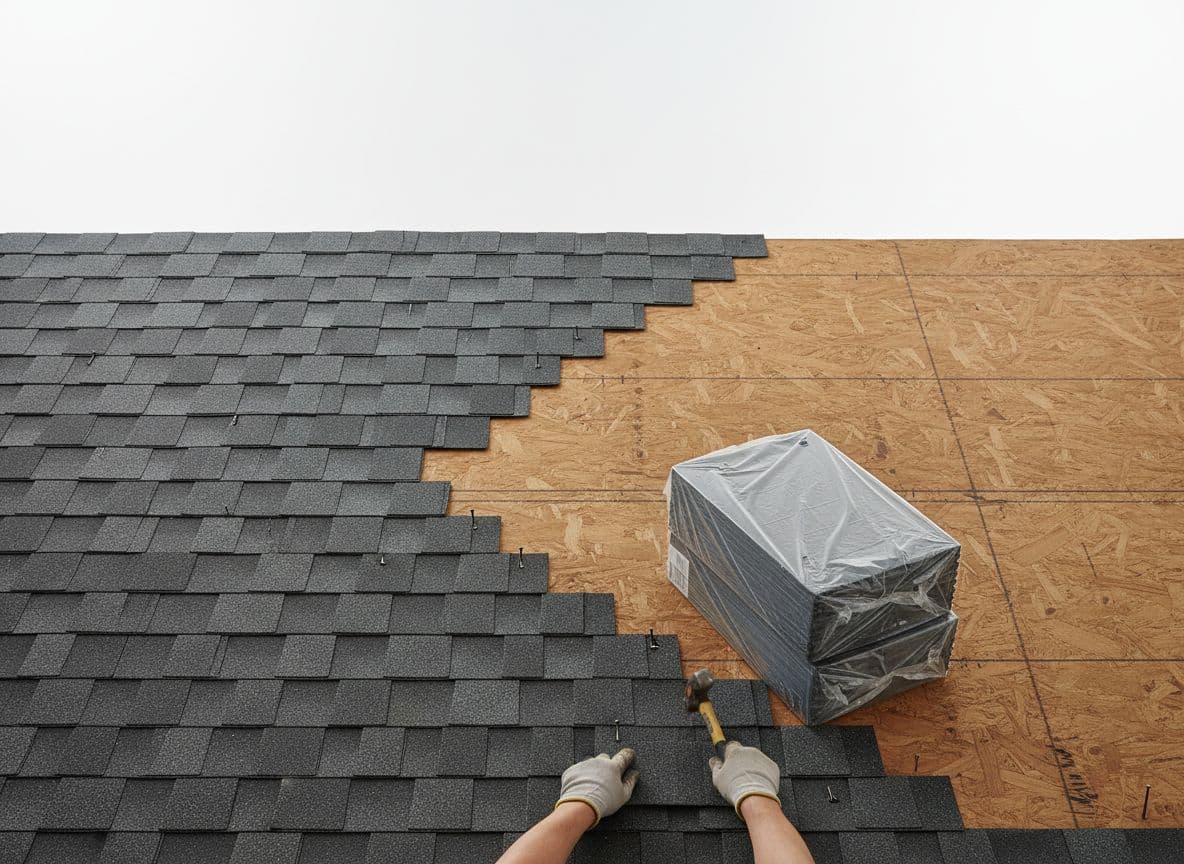
Roof replacement costs range from $6,000 to $80,000+ depending on the size and material, making it one of the most expensive home maintenance projects. The average American roof replacement costs $8,000-$15,000 for asphalt shingles on a typical 2,000 sqft roof. However, premium materials like standing seam metal ($15,000-$30,000), clay tile ($20,000-$45,000), or natural slate ($30,000-$80,000) can multiply that cost several times over. Homeowners are often blindsided by add-on costs that weren't in the initial quote. Wood rot repair ($1,000-$5,000), decking replacement ($2,000-$6,000), fascia and soffit work ($1,000-$4,000), and upgraded ventilation ($500-$2,000) can add 15-30% to the project. Getting an accurate estimate upfront helps you budget properly, compare contractor bids effectively, and avoid being pressured into decisions by storm chasers or high-pressure sales tactics. Our calculator uses real roofing cost data adjusted for material prices and regional labor rates.
Key Factors That Affect Roof Replacement Cost Value
Understanding what drives the price of roof replacement cost helps you get the most accurate valuation.
Roof Size
Roofing is priced per square (100 sqft of roof area). A typical single-story ranch home has 1,500-2,500 sqft of roof area, while a two-story colonial might have 1,200-1,800 sqft. The installed cost per square ranges from $300-$500 for asphalt shingles, $600-$1,200 for metal, $800-$1,600 for tile, and $1,500-$4,000 for natural slate. A 2,000 sqft roof (20 squares) would cost $6,000-$10,000 for basic asphalt shingles, $12,000-$24,000 for standing seam metal, and $30,000-$80,000 for natural slate, including labor and materials.
Material Selection
Material choice is the largest cost variable. 3-tab asphalt shingles ($1.50-$2.50/sqft) are the cheapest and last 15-20 years. Architectural/dimensional shingles ($2.50-$4.00/sqft) are the most popular choice, lasting 25-30 years with better aesthetics and wind resistance. Standing seam metal ($6.00-$12.00/sqft) lasts 40-60 years with minimal maintenance. Clay and concrete tile ($8.00-$16.00/sqft) lasts 50-100 years but requires reinforced roof structure. Natural slate ($15.00-$40.00/sqft) can last 100+ years but is the most expensive and heaviest option. Wood shake ($6.00-$10.00/sqft) offers a distinctive look but requires more maintenance.
Tear-Off vs. Overlay
If your existing roof has one layer of shingles in reasonable condition, an overlay (installing new shingles on top) saves $1,000-$3,000 by avoiding tear-off and disposal costs. However, most roofing professionals recommend a full tear-off because it allows inspection of the decking for rot and water damage, ensures proper underlayment installation, and provides a longer-lasting result. Building codes in most areas limit roofs to two layers maximum. If your roof already has two layers, a tear-off is required. Tear-off costs run $1.00-$2.00/sqft ($2,000-$4,000 for a typical roof) including labor and dumpster rental.
Roof Complexity & Access
Roof pitch (steepness) significantly affects labor costs. Low-slope roofs (4/12 or less) are the easiest and cheapest to work on. Standard pitch (4/12 to 8/12) is typical for most homes. Steep roofs (8/12 and above) require additional safety equipment, slower work, and can add 20-40% to labor costs. Roof complexity. Number of valleys, hips, dormers, chimneys, skylights, and penetrations. Also increases cost because each feature requires flashing and detailed work. Multi-story homes cost more due to ladder and scaffold requirements, adding 10-25% per additional story.
Location & Season
Labor rates vary by 30-50% across regions. In high-cost areas (Northeast, West Coast), asphalt shingle installation runs $3.50-$5.00/sqft, while in the Southeast and Midwest it's $2.50-$4.00/sqft. Seasonal timing also matters: late spring through early fall is peak roofing season with higher prices and longer wait times (2-6 weeks). Winter and early spring offer lower prices (10-20% savings) and faster scheduling, though weather delays are possible in colder climates. Post-storm periods see price spikes of 20-50% as demand surges. Avoid re-roofing immediately after a major hailstorm in your area if possible.
Tips for Valuing Roof Replacement Cost
Get the most accurate estimate by following these tips when evaluating your roof replacement cost.
Get at least three written quotes from licensed, insured local roofers. Each quote should specify material brand and grade, warranty terms, tear-off inclusion, and what happens if they discover rot or damage during the project
Ask about the manufacturer warranty AND the workmanship warranty separately. Material warranties (25-50 years from GAF, Owens Corning, CertainTeed) only cover defective shingles, while workmanship warranties (5-25 years from the contractor) cover installation errors, which are far more common
If filing an insurance claim for storm damage, get an independent inspection before the insurance adjuster visits. Know what damage exists so you can advocate for full coverage
Consider upgrading to architectural shingles even on a tight budget. The cost premium over 3-tab shingles is only $500-$1,500 on a typical roof, but they last 10+ years longer, look significantly better, and add more resale value
Roof Replacement Cost Market Insights
The US roofing market is valued at approximately $20 billion annually for residential re-roofing. Asphalt shingles dominate with approximately 75% market share, though metal roofing is the fastest-growing segment, increasing from 10% to 18% of the market over the past decade. The industry faces significant labor shortages, with an estimated 50,000+ unfilled roofing positions nationwide, contributing to rising labor costs and longer project timelines. Material prices have stabilized after pandemic-era increases but remain 20-30% higher than 2019 levels. The biggest consumer risk in roofing is 'storm chasers'. out-of-town contractors who follow severe weather events, offer suspiciously low prices, do subpar work, and disappear before problems arise. Always verify a roofer's state license, insurance, and local references. Insurance claims for storm damage cover most roof replacements in hail-prone areas. If filing an insurance claim, be aware that contractors who offer to 'waive your deductible' are engaging in insurance fraud and put you at legal risk. Most quality roofing contractors are booked 2-4 weeks out in peak season, and same-day or next-day availability can be a red flag for desperate or inexperienced operators.
Notable Roof Replacement Cost Values
Real-world examples of what specific roof replacement cost have sold for, so you can benchmark your own.
| Roof Replacement Cost | Condition | Typical Value |
|---|---|---|
| Asphalt Shingles (3-tab), 1,500 sq ft roof | Full Replacement | $4,500 - $8,000 |
| Architectural (Dimensional) Asphalt Shingles, 2,000 sq ft roof | Full Replacement | $8,000 - $14,000 |
| Metal Standing Seam Roof, 2,000 sq ft roof | Full Replacement | $18,000 - $35,000 |
| Architectural Asphalt Shingles, 3,000 sq ft roof | Full Replacement | $12,000 - $22,000 |
| Cedar Wood Shake Shingles, 2,000 sq ft roof | Full Replacement | $16,000 - $28,000 |
| Concrete or Clay Tile Roof, 2,000 sq ft roof | Full Replacement | $20,000 - $40,000 |
| Synthetic Slate (e.g., DaVinci), 2,000 sq ft roof | Full Replacement | $15,000 - $30,000 |
| Natural Slate Roof, 2,000 sq ft roof | Full Replacement | $30,000 - $75,000+ |
| Flat TPO or EPDM Membrane, 1,500 sq ft roof | Full Replacement | $5,500 - $12,000 |
Based on contractor estimates, HomeAdvisor/Angi cost data, RSMeans construction pricing, and roofing industry trade reports.
Find Out What Your Roof Replacement Cost Are Worth
Upload a photo now and get a free AI-powered valuation in seconds. No sign-up required.
Roof Replacement Cost Valuation FAQ
How much does a new roof cost for a typical house?
For a typical 2,000 sqft roof (including overhang), expect: 3-tab asphalt shingles: $6,000-$9,000; Architectural asphalt shingles: $8,000-$14,000; Standing seam metal: $16,000-$28,000; Clay/concrete tile: $20,000-$40,000; Natural slate: $30,000-$80,000. These prices include materials, labor, tear-off, disposal, underlayment, flashing, and cleanup. Add 10-25% in high-cost metro areas. The most common choice. GAF or Owens Corning architectural shingles installed on a full tear-off. Runs $9,000-$13,000 for a standard single-story home in a mid-cost market.
How long does a roof replacement take?
Most asphalt shingle roof replacements take 1-3 days for a typical home. A simple ranch roof (1,500 sqft, single story, few penetrations) can often be completed in one day by an experienced crew of 4-6 workers. Larger, steeper, or more complex roofs take 2-3 days. Metal roofing installations take 3-5 days due to more precise fitting requirements. Tile and slate installations take 5-10 days. Weather delays can extend any project. Most roofers won't install in rain or below-freezing temperatures. The overall timeline from signing a contract to completion is typically 2-6 weeks, with most of the wait being for scheduling and material delivery, not the actual installation.
Does a new roof increase home value?
A new roof typically recoups 60-70% of its cost at resale, making it one of the higher-ROI home improvements. However, the true value is often in preventing a price reduction. Buyers will negotiate $10,000-$20,000+ off the asking price for a home with an old or damaged roof, and some buyers and lenders won't proceed at all if the roof is near end-of-life. A new roof also improves curb appeal, can reduce insurance premiums by 10-20% (especially in storm-prone areas), and eliminates the risk of costly interior water damage. If you're selling within 1-2 years, a new roof is often necessary to get top dollar. The best ROI comes from mid-range materials (architectural shingles) rather than premium materials. Don't over-improve unless the neighborhood supports it.
How do I know if I need a full roof replacement or just repairs?
Key signs you need a full replacement: the roof is over 20 years old (for asphalt shingles), you see widespread granule loss (bald spots on shingles), there are multiple leaks or areas of water damage, shingles are curling, buckling, or cracking in many areas, or you can see daylight through the roof boards from the attic. Repairs ($200-$1,500 for minor fixes) make sense for localized damage like a few missing shingles, isolated leaks around a vent or chimney, or storm damage to a small area of an otherwise healthy roof. If repair costs would exceed 30% of a full replacement, most roofers recommend replacing the entire roof. A professional inspection ($100-$300, often free with a quote) can assess remaining useful life and help you decide.
Value anything, anytime
Unlimited valuations, saved history and full reports in the free app.