Last updated: September 2026
How Much Is Your Welder Worth?
Whether you have a Lincoln, Miller, ESAB, Hobart, or any other brand of MIG, TIG, stick, flux-core, or multi-process welder, our AI analyzes the brand, type, amperage, and condition to provide an accurate resale valuation. Upgrading your shop? Selling surplus equipment? Know what your welder is worth.
Get the free app for unlimited scans


Compare real prices
See what welders are listed for right now
Affiliate link: we earn a commission if you buy, at no extra cost to you.
What do you want to value?
Get the free app for unlimited scans
Why Knowing Your Welders Value Matters
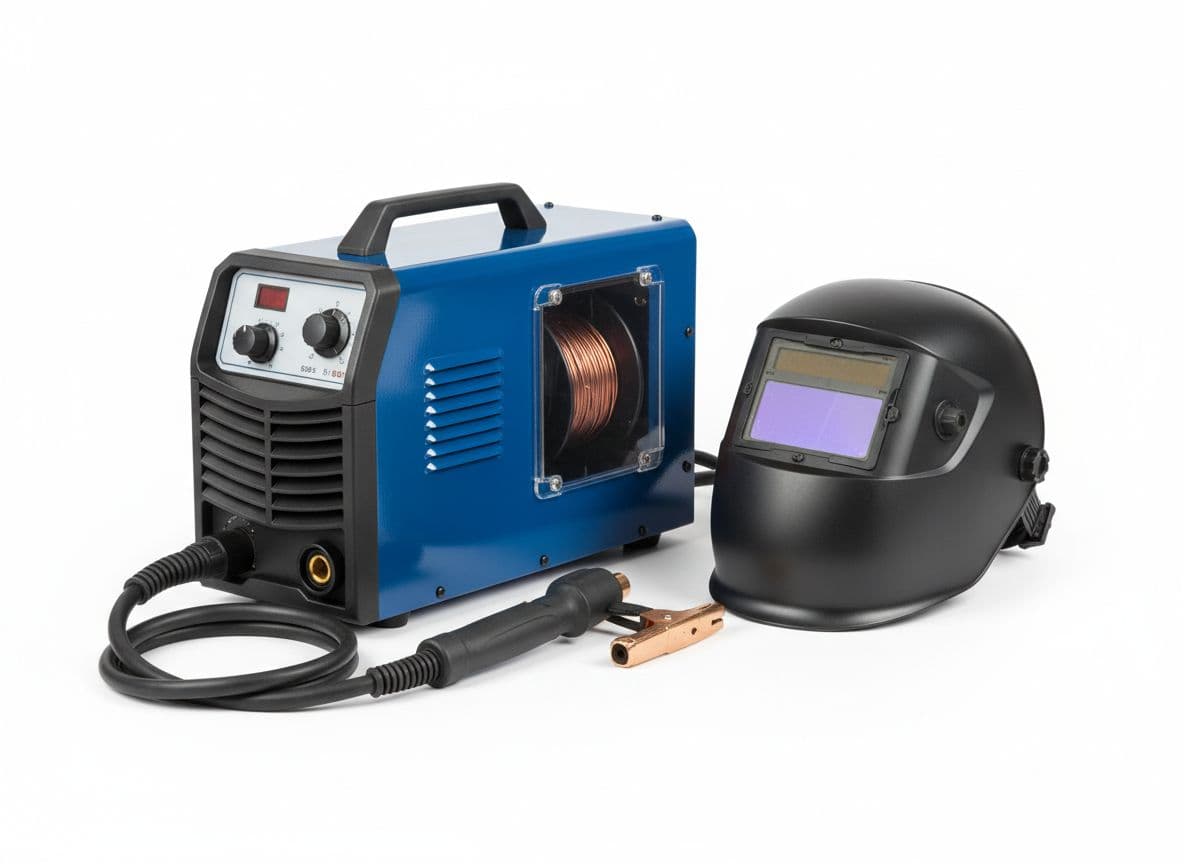
Quality welding equipment represents a significant investment. New machines range from $300 for basic hobby welders to $5,000+ for professional multi-process units. The used welder market is robust because industrial-grade welding equipment is built to last decades, and many hobbyists, small fabrication shops, and farmers rely on used equipment to access quality at reduced prices. Lincoln and Miller dominate the market with legendary reliability. A well-maintained Lincoln SA-200 pipeline welder from the 1970s can still sell for $3,000-$8,000. Brand reputation matters enormously: Lincoln, Miller, and ESAB command 30-50% premiums over lesser-known brands. The type of welder (MIG vs. TIG vs. stick) and its amperage rating determine the buyer pool, with higher-amperage professional units holding value best.
Key Factors That Affect Welders Value
Understanding what drives the price of welders helps you get the most accurate valuation.
Brand & Reputation
Lincoln Electric and Miller (ITW) are the gold standard. Their machines hold 40-60% of retail value even after years of use. ESAB, Hobart (owned by ITW), and Thermal Dynamics are strong second-tier brands. Import brands (Everlast, AHP, YesWelder) depreciate faster at 25-35% of retail. Harbor Freight welders (Titanium, Chicago Electric) have minimal resale value. The brand's service network and parts availability directly affect long-term value.
Type & Process
Multi-process welders (MIG/TIG/Stick) command the highest prices due to versatility. MIG welders are the most popular and have the broadest buyer market. TIG welders serve a specialized, knowledgeable market and hold value well. Stick (SMAW) welders are the simplest and most durable. Engine-driven welders (Lincoln Ranger, Miller Bobcat) hold exceptional value as portable power/welding combos. Plasma cutters and spot welders are separate specialty markets.
Amperage & Duty Cycle
Higher amperage machines (250A+) serve professional markets and hold value best. The duty cycle rating (percentage of time the machine can weld at rated output) separates hobby from professional machines. 60%+ duty cycle indicates commercial grade. Single-phase 120V/240V machines serve the widest buyer pool. Three-phase industrial machines are limited to shops with 3-phase power. Input voltage compatibility affects buyer convenience.
Condition & Functionality
A welder that strikes a clean arc and feeds wire smoothly is worth full market value regardless of cosmetic condition.common issues. Erratic wire feed, voltage fluctuations, damaged torches. Reduce value by 20-40%. Consumables condition (tips, nozzles, torch cables) affects perceived value but are cheap to replace. Internal components (contactors, circuit boards, transformers) are expensive to repair. A welder that has been stored properly holds more value than one left in a damp garage.
Accessories & Completeness
A complete setup sells for 20-30% more than a bare machine. MIG welders should include gun, gas hose, regulator, and ground clamp. TIG welders need the torch, foot pedal, gas lens kit, and filler rod. Gas cylinders have separate value and may need to be sold independently. Original carts or portability kits add value. Extra tips, nozzles, and wire spools sweeten the deal for buyers.
Tips for Valuing Welders
Get the most accurate valuation by following these tips when photographing your welders.
Photograph the welder's nameplate showing the brand, model, serial number, amperage, and voltage ratings
Show the overall condition including the control panel, wire feeder, and power cable
Include all accessories. Gun, torch, regulators, clamps, pedals, and any extras
If possible, demonstrate the welder running a bead to prove functionality. A short video builds buyer confidence
Welders Market Insights
The used welder market is steady year-round with slight increases in spring (fabrication season) and fall (farm repair season). Facebook Marketplace and Craigslist dominate local sales. Welders are heavy and expensive to ship, making local transactions preferred. eBay serves the national market for lighter machines and specialty units. Pawn shops buy welders but at 30-50% of market value. Industrial auction houses handle commercial and fleet equipment. The hobby welding community has grown dramatically. YouTube welding channels and maker spaces have created a new generation of buyers looking for affordable starter equipment. Lincoln SA-200 pipeline welders have a cult following with dedicated forums, and vintage units in good condition appreciate rather than depreciate.
Notable Welders Values
Real-world examples of what specific welders have sold for, so you can benchmark your own.
| Welder | Condition | Typical Value |
|---|---|---|
| Lincoln Electric Power MIG 210 MP | Used | $400 - $650 |
| Miller Multimatic 215 | Used | $500 - $750 |
| Hobart Handler 140 MIG Welder | Used | $200 - $350 |
| Lincoln Electric Square Wave TIG 200 | Used | $550 - $850 |
| Miller Dynasty 210 DX TIG | Used | $1,200 - $2,000 |
| Lincoln Electric Idealarc 250 Stick Welder | Used | $150 - $350 |
| Miller Syncrowave 350 LX TIG | Used | $1,500 - $3,000 |
| ESAB Rebel EMP 215ic Multi-Process | Used | $450 - $700 |
| Lincoln Electric Viking 3350 Welding Helmet (bundled) | Used | $50 - $150 |
Based on eBay sold listings, Facebook Marketplace, and Craigslist completed sales for used welding equipment.
Find Out What Your Welders Are Worth
Upload a photo now and get a free AI-powered valuation in seconds. No sign-up required.
Welders Valuation FAQ
How much is a used welder worth?
Entry-level MIG welders (Lincoln 140, Hobart 140): $150-$300 used. Mid-range MIG/multi-process (Lincoln 210, Miller 211): $400-$700. Professional MIG welders (Miller 252, Lincoln 256): $800-$1,500. TIG welders: $300-$2,000 depending on brand and amperage. Engine-driven welders: $1,500-$5,000+. Brand, amperage, and condition determine value within each range.
Are old welders still good?
Industrial-grade welders from Lincoln and Miller can last 30-50+ years with proper maintenance. Transformer-based machines are essentially bulletproof. Older stick welders are the most durable. Many 1960s-1980s Lincoln and Miller stick welders still work perfectly. Older MIG welders may need wire feed mechanism servicing. Inverter-based welders (post-2000) have more electronic components that can fail. A working vintage welder is worth the same as a working modern welder of similar capability.
Lincoln or Miller. Which holds value better?
Both brands hold value exceptionally well and are generally comparable in resale. Lincoln has a slight edge in the pipeline and stick welding markets. Miller is often preferred for TIG welding. Local market preference plays a role. Some regions favor one brand over the other. Both brands have excellent parts availability and service networks, which supports long-term value. Either brand is a safe buy on the used market.
Where is the best place to sell a welder?
Facebook Marketplace reaches the broadest local audience. Welders are heavy, so local sales avoid shipping hassles. Craigslist is effective in metro areas. Welding forums (WeldingWeb, Miller forum) connect you with knowledgeable buyers. eBay works for lighter, shippable machines. Industrial auction houses handle high-end commercial equipment. Price competitively and include all accessories for the fastest sale.
Should I sell my welder with a gas cylinder?
Gas cylinders are technically leased from gas suppliers, not owned. Verify whether you own or lease yours. Owned cylinders (check the stamping) can be sold with the welder and add $50-$150 in value. Leased cylinders should be returned to the supplier. Many buyers expect a cylinder with a MIG or TIG welder, so including one makes your listing more attractive. Never ship pressurized gas cylinders. Local sale only.
Value anything, anytime
Unlimited valuations, saved history and full reports in the free app.