Last updated: September 2026
How Much Is My Generator Worth?
Whether you have a Honda portable generator, a Generac whole-house standby, a commercial diesel unit, or any other generator, our AI analyzes the brand, wattage, fuel type, and condition to provide an accurate market valuation. From emergency backup units to construction site generators, get the right price before selling.
Get the free app for unlimited scans


Compare real prices
See what generators are listed for right now
Affiliate link: we earn a commission if you buy, at no extra cost to you.
What do you want to value?
Get the free app for unlimited scans
Why Knowing Your Generators Value Matters
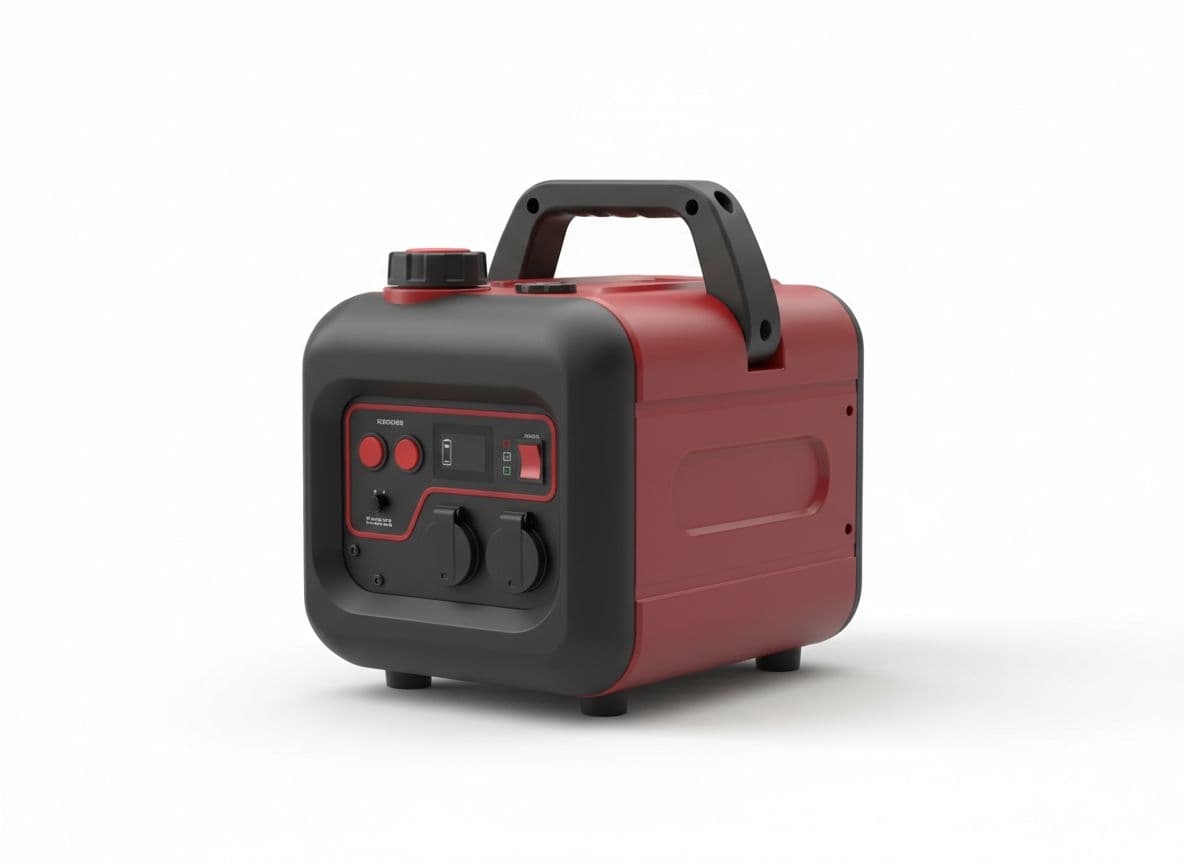
Generators are essential emergency and work equipment with strong demand, especially after severe weather events. A quality Honda EU2200i portable generator retails for $1,100+ new and holds 50-60% of its value used. Larger portable generators (5,000-10,000 watts) from brands like Honda, Yamaha, and Generac can be worth $500-$2,000+ used depending on hours and condition. Whole-house standby generators represent an even larger investment. A Generac Guardian installed system can cost $5,000-$15,000+ and retain meaningful value.commercial and industrial diesel generators are a separate market entirely, with values ranging from $5,000 to $100,000+. Many generators sit unused for years between storms and are sold when owners move, downsize, or decide they no longer need backup power. Understanding the current market value based on brand, wattage, run hours, and condition ensures you price correctly in a market where demand spikes dramatically after every hurricane, ice storm, or extended power outage.
Key Factors That Affect Generators Value
Understanding what drives the price of generators helps you get the most accurate valuation.
Brand & Model
Honda is the gold standard for portable generators and commands the highest resale values. The EU2200i inverter generator holds 50-60% of retail used. Yamaha inverter generators also hold value well. Generac dominates the standby generator market and holds value for both portable and whole-house units. Budget brands (Champion, Westinghouse, Predator) depreciate faster but still have a market.commercial brands (Caterpillar, Cummins, Kohler) serve the industrial segment.
Wattage & Type
Inverter generators (quiet, clean power for electronics) command premium prices over conventional open-frame generators of similar wattage. The 2,000-3,500 watt inverter segment is the most popular for recreational and backup use. Mid-range portable generators (5,000-8,000 watts) serve homeowners well. Large portable generators (10,000+ watts) serve construction and serious backup needs. Whole-house standby generators (10,000-22,000+ watts) are permanently installed and valued as home improvements.
Run Hours & Maintenance
Low run hours are a major value factor. Many backup generators have under 50 hours despite being years old. These command premium prices. Generators used for construction or daily work accumulate hours quickly and depreciate accordingly. Documented maintenance (oil changes, spark plug replacement, fuel system service) adds buyer confidence. A generator that has been properly stored with fuel stabilizer and periodic exercise runs is worth more than one that has sat neglected.
Fuel Type
Gasoline generators are the most common and have the broadest market. Dual-fuel (gasoline/propane) generators command a modest premium for their flexibility. Propane and natural gas generators are preferred for standby installations. Diesel generators are valued in commercial and heavy-duty applications for their fuel efficiency and durability. Solar generators and battery backup systems (EcoFlow, Jackery, Goal Zero) are a growing segment with strong resale.
Condition & Functionality
A generator that starts reliably and produces clean, stable power is worth significantly more than one with starting issues or unstable output. Fuel system condition (carburetor, fuel lines, tank) is the most common problem area in stored generators. Physical condition of the frame, outlets, control panel, and wheels affects value. Transfer switch compatibility and included accessories (covers, cords, wheel kits) add value.
Tips for Valuing Generators
Get the most accurate valuation by following these tips when photographing your generators.
Photograph the generator from the front and side showing the brand, control panel, outlets, and overall condition
Include a close-up of the model label showing wattage, fuel type, and serial number
Show the hour meter if equipped. Low hours are a significant selling point
If possible, photograph the generator running to demonstrate it starts and operates properly
Generators Market Insights
The generator market is uniquely driven by weather events and power grid reliability concerns. Demand and prices spike dramatically in the weeks following hurricanes, ice storms, and extended power outages, then settle during calm periods. This creates seasonal buying and selling opportunities. Facebook Marketplace and Craigslist are the primary platforms for portable generator sales. Whole-house standby generators are typically sold through electrical contractors or specialized dealers.commercial generators have dedicated marketplaces (Woodstock Power, Generator Source, Cat Used Equipment). Honda generators sell fastest due to brand reputation and hold value best. The solar generator and portable power station segment is growing rapidly, with EcoFlow and Jackery leading the residential market. If you are selling, listing before storm season (spring and early fall) captures buyers who are proactively preparing rather than panic-buying.
Notable Generators Values
Real-world examples of what specific generators have sold for, so you can benchmark your own.
| Generator | Condition | Typical Value |
|---|---|---|
| Honda EU2200i Portable Inverter Generator | Used | $400 - $700 |
| Champion 3500W Dual Fuel Generator | Used | $150 - $300 |
| Generac GP8000E Portable Generator | Used | $300 - $550 |
| Generac 22kW Standby Generator (Model 7043) | Installed/Used | $2,000 - $4,500 |
| Honda EU7000iS Portable Inverter Generator | Used | $1,500 - $2,800 |
| Westinghouse WGen7500 Portable Generator | Used | $250 - $450 |
| Kohler 20RESAL 20kW Standby Generator | Used | $1,800 - $4,000 |
| Briggs & Stratton Q6500 Quiet Power Series | Used | $300 - $600 |
| DuroMax XP12000EH Dual Fuel Generator | Used | $400 - $700 |
Based on eBay sold listings, Facebook Marketplace comps, and contractor resale data; prices vary by region and age.
Find Out What Your Generators Are Worth
Upload a photo now and get a free AI-powered valuation in seconds. No sign-up required.
Generators Valuation FAQ
How long do generators last?
Quality portable generators last 2,000-3,000+ hours with proper maintenance. Honda and Yamaha inverter generators are known for exceptional longevity. Whole-house standby generators (Generac, Kohler, Cummins) are rated for 10,000-30,000 hours. Most residential backup generators accumulate relatively few hours. A generator used only during outages might have under 100 hours after 10 years. Run hours matter more than age for determining remaining useful life.
Are Honda generators worth more than other brands?
Yes, Honda generators consistently command 20-40% more than comparable generators from other brands. A used Honda EU2200i sells for $600-$800, while a comparable Champion or Westinghouse inverter generator sells for $300-$500. Honda's premium reflects their reputation for reliability, quiet operation, fuel efficiency, and excellent parts and service availability. Yamaha also commands a brand premium, though smaller than Honda's.
Does a whole-house generator add home value?
A whole-house standby generator can add $3,000-$5,000+ to home value in areas with frequent power outages. In hurricane-prone, ice storm, or rural areas, a standby generator is a significant selling point. The added value depends on the generator's age, brand, condition, and local power reliability. A newer Generac or Kohler system in good condition adds meaningful value. An older system that needs maintenance may add less than its replacement cost.
Why won't my stored generator start?
The most common cause is stale fuel and a clogged carburetor. Gasoline degrades within 3-6 months without stabilizer, leaving varnish deposits that block fuel passages. Other causes include a dead battery (electric start models), fouled spark plug, or failed fuel pump. Carburetor cleaning ($50-$100 at a shop) fixes most starting issues. For generators stored long-term, draining fuel and adding stabilizer before storage prevents these problems.
When is the best time to sell a generator?
Prices are highest immediately before and during storm season. Late spring through fall in hurricane regions, and before winter in ice storm and blizzard regions. Prices spike dramatically during and after major weather events (sometimes 50-100% above normal). The lowest prices are during calm weather periods when supply exceeds demand. If you live in a storm-prone area, listing in early spring captures proactive buyers at good prices without appearing to price-gouge during emergencies.
Value anything, anytime
Unlimited valuations, saved history and full reports in the free app.