Last updated: September 2026
How Much Are My Tools Worth?
From vintage Stanley hand planes and antique blacksmith tools to premium woodworking machinery and precision machinist instruments, our AI identifies your tools by maker, type, age, and condition to provide accurate market valuations. Whether you inherited a workshop full of tools or are evaluating individual pieces, find out what they're worth today.
Get the free app for unlimited scans


Compare real prices
See what tools are listed for right now
Affiliate link: we earn a commission if you buy, at no extra cost to you.
What do you want to value?
Get the free app for unlimited scans
Why Knowing Your Tools Value Matters
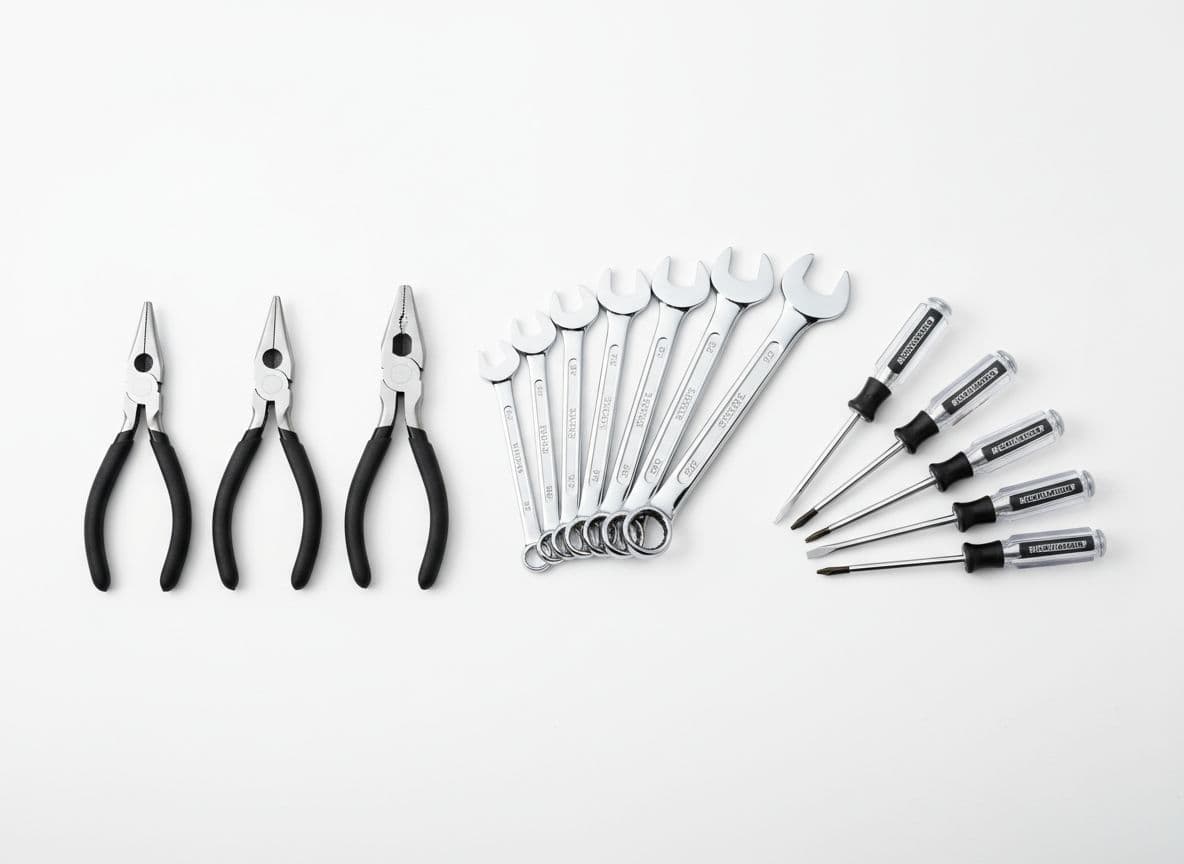
Tools are one of the most commonly overlooked categories of valuable items. A vintage Stanley No. 1 bench plane can sell for $2,000-$5,000, and complete sets of premium machinist tools regularly command $1,000-$10,000+. The market for quality vintage hand tools has grown dramatically as woodworkers discover that century-old tools often outperform modern equivalents. Even common tools from respected brands like Stanley, Starrett, Snap-on, and Lie-Nielsen hold strong resale values. Many people inherit workshops full of tools and sell them for pennies at estate sales, not realizing that individual pieces might be worth hundreds of dollars.
Key Factors That Affect Tools Value
Understanding what drives the price of tools helps you get the most accurate valuation.
Maker & Brand
Premium tool brands command strong values. For hand tools, Stanley (especially pre-WWII), Lie-Nielsen, Veritas, and Starrett are highly valued. For power tools, Festool, SawStop, and vintage Delta/Rockwell hold value. Professional-grade brands like Snap-on, Matco, and Mac Tools retain 50-70% of retail value used.
Type & Specialization
Certain tool types are more valuable than others. Bench planes, specialty planes (plow planes, combination planes, router planes), and precision measuring instruments are among the most collected hand tools. Vintage machinist tools (micrometers, dial indicators, surface gauges) from Starrett and Mitutoyo have strong markets.
Age & Rarity
Pre-1940 Stanley planes in original condition are the most collected hand tools. Patented tools with unique mechanisms, early American tools by noted makers, and tools with unusual features command premiums. Some rare Stanley planes (No. 1, No. 164, No. 196) are worth $1,000-$5,000+.
Condition & Usability
For collectible tools, original condition with minimal wear is preferred. Japanning (black paint) should be intact, irons sharp but not over-ground, and handles without cracks. For user-grade tools, functionality matters more than cosmetics. Rust, pitting, and broken parts reduce value for both collectors and users.
Completeness & Accessories
Tool sets and kits with all original components are worth far more than incomplete sets. For combination planes, having all cutters and accessories can double or triple value. Original boxes, cases, and documentation add 20-50% to the value of premium tools.
Tips for Valuing Tools
Get the most accurate valuation by following these tips when photographing your tools.
Photograph each tool clearly showing the maker's name and any model numbers
Include close-ups of any patent dates, stamps, or distinctive markings
Show the overall condition including any rust, damage, or wear
For sets, photograph the complete kit with all pieces visible
Tools Market Insights
The vintage tool market has grown steadily as the maker movement and hand-tool woodworking have gained popularity. Vintage Stanley bench planes are the backbone of the collecting hobby, with type studies and dating helping collectors identify the most desirable versions. The market for vintage power tools (especially stationary woodworking machines from Delta, Powermatic, and Oliver) remains strong among serious woodworkers who prefer the heavier construction of older American-made machines. Precision machinist tools from Starrett, Brown & Sharpe, and Mitutoyo maintain strong resale values. The professional automotive tool market (Snap-on, Matco) has consistent demand. Online platforms like eBay and specialized forums have created a transparent market for both common and rare tools.
Notable Tools Values
Real-world examples of what specific tools have sold for, so you can benchmark your own.
| Tool | Condition | Typical Value |
|---|---|---|
| Stanley No. 1 Bench Plane | Good - Fine | $800 - $2,500+ |
| Stanley No. 45 Combination Plane (pre-1910) | Complete, Used | $150 - $450 |
| Lie-Nielsen No. 4 Bronze Bench Plane | Used | $200 - $350 |
| Millers Falls No. 2 Egg Beater Hand Drill | Good, Working | $20 - $60 |
| Starrett No. 98 Machinists Level | Used | $40 - $120 |
| Disston D-8 Hand Saw (pre-1940, 26") | Good, Resharpenable | $40 - $150 |
| Vintage Snap-on Socket Set (1960s-70s) | Complete Set, Used | $150 - $600 |
| Record No. 044 Plough Plane | Complete, Used | $80 - $200 |
| DeWalt DW735 Thickness Planer | Used, Working | $250 - $400 |
Based on eBay sold listings, tool auction records, and collector price guides (WorthPoint, Patrick Leach's Blood and Gore).
Find Out What Your Tools Are Worth
Upload a photo now and get a free AI-powered valuation in seconds. No sign-up required.
Tools Valuation FAQ
Are old hand tools worth anything?
Many vintage hand tools are quite valuable, especially those from premium makers like Stanley, Disston, Starrett, and early American toolmakers. Pre-WWII Stanley planes can be worth $50-$5,000+ depending on the model and condition. Even common tools like quality handsaws, chisels, and marking gauges can be worth $20-$100 each. A workshop full of vintage tools could easily be worth $1,000-$10,000+.
What are the most valuable vintage tools?
The most sought-after include: Stanley No. 1 plane ($2,000-$5,000), Stanley No. 164 ($1,500-$3,000), Norris planes ($500-$10,000), early patented tools ($100-$5,000), and complete Stanley No. 45/55 combination planes with all cutters ($200-$800). Precision Starrett tools in original cases also command strong prices.
Should I clean or restore old tools before selling?
For collector-grade tools, do not clean or restore them - original condition with patina is preferred. Removing original japanning, polishing surfaces, or refinishing handles reduces collector value. For user-grade tools, light rust removal and sharpening can increase appeal. Never use power wire wheels or aggressive cleaning methods on valuable vintage tools.
Are Snap-on tools worth buying used?
Snap-on tools hold their value exceptionally well on the secondary market, typically retaining 50-70% of retail price. This makes them good investments but also means used prices are high. Vintage Snap-on tools from the 1940s-60s have additional collector appeal.complete Snap-on tool sets in original roll cabs can be worth $5,000-$30,000+ depending on the contents.
Value anything, anytime
Unlimited valuations, saved history and full reports in the free app.