Last updated: September 2026
How Much Is My Snow Blower Worth?
Whether you have a Honda, Ariens, Toro, Husqvarna, or any other snow blower brand, our AI analyzes the make, model, clearing width, and condition to provide an accurate market valuation. From compact single-stage units to heavy-duty two-stage machines, get the right price before selling.
Get the free app for unlimited scans


Compare real prices
See what snow blowers are listed for right now
Affiliate link: we earn a commission if you buy, at no extra cost to you.
What do you want to value?
Get the free app for unlimited scans
Why Knowing Your Snow Blowers Value Matters
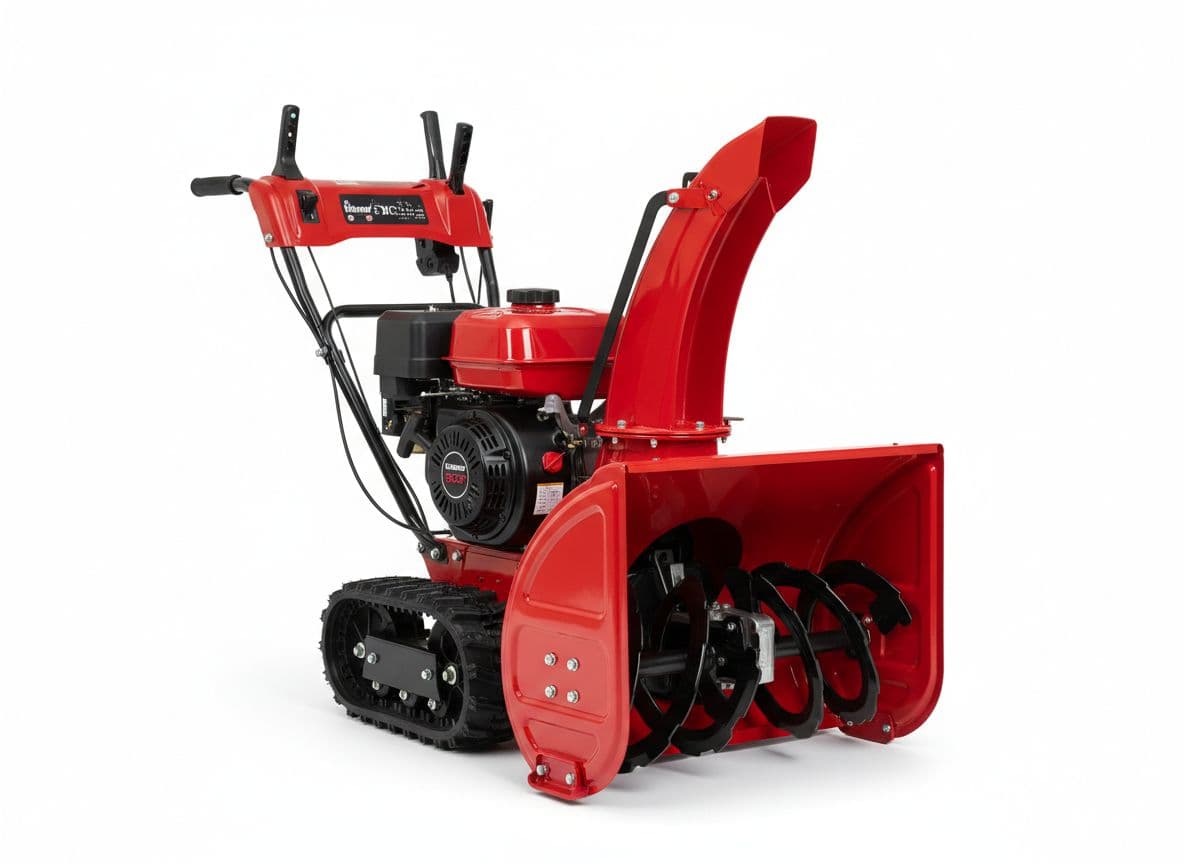
Snow blowers are essential winter equipment in northern climates, and quality machines hold their value surprisingly well. A premium two-stage snow blower from Honda, Ariens, or Toro that cost $1,000-$2,500 new can retain 40-60% of its value for years with proper maintenance. The used snow blower market is intensely seasonal. A machine worth $400 in July might sell for $600-$800 in November when the first forecast of heavy snow drives panic buying. Many people move to warmer climates, downsize properties, or inherit snow blowers without knowing their current market value. Honda snow blowers command the strongest resale premiums, similar to Honda's dominance in other power equipment categories. The key factors are brand, engine size, clearing width, and whether the machine starts reliably and throws snow properly. A well-maintained snow blower that fires up on the first pull in a buyer's driveway is worth significantly more than one sitting untested.
Key Factors That Affect Snow Blowers Value
Understanding what drives the price of snow blowers helps you get the most accurate valuation.
Brand & Model
Honda commands the highest resale values. A used Honda HSS928 can sell for $1,200-$1,800. Ariens is the next strongest brand, with Professional and Deluxe series holding value well. Toro Power Max series has strong resale. Husqvarna snow blowers hold moderate value. Budget brands (Craftsman, Troy-Bilt, Cub Cadet) depreciate faster but still have a market in snow country. Single-stage machines have lower absolute values but sell well for smaller properties.
Stage Type & Clearing Width
Two-stage snow blowers (with an auger and impeller) are the most valuable segment, handling heavy snow and wide driveways. Three-stage machines (Cub Cadet, Troy-Bilt) add an accelerator for faster snow processing. Single-stage machines are lighter and less expensive. Clearing widths range from 18 inches (single-stage) to 32+ inches (heavy-duty two-stage). Larger clearing widths command higher prices due to faster snow clearing.
Engine & Starting System
Larger engines (300cc+) handle wet, heavy snow better and command premiums. Electric start is nearly essential and adds $50-$100 in value over recoil-start-only models. Honda GX series engines are the most valued for their reliability and longevity. Briggs & Stratton and LCT engines are common and reliable. A snow blower that starts easily on the first or second pull is worth significantly more than one with starting issues.
Condition & Maintenance
Auger and impeller condition (no bent or worn paddles), housing condition (no rust-through), and drivetrain function (smooth speed engagement, functional reverse) are critical. Tire condition with good tread and proper inflation matters for traction. Skid shoes and scraper bar condition show maintenance attention. Shear pins, belts, and cables are maintenance items that should be functional. Oil changes and fuel system maintenance are expected.
Features & Accessories
Power steering or trigger-controlled turning is a significant convenience feature that adds value. Heated hand grips are desirable in extreme cold. Drift cutters and snow cab attachments add modest value. LED headlights, chute joystick controls, and auto-turn systems are valued on higher-end models. A fresh set of shear pins, extra belt, and fuel stabilizer included as accessories show maintenance-mindedness.
Tips for Valuing Snow Blowers
Get the most accurate valuation by following these tips when photographing your snow blowers.
Photograph the snow blower from the front and side showing the auger housing, chute, and overall condition
Include close-ups of the engine label showing brand, model, and displacement. Engine quality drives value
Show the control panel, speed selector, chute controls, and any electric start button or key switch
If possible, photograph or video the snow blower running and throwing snow. This is the strongest selling proof
Snow Blowers Market Insights
The used snow blower market is the most seasonally driven of any power equipment category. Prices are lowest from April through September when sellers are motivated and buyers are scarce. Prices spike October through January as snowfall forecasts drive demand. The best strategy for sellers is to list in October or at the first forecast of significant snow. Facebook Marketplace and Craigslist are the dominant platforms for snow blower sales. Buyers want local pickup and the ability to test the machine. Honda snow blowers sell fastest and for the most money due to exceptional brand reputation. The Ariens brand has strong loyalty in the upper Midwest and Northeast. Moving south is one of the most common reasons for selling, creating a steady supply of well-maintained machines from owners who no longer need them. If you are selling, demonstrate the machine running and throwing snow if possible. A video of the snow blower in action is the most convincing sales tool.
Notable Snow Blowers Values
Real-world examples of what specific snow blowers have sold for, so you can benchmark your own.
| Snow Blower | Condition | Typical Value |
|---|---|---|
| Honda HSS928AAT Two-Stage Snow Blower | Used - Good | $800 - $1,400 |
| Toro Power Max HD 928 OAE Two-Stage | Used - Good | $600 - $1,100 |
| Ariens Platinum 30 SHO Two-Stage | Used - Good | $700 - $1,300 |
| Husqvarna ST224 Two-Stage Snow Blower | Used - Fair | $350 - $650 |
| Cub Cadet 3X 30 Three-Stage Snow Blower | Used - Good | $900 - $1,600 |
| Ego Power+ SNT2112 Single-Stage Electric | Used - Good | $300 - $550 |
| Toro 721 E Single-Stage Snow Blower | Used - Fair | $100 - $250 |
| Ariens Deluxe 28 SHO Two-Stage | Sealed / New Old Stock | $1,200 - $1,800 |
| Simplicity Signature Pro 1130 Three-Stage | Used - Good | $1,000 - $1,900 |
Based on eBay sold listings, Craigslist market surveys, and retailer used-equipment pricing guides.
Find Out What Your Snow Blowers Are Worth
Upload a photo now and get a free AI-powered valuation in seconds. No sign-up required.
Snow Blowers Valuation FAQ
When is the best time to buy or sell a snow blower?
Sell in October through December for maximum price. Buyer urgency peaks with the first snowfall forecast. Buy in April through August for the best deals. Sellers are motivated to clear garage space before summer. The price difference between peak and off-season can be 25-40% for the same machine. If you are moving south and selling in summer, price aggressively to attract deal-seeking buyers.
How long do snow blowers last?
Quality two-stage snow blowers from Honda, Ariens, and Toro last 15-25+ years with proper maintenance. Most residential users operate their snow blowers 10-30 hours per winter, so even a 15-year-old machine may have under 300 hours. Engine longevity exceeds housing and drivetrain wear in most cases.common failure points are belts, shear pins, and carburetor issues from stale fuel. All repairable. Regular oil changes and fuel stabilizer are the two most important maintenance tasks.
Are Honda snow blowers worth the premium?
For most buyers, yes. Honda snow blowers command 30-50% premiums over comparable machines, but they deliver exceptional reliability, easy starting, quiet operation, and excellent resale value. The Honda hydrostatic transmission is smoother than friction disc drives. Honda's track-drive models are the gold standard for hilly properties. The resale premium means you lose less money over the ownership period even though you pay more initially.
What size snow blower do I need?
For single-car driveways and small areas, a 22-24 inch single-stage is sufficient. For two-car driveways in moderate snow regions, a 24-26 inch two-stage is ideal. For large driveways or areas with 12+ inch snowfalls, a 28-32 inch two-stage provides the fastest clearing. Track drive models are best for steep or hilly driveways. Match the machine to your needs. A too-small machine is frustrating, but an oversized one is heavier and harder to maneuver.
Why won't my snow blower start after sitting all summer?
The most common cause is stale fuel and a varnished carburetor. Gasoline degrades in 3-6 months without stabilizer, leaving deposits that clog the carburetor jets. Try fresh fuel first. If that does not work, the carburetor likely needs cleaning or a rebuild kit ($10-$20 DIY, $50-$100 at a shop). Other causes include a fouled spark plug, dead battery (electric start), or stuck choke. Prevention: run the machine dry or add fuel stabilizer before summer storage.
Value anything, anytime
Unlimited valuations, saved history and full reports in the free app.