Last updated: September 2026
How Much Is My Riding Mower Worth?
Whether you have a John Deere lawn tractor, a Husqvarna zero-turn, a Toro TimeCutter, or a commercial Exmark, our AI analyzes the brand, model, deck size, engine hours, and condition to provide an accurate market valuation. Get a fair price before selling, trading in, or upgrading your mowing equipment.
Get the free app for unlimited scans


Compare real prices
See what riding mowers are listed for right now
Affiliate link: we earn a commission if you buy, at no extra cost to you.
What do you want to value?
Get the free app for unlimited scans
Why Knowing Your Riding Mowers Value Matters
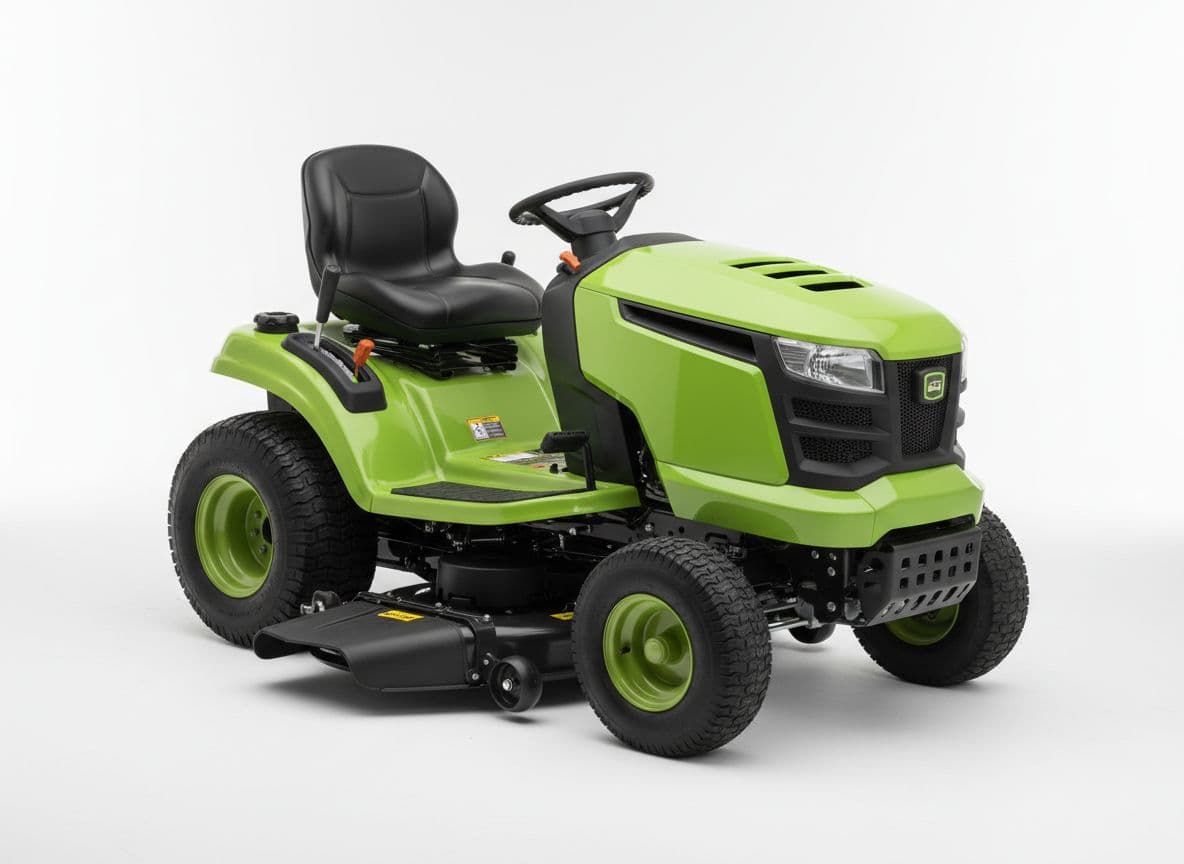
Riding mowers and lawn tractors represent a significant investment. New residential zero-turns cost $3,000-$8,000 and commercial mowers can exceed $15,000. These machines hold value well, especially premium brands, but many sellers either overprice or underprice them due to lack of market knowledge. A 5-year-old John Deere X350 in good condition might still be worth $1,500-$2,000, while a cheap big-box store brand of similar age might only fetch $300-$500. The used riding mower market is highly seasonal, with prices peaking in spring and early summer. Engine hours, blade and deck condition, and overall maintenance history significantly affect value, but sellers rarely account for these factors accurately. Whether you are upgrading to a zero-turn, downsizing your property, or selling a deceased relative's equipment, knowing the current market value of your riding mower prevents you from leaving money on the table.
Key Factors That Affect Riding Mowers Value
Understanding what drives the price of riding mowers helps you get the most accurate valuation.
Brand & Model
John Deere, Husqvarna, Toro, and Kubota residential models hold value best.commercial brands. Exmark, Scag, Ferris, and Wright.command premium prices in the professional market. Big-box brands (Craftsman, Troy-Bilt, Poulan) depreciate faster and are worth less. Within brands, higher-tier models with better engines, stronger transmissions, and fabricated decks retain more value than entry-level models.
Type & Deck Size
Zero-turn mowers are more desirable and valuable than traditional lawn tractors in most markets. Larger deck sizes (54-60+ inches) command higher prices. Fabricated steel decks are worth more than stamped decks.commercial-grade zero-turns with stand-on or sit-down configurations have strong resale to landscaping businesses. Garden tractors with PTO and attachment capability are worth more than basic lawn tractors.
Engine Hours & Age
Engine hours are the best indicator of remaining life. Residential mowers under 200 hours are considered low-use, while commercial mowers may run 1,000-2,000+ hours per season. A 3-year-old mower with 100 hours is worth significantly more than the same model with 500 hours. Most residential mowers have a lifespan of 500-1,000+ hours with proper maintenance. Age matters mainly for parts availability and model relevance.
Condition & Maintenance
Engine condition (starts easily, runs smoothly, no smoke), transmission function (smooth engagement, no slipping), deck condition (level, no cracks or heavy rust), and blade condition all affect value. A mower with fresh oil, new blades, clean air filter, and a recently serviced hydrostatic transmission is worth 20-30% more. Flat tires, dead batteries, seized engines, and damaged decks significantly reduce value.
Attachments & Accessories
Baggers, mulch kits, snow blades, aerators, dump carts, and other attachments add value. A John Deere lawn tractor with a 44-inch snow blade and tire chains is worth $300-$500 more than a bare mower. Striping kits, LED lights, and seat upgrades add modest value. Original manuals, spare blades, and maintenance supplies sweeten the deal for buyers.
Tips for Valuing Riding Mowers
Get the most accurate valuation by following these tips when photographing your riding mowers.
Photograph the mower from the front, side, and rear showing overall condition, deck, and tire condition
Include a close-up of the hour meter (if equipped), engine model label, and any manufacturer identification plates
Show the mower deck from underneath if possible. Deck condition and blade quality are key value factors
Clean the mower thoroughly before photographing. A clean machine photographs better and suggests good maintenance
Riding Mowers Market Insights
The used riding mower market follows strong seasonal patterns. Prices are highest from March through June and lowest from October through January. This creates an opportunity for sellers who list in spring and buyers who shop in fall. The zero-turn mower segment continues to grow as homeowners upgrade from traditional lawn tractors for faster mowing.commercial mower demand remains strong due to the growing landscaping industry. Supply chain disruptions and price increases on new equipment have pushed used mower values higher across all segments. John Deere continues to command the strongest brand premium in the residential market, while Exmark and Scag lead commercial resale values. Facebook Marketplace and Craigslist are the dominant platforms for local mower sales, though eBay works for smaller, shippable machines. If you are selling, timing your listing for early spring maximizes your return.
Notable Riding Mowers Values
Real-world examples of what specific riding mowers have sold for, so you can benchmark your own.
| Riding Mower | Condition | Typical Value |
|---|---|---|
| John Deere X350 42-in Lawn Tractor | Used, Good | $1,800 - $2,800 |
| Husqvarna YTH18542 18.5 HP Tractor | Used, Fair | $600 - $1,100 |
| John Deere Z345R 42-in Zero-Turn | Used, Good | $2,200 - $3,200 |
| Cub Cadet XT1 Enduro LT 46-in | Used, Good | $800 - $1,400 |
| Ariens IKON XD 52-in Zero-Turn | Used, Good | $1,500 - $2,500 |
| John Deere X758 Signature Series (diesel) | Used, Good | $5,000 - $8,500 |
| Husqvarna MZ61 Zero-Turn (27 HP) | Used, Fair | $1,200 - $2,000 |
| Troy-Bilt Pony 42X Riding Mower | Used, Fair-Poor | $250 - $600 |
| Scag Patriot 52-in Zero-Turn | Used, Good | $3,500 - $5,500 |
Based on eBay sold listings, Facebook Marketplace comps, and dealer trade-in data for used riding mowers.
Find Out What Your Riding Mowers Are Worth
Upload a photo now and get a free AI-powered valuation in seconds. No sign-up required.
Riding Mowers Valuation FAQ
How long do riding mowers last?
A quality residential riding mower with proper maintenance lasts 8-15+ years or 500-1,000+ engine hours.commercial zero-turns are built for 2,000-4,000+ hours. Kohler and Kawasaki engines are considered the most durable. John Deere and Husqvarna models are known for longevity. Regular oil changes, air filter replacement, blade sharpening, and deck cleaning are the most important maintenance tasks for extending life.
Is a zero-turn mower worth more than a lawn tractor?
Yes, zero-turn mowers generally hold value better and sell for more than comparably aged lawn tractors. They mow faster, maneuver better, and are preferred by both homeowners and professionals. A 5-year-old residential zero-turn in good condition typically sells for 50-65% of its original price, while a lawn tractor of the same age might bring 35-50%. However, lawn tractors with attachment capabilities have their own market niche.
What is the best time of year to sell a riding mower?
Spring (March through May) is the best time to sell, as homeowners prepare for mowing season. Prices can be 15-25% higher in spring compared to fall or winter. Early spring, before the first mowing, is the sweet spot. Buyers are motivated and inventory is lower. If you are buying, fall and winter offer the best deals as sellers want to clear equipment before winter storage.
Should I repair my mower before selling?
Minor repairs and maintenance almost always pay for themselves. Replacing a $20 battery, installing fresh $15 blades, changing oil, and cleaning the deck can add $100-$300 to the sale price. However, major repairs like engine overhauls ($500+) or hydrostatic transmission replacement ($800+) may not provide a positive return. For expensive repairs, it may be better to sell as-is at a lower price to a buyer who can do their own work.
Where is the best place to sell a riding mower?
Facebook Marketplace is currently the most active platform for used riding mowers, offering free local listings with a large buyer pool. Craigslist remains popular in many areas. For commercial equipment, dealer trade-ins and equipment auctions work well. eBay is effective for smaller or specialty mowers that can be shipped. Local hardware stores and mower dealers sometimes offer consignment programs. Always include detailed photos and specifications in your listing.
Value anything, anytime
Unlimited valuations, saved history and full reports in the free app.