Last updated: September 2026
How Much Is My Chainsaw Worth?
Whether you have a professional Stihl, a Husqvarna rancher saw, a vintage McCulloch, or any other chainsaw, our AI analyzes the brand, model, bar length, and condition to provide an accurate market valuation. From estate saws to professional arborist equipment, get the right price before selling.
Get the free app for unlimited scans


Compare real prices
See what chainsaws are listed for right now
Affiliate link: we earn a commission if you buy, at no extra cost to you.
What do you want to value?
Get the free app for unlimited scans
Why Knowing Your Chainsaws Value Matters
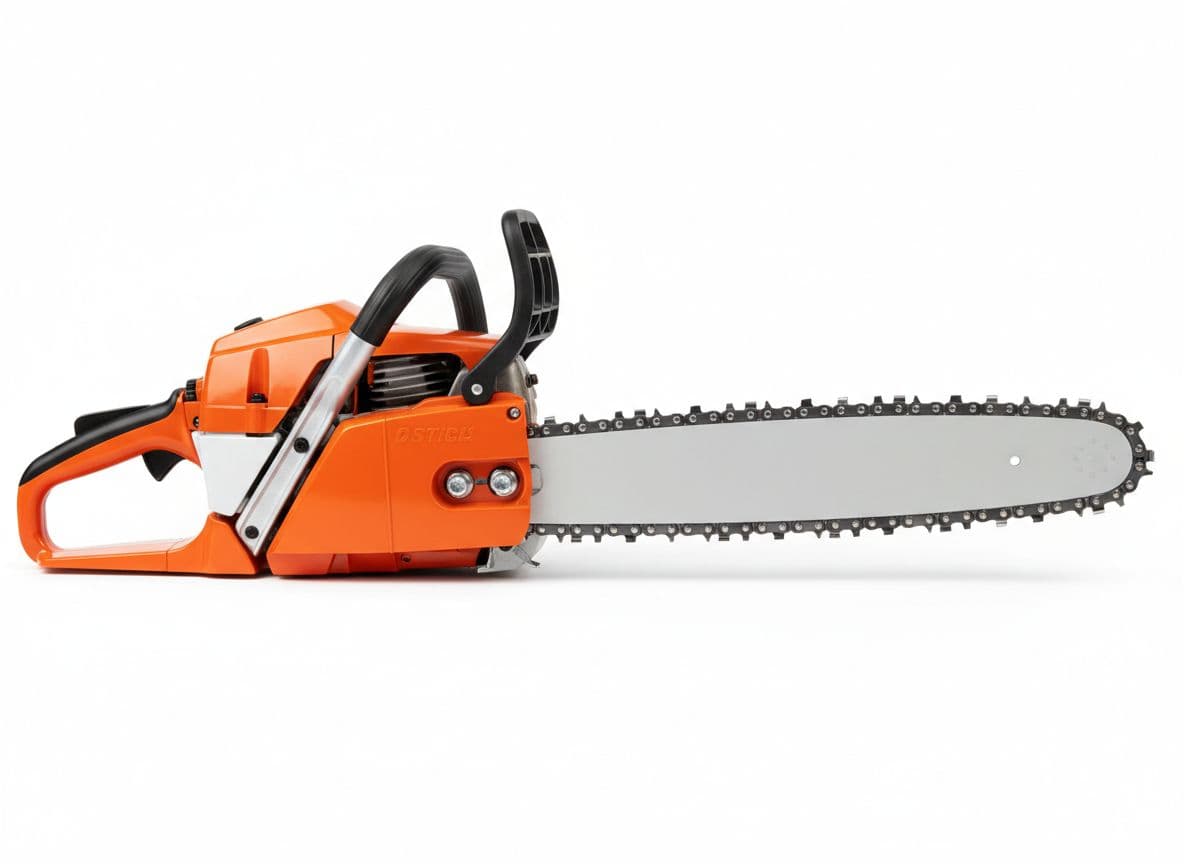
Chainsaws are one of the most commonly inherited outdoor power tools, and their value varies enormously by brand and condition. A professional Stihl MS 461 or Husqvarna 572 XP can be worth $500-$800+ used, while a consumer-grade Poulan or budget saw might only fetch $30-$75. The used chainsaw market is driven by the high cost of new professional saws. A new Stihl MS 500i costs over $1,500, making well-maintained used pro saws very desirable. Vintage chainsaws from the 1950s-1970s have developed a passionate collector market, with rare models from McCulloch, Homelite, and early Stihl selling for $200-$1,000+. The key value factors are brand reputation, chain and bar condition, engine compression, and overall maintenance. Many people inherit chainsaws and either sell them for nothing at garage sales or assume they are worth more than market because they remember the original purchase price. Accurate valuation helps both scenarios.
Key Factors That Affect Chainsaws Value
Understanding what drives the price of chainsaws helps you get the most accurate valuation.
Brand & Model
Stihl and Husqvarna dominate both new and used markets and hold value best. Professional-grade models (Stihl MS 261, 362, 461, 500i; Husqvarna 550 XP, 572 XP) retain 40-60% of retail value. Consumer models from these brands hold moderate value. Budget brands (Poulan, Echo consumer, Craftsman) depreciate rapidly. Vintage collectible brands (McCulloch, Homelite, Pioneer, early Stihl) have a separate collector market.
Condition & Running Status
A chainsaw that starts easily, runs smoothly, and idles properly is worth 2-3x more than a non-running unit. Engine compression, cylinder condition, and fuel system health are critical. Bar condition (straight, good rails, nose sprocket functional) and chain sharpness affect perceived value. Clean air filters, good spark plugs, and evidence of regular maintenance add buyer confidence.
Bar Length & Power Class
Professional saws with 20-36 inch bars command the highest prices. Mid-range saws (16-20 inch bars, 40-60cc engines) have the broadest market. Small saws (12-16 inch bars) have lower absolute values but sell quickly to homeowners. The engine displacement (cc) matters more than bar length for determining a saw's quality tier and value.
Age & Parts Availability
Newer saws (under 5 years) with current parts availability hold value best. Professional saws from the 2000s-2010s still have strong value if well-maintained. Very old saws (1990s and earlier) have declining value unless they are collectible models. Parts availability for discontinued models directly affects practical value. A saw you cannot get parts for is worth less regardless of condition.
Accessories & Completeness
Original case, spare chains, bar cover, tools, and manuals add value. A second bar and chain set adds $30-$50 in value. Saws with recent professional sharpening and new chain command slight premiums. Safety equipment (chaps, helmet) sold together as a package adds appeal for new buyers entering chainsaw ownership.
Tips for Valuing Chainsaws
Get the most accurate valuation by following these tips when photographing your chainsaws.
Photograph the full chainsaw from the side showing the bar, chain, body, and handle condition
Include close-ups of the model label, serial number, and any specifications stamped on the saw
Show the bar and chain condition. A sharp chain and straight bar indicate good maintenance
If the saw runs, a short video demonstrating startup and idle is worth more than photos for serious buyers
Chainsaws Market Insights
The used chainsaw market is active on Facebook Marketplace, Craigslist, and dedicated forums like Arborist Site. Stihl's authorized dealer network. Which does not sell online. Creates a used market where buyers seek deals below dealer pricing. Husqvarna's broad availability makes their used saws easy to price against new retail. The vintage chainsaw collecting community has grown significantly, with dedicated swap meets, YouTube channels, and online groups. Vintage McCulloch Super 250 and Homelite Super XL models are among the most sought-after collector saws. Professional arborist saws in good condition sell quickly as working professionals know the value and are comfortable buying used. The market for consumer-grade saws is softer since new budget options are inexpensive. Estate sales frequently include chainsaws that are undervalued. A running Stihl pro saw found at a garage sale for $50 might be worth $400+.
Notable Chainsaws Values
Real-world examples of what specific chainsaws have sold for, so you can benchmark your own.
| Chainsaw | Condition | Typical Value |
|---|---|---|
| Stihl MS 461 (Professional Logging Saw) | Used - Good | $400 - $700 |
| Husqvarna 372 XP (X-Torq) | Used - Good | $350 - $650 |
| Stihl 070 / 090 (Vintage Large Displacement) | Restored | $300 - $800 |
| Husqvarna 61 (Late 1970s-1980s) | Running - Fair | $150 - $400 |
| Stihl MS 271 Farm Boss (18") | Used - Good | $200 - $350 |
| Echo CS-590 Timber Wolf | Used - Good | $150 - $280 |
| Stihl 041 Farm Boss (Vintage) | Running - Fair | $100 - $300 |
| Poulan 306A / 245A (Vintage Consumer) | Running - Fair | $30 - $120 |
| Stihl MS 880 Magnum (Pro Heavy-Duty) | Used - Good | $900 - $1,600 |
Based on eBay sold listings, equipment dealer inventories, and collector forum price discussions.
Find Out What Your Chainsaws Are Worth
Upload a photo now and get a free AI-powered valuation in seconds. No sign-up required.
Chainsaws Valuation FAQ
Are Stihl chainsaws worth more than other brands?
Yes, Stihl chainsaws consistently command the highest resale values in the used market. A used Stihl typically sells for 20-30% more than a comparable Husqvarna model and significantly more than consumer brands. This premium reflects Stihl's reputation for durability, their authorized-dealer-only sales model (creating scarcity of deals), and strong parts and service availability.
How do I tell if a used chainsaw is worth buying?
Check compression by pulling the starter cord. It should have strong resistance. Look for scoring on the cylinder and piston (visible through the exhaust port). Verify it starts and idles without dying. Check the bar for straightness and groove wear. Inspect the chain brake function. A clean air filter and good spark plug suggest regular maintenance. Avoid saws with cracked cases, damaged sprockets, or heavy fuel system varnishing.
Are vintage chainsaws worth collecting?
Certain vintage chainsaws have strong collector value. McCulloch Super 250 and 797, Homelite Super XL, early Stihl 070 and 090 models, and Pioneer/IEL saws from the 1950s-1970s are the most collectible. Restored examples can sell for $200-$1,000+. The vintage chainsaw community is growing, with YouTube restoration channels driving interest. Condition, completeness, and rarity determine whether a vintage saw has collector premium or just scrap value.
Where is the best place to sell a chainsaw?
Facebook Marketplace is the most active platform for local chainsaw sales. Arborist Site forums have active classifieds for professional saws. Craigslist works well in rural and suburban areas. eBay is effective for vintage and collectible saws that can be shipped. Local small engine repair shops sometimes buy or consign quality saws. Always specify the brand, model, bar length, and running condition in your listing.
Should I service a chainsaw before selling?
Basic maintenance pays for itself. A fresh chain sharpening ($5-$10), new spark plug ($3-$5), clean air filter, and fresh fuel mix make the saw presentable and demonstrate it runs properly. A running, clean saw sells for 50-100% more than a non-running, dirty one. However, expensive repairs like cylinder replacement or crankshaft work may not provide a positive return on a consumer-grade saw.
Value anything, anytime
Unlimited valuations, saved history and full reports in the free app.