Last updated: September 2026
How Much Are My Vintage Electronics Worth?
Vintage electronics have become one of the fastest-growing categories in the collectibles market, driven by millennial and Gen Z nostalgia for pre-smartphone technology. Our AI analyzes your device's brand, model, generation, condition, and completeness to deliver an accurate market valuation. Whether you've unearthed a first-generation iPod from a drawer, inherited a box of classic Game Boys, or found a mint-condition Sony Walkman at a garage sale, understanding the true collector value of retro tech is essential before you sell, insure, or donate it.
Get the free app for unlimited scans


Compare real prices
See what vintage electronics are listed for right now
Affiliate link: we earn a commission if you buy, at no extra cost to you.
What do you want to value?
Get the free app for unlimited scans
Why Knowing Your Vintage Electronics Value Matters
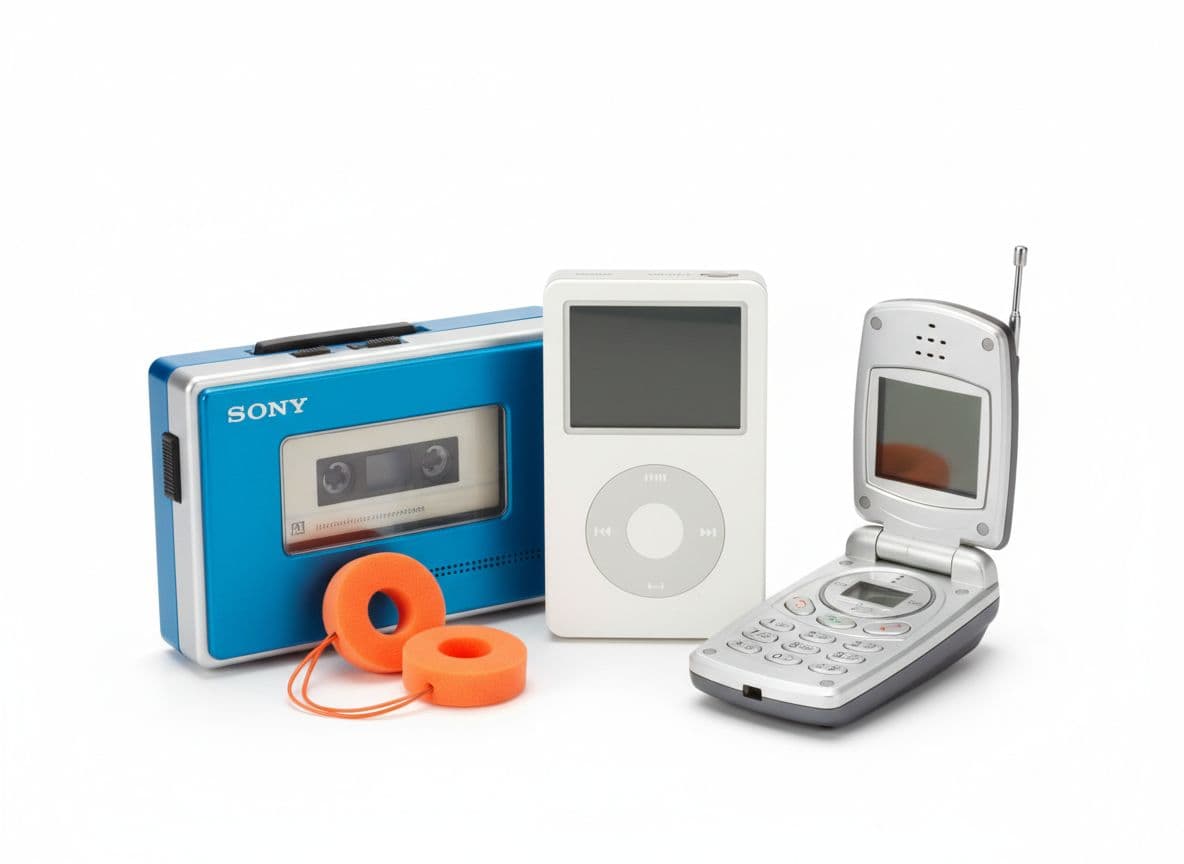
The market for vintage electronics has exploded in recent years, with certain items appreciating dramatically. A sealed first-generation iPod (2001) has sold for over $29,000 at auction, while a working Sony TPS-L2 Walkman (the original 1979 model) routinely fetches $500–$1,500. Even common devices carry surprising value: original Motorola RAZR V3 flip phones in good condition sell for $50–$200, and a boxed Nintendo Game Boy can command $300–$800. Many people unknowingly discard or give away electronics worth hundreds or thousands of dollars. Professional appraisals for vintage tech are rare and expensive ($75–$200), and pawn shops and electronics recyclers dramatically undervalue these items. Condition is king. A sealed-in-box device can be worth 5–20x more than a loose, scratched unit. Our free estimator helps you identify whether your old gadgets are e-waste or genuine collector treasures, so you can make informed decisions about selling, keeping, or insuring them.
Key Factors That Affect Vintage Electronics Value
Understanding what drives the price of vintage electronics helps you get the most accurate valuation.
Brand & Model
The manufacturer and specific model are the primary value drivers.apple products (original iPod, Newton MessagePad, Macintosh 128K) command the highest premiums due to brand cachet and collector demand. Sony Walkmans, especially the TPS-L2 and WM-D6C Professional, are highly sought after. Motorola, Nokia, and BlackBerry phones from the 2000s have a growing nostalgia market. Obscure or limited-production models. Such as the Apple Pippin console or the Nokia N-Gage. Often carry niche premiums of $200–$2,000+.
Condition & Functionality
Working devices are worth 2–5x more than non-functional ones. For vintage electronics, screen condition, button responsiveness, battery life, and cosmetic wear all matter. Mint-condition items with no scratches or yellowing command top dollar. Devices with original batteries that still hold a charge are especially prized, though many collectors accept aftermarket battery replacements.
Completeness & Packaging
Original packaging, manuals, cables, earbuds, and accessories can multiply a device's value by 3–10x. A loose iPod Classic might sell for $80–$200, but the same model sealed in its original box with all accessories can fetch $1,000–$5,000+. Even the original receipt or Apple Store bag adds perceived provenance and value to serious collectors.
Generation & Rarity
First-generation devices are almost always the most valuable in any product line. The 1st-gen iPod, 1st-gen iPhone, original Game Boy (DMG-01), and first Sony Walkman all command massive premiums. Limited editions, special colorways (e.g., the Product RED iPod), and region-exclusive models can be worth 2–5x more than standard versions.
Cultural & Historical Significance
Devices tied to major cultural moments or technological breakthroughs carry additional value. The Motorola DynaTAC 8000X (first commercial cell phone) can sell for $1,000–$4,500. The Palm Pilot, BlackBerry Pearl, and Nokia 3310 represent pivotal moments in mobile computing. Devices featured in movies, TV shows, or music videos also attract collectors willing to pay premiums.
Tips for Valuing Vintage Electronics
Get the most accurate valuation by following these tips when photographing your vintage electronics.
Photograph the device from multiple angles, including any serial numbers, model numbers, and engravings on the back or bottom of the unit
Include all original accessories, packaging, and documentation in your photo. These can dramatically increase the estimated value
Note whether the device powers on and functions properly, as working units are worth significantly more than dead ones
Do not attempt to clean vintage electronics with harsh chemicals. A soft microfiber cloth is safest, and patina can actually add value for certain items
Vintage Electronics Market Insights
The vintage electronics market is experiencing a nostalgia-driven boom, with prices for key items increasing 15–30% annually over the past five years. Online platforms like eBay, Mercari, and specialized forums (r/VintageApple, Walkman forums) have created a global marketplace that connects sellers with passionate collectors. The 'Y2K aesthetic' trend on social media has driven younger buyers to seek out flip phones, early digital cameras, and MP3 players as fashion accessories and functional alternatives to smartphones. Japanese vintage electronics (Sony, Sharp, Panasonic) have a particularly strong international collector base. Sealed and new-old-stock items have become investment-grade collectibles, with auction houses like Heritage Auctions now including vintage tech in their sales. The market is maturing. Five years ago, most vintage electronics sold at garage-sale prices; today, informed sellers routinely achieve collector-level prices for desirable items.
Notable Vintage Electronics Values
Real-world examples of what specific vintage electronics have sold for, so you can benchmark your own.
| Vintage Electronic | Condition | Typical Value |
|---|---|---|
| Apple iPod Classic (1st Gen, 5GB) | Working, Good | $150 - $400 |
| Sony Walkman TPS-L2 (1979 original) | Working, Good | $400 - $1,200 |
| Nintendo Game Boy (DMG-01, 1989) | Boxed, Near Mint | $200 - $600 |
| Motorola Razr V3 (original, 2004) | Used, Working | $30 - $120 |
| Apple iPod Mini (1st Gen, Pink or Blue) | Working | $50 - $150 |
| Nokia 3310 (original, 2000) | Used, Working | $20 - $80 |
| Sony Discman D-50 (1984 original) | Working, Good | $150 - $450 |
| Palm Pilot 1000 (1996) | Working | $30 - $100 |
| Apple Newton MessagePad 2100 (1997) | Working, Good | $200 - $600 |
Based on eBay sold listings, auction records, and collector forum price references across recent sales.
Find Out What Your Vintage Electronics Are Worth
Upload a photo now and get a free AI-powered valuation in seconds. No sign-up required.
Vintage Electronics Valuation FAQ
Are old iPods actually worth money?
Yes, many old iPods are worth significant money to collectors. The most valuable is the 1st-generation iPod (2001, scroll wheel with mechanical movement) which sells for $200–$1,000 used and $5,000–$29,000+ sealed. iPod Classics (especially the later 160GB models) sell for $150–$400 due to audiophile demand for their Wolfson DAC chips. Even iPod Nanos and Shuffles in good condition fetch $30–$100. Special editions like the U2 iPod or Product RED versions command 2–3x premiums. The key factors are generation, storage capacity, condition, and completeness of packaging.
What vintage electronics are most valuable right now?
The most valuable vintage electronics include: sealed 1st-gen Apple products (iPod, iPhone, Macintosh. $5,000–$100,000+), original Sony Walkman TPS-L2 ($500–$3,000), Motorola DynaTAC 8000X ($1,000–$4,500), Nintendo Game Boy in box ($300–$800), early PDA devices like the Apple Newton ($200–$800), and vintage calculators like the HP-65 ($500–$2,000). The market also values working CRT televisions ($100–$500 for desirable models), vintage boomboxes ($200–$2,000), and early digital cameras. Anything sealed in original packaging from a major brand commands extreme premiums.
Should I try to repair vintage electronics before selling?
It depends on the device and its value. For common items worth under $100, basic cleaning and ensuring functionality is worthwhile. A working device sells for 2–5x more than a broken one. However, for rare or high-value items, avoid modifications that alter originality. Replacing a battery is generally acceptable, but re-capping a motherboard or replacing screens can decrease value if done poorly. For devices worth $500+, consider consulting a specialist restorer. Never repaint, refinish, or modify the exterior of vintage electronics, as collectors strongly prefer original cosmetic condition, even with wear.
How do I find the model and year of my vintage device?
Most vintage electronics have model numbers printed or engraved on the back, bottom, or inside the battery compartment. For Apple products, the model number (e.g., A1040 for the 1st-gen iPod) is engraved on the back and can be cross-referenced online. Sony Walkmans have model numbers on the back panel (e.g., WM-D6C). For phones, the model number is usually under the battery or in the settings menu if the device powers on. Serial numbers can also help date production.apple serial numbers encode the manufacturing week and year. Online databases like EveryMac, iFixit, and Walkman Central provide comprehensive model identification guides.
Value anything, anytime
Unlimited valuations, saved history and full reports in the free app.