Last updated: September 2026
How Much Is Your Samsung Phone Worth?
Whether you have a Samsung Galaxy S series, Galaxy Z Fold, Galaxy Z Flip, Galaxy Note, or Galaxy A series, our AI analyzes the model, storage capacity, condition, carrier lock status, and accessories to provide an accurate trade-in or resale valuation. Upgrading to the latest Galaxy? Know what your current Samsung phone is worth.
Get the free app for unlimited scans


Compare real prices
See what samsung phones are listed for right now
Affiliate link: we earn a commission if you buy, at no extra cost to you.
What do you want to value?
Get the free app for unlimited scans
Why Knowing Your Samsung Phones Value Matters
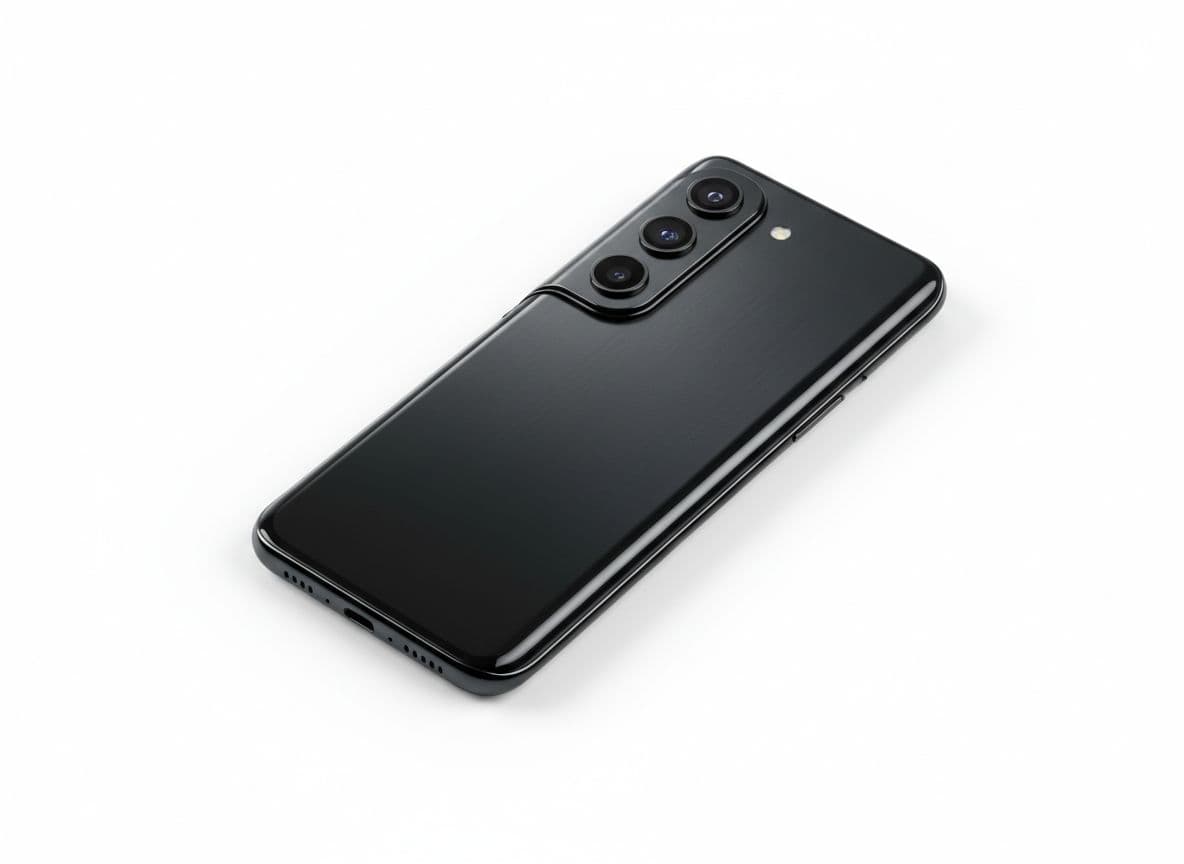
Samsung is the world's largest smartphone manufacturer, and Galaxy phones are the most traded Android devices on the resale market. New flagship Galaxy phones cost $800-$1,800+, making trade-in and resale value critically important for upgrading affordably. Samsung phones depreciate faster than iPhones. A 1-year-old Galaxy S device holds about 40-55% of retail compared to 55-70% for an equivalent iPhone. However, Samsung's foldable phones (Z Fold, Z Flip) have better retention rates due to their premium positioning. The trade-in market is competitive: Samsung's own trade-in program, carriers (Verizon, AT&T, T-Mobile), Gazelle, Swappa, and eBay all compete for your device. Knowing the fair market value prevents accepting lowball offers. Carrier trade-in programs often restrict credits to same-carrier devices.
Key Factors That Affect Samsung Phones Value
Understanding what drives the price of samsung phones helps you get the most accurate valuation.
Model & Tier
Galaxy S Ultra series holds the most value (45-55% after 1 year). Galaxy S Plus/standard: 35-45%. Galaxy Z Fold: 40-55%. Galaxy Z Flip: 35-45%. Galaxy Note (discontinued but still traded): 25-40%. Galaxy A series (mid-range): 25-35%. Galaxy S FE (Fan Edition): 30-40%. The generation matters. Each year's release creates significant depreciation on the previous generation.
Storage & RAM
Higher storage variants command proportional premiums. 128GB is the base. 256GB adds $30-$60 to resale, 512GB adds $50-$100, 1TB adds $80-$150. RAM differences between variants of the same model have modest impact. Storage is more important on older devices where the base was 64GB. Those models lose value fastest as users find them limiting.
Condition & Screen
Screen condition is the #1 factor. Samsung's AMOLED screens are expensive to replace ($200-$400+). Cracked screens reduce value by 40-60%. Burn-in (visible on AMOLED) reduces value. Scratches are common on Gorilla Glass but minor ones have limited impact. Body condition (frame dents, back glass cracks) matters. Battery health above 85% is expected. For foldable phones, crease visibility and hinge condition are critical inspection points.
Carrier Lock Status
Unlocked phones command 10-20% premiums over carrier-locked devices. Factory unlocked (purchased directly from Samsung) is the most desirable. Carrier-unlocked (met unlock requirements) is equivalent. Locked phones are limited to buyers on the same carrier network. International models may lack US carrier compatibility. IMEI should be clean (no blacklist, no active financing). Verify unlock status before listing.
Accessories & Packaging
Samsung flagships no longer include chargers in-box, so including a charger, cable, and case adds value. S Pen (for Note and S Ultra) is expected. Missing S Pen reduces value. Samsung cases (especially official ones) add modest value. Galaxy Buds or Galaxy Watch bundled with a phone create attractive packages. Original box adds perceived value. Screen protectors already applied are a plus.
Tips for Valuing Samsung Phones
Get the most accurate valuation by following these tips when photographing your samsung phones.
Include the exact model number (Settings > About Phone). Samsung has many variants and buyers need specifics
Show the screen powered on to demonstrate display quality and any burn-in or dead pixels
Photograph any scratches, cracks, or wear on both front and back
Note the carrier status (unlocked vs. locked), storage capacity, and battery health percentage
Samsung Phones Market Insights
Swappa is the most trusted marketplace for Samsung phones. Transparent pricing and device verification. eBay has the largest buyer pool. Samsung Trade-In is convenient but pays below market. Carrier trade-in programs (especially Verizon and AT&T) sometimes offer aggressive promotions that exceed market value. Always compare. Gazelle and Decluttr offer quick buyback quotes. Facebook Marketplace works for local sales. The Samsung phone market is more price-sensitive than iPhone. Android buyers tend to be more value-conscious and will negotiate harder. The best time to sell is immediately before or after Samsung's annual Galaxy Unpacked events (usually January/February and July/August), when the new model announcement creates a brief window of sellers getting top dollar for current-gen devices.
Notable Samsung Phones Values
Real-world examples of what specific samsung phones have sold for, so you can benchmark your own.
| Samsung Phone | Condition | Typical Value |
|---|---|---|
| Samsung Galaxy S24 Ultra (256GB, Unlocked) | Used - Good | $550 - $750 |
| Samsung Galaxy S23 Ultra (256GB, Unlocked) | Used - Good | $400 - $600 |
| Samsung Galaxy Z Fold 5 (256GB, Unlocked) | Used - Good | $650 - $950 |
| Samsung Galaxy Z Flip 5 (256GB, Unlocked) | Used - Good | $300 - $500 |
| Samsung Galaxy S21 FE (128GB, Unlocked) | Used - Good | $120 - $220 |
| Samsung Galaxy A54 5G (128GB, Unlocked) | Used - Good | $150 - $250 |
| Samsung Galaxy S10+ (128GB, Unlocked) | Used - Fair | $60 - $130 |
| Samsung Galaxy S24 Ultra (1TB, Sealed) | Sealed / New | $1,100 - $1,400 |
| Samsung Galaxy Note 20 Ultra (256GB, Unlocked) | Used - Good | $200 - $380 |
Based on eBay sold listings, Swappa marketplace data, and Back Market trade-in estimates.
Find Out What Your Samsung Phones Are Worth
Upload a photo now and get a free AI-powered valuation in seconds. No sign-up required.
Samsung Phones Valuation FAQ
How much is a used Samsung Galaxy worth?
Galaxy S24 Ultra: $500-$800. Galaxy S24/S24+: $350-$600. Galaxy Z Fold (latest): $600-$1,000. Galaxy Z Flip (latest): $350-$550. Galaxy S23 series: $250-$550. Galaxy A series: $80-$250. Older models (S21 and earlier): $100-$300. Storage, condition, and carrier lock status are the main variables within each range.
Where is the best place to sell a Samsung phone?
Swappa offers the best balance of fair prices and buyer protection for Android phones. eBay reaches the most buyers. Samsung Trade-In and carrier promotions are convenient but typically pay less. Gazelle and Decluttr offer instant quotes with free shipping. Facebook Marketplace works for local cash sales. Always compare offers across 2-3 platforms. Carrier promotional trade-in values can occasionally exceed market. Check current carrier promotions.
Why do Samsung phones lose value faster than iPhones?
Several factors: Samsung releases more models annually, creating more supply and faster obsolescence. Android phones receive fewer years of software updates (though Samsung has improved to 7 years). The Android resale market is more fragmented across brands. iPhones have stronger brand loyalty and perceived prestige. Samsung's aggressive promotional discounts (trade-in bonuses, BOGO deals) effectively reduce the 'real' new price, which caps used values.
Should I trade in my Samsung to the carrier or sell privately?
It depends on current promotions. Carriers sometimes offer trade-in values that far exceed market value ($800+ for an older Galaxy toward a new device). These are essentially marketing subsidies disguised as trade-in value. When these promotions run, carrier trade-in beats private sale. Without promotions, private sale on Swappa or eBay yields 20-40% more than standard trade-in programs. Always check current carrier promotions before deciding.
How long do Samsung phones last?
Samsung flagship phones typically last 4-6 years for basic functionality. Samsung now provides 7 years of OS and security updates for flagship models (S24 and later). Battery degradation is the most common aging issue. Batteries lose significant capacity after 2-3 years. Performance remains strong for 3-4 years. Most users upgrade every 2-3 years for camera improvements and new features rather than because the old phone stopped working.
Samsung Phones Price Guides
Value anything, anytime
Unlimited valuations, saved history and full reports in the free app.