Last updated: September 2026
How Much Is My Drone Worth?
Whether you have a DJI Mavic, Air, Mini, Phantom, Inspire, Autel EVO, or an FPV racing drone, our AI analyzes the brand, model, flight hours, and condition to provide an accurate market valuation. From recreational drones to commercial cinema rigs, get the right price before selling or upgrading.
Get the free app for unlimited scans


Compare real prices
See what drones are listed for right now
Affiliate link: we earn a commission if you buy, at no extra cost to you.
What do you want to value?
Get the free app for unlimited scans
Why Knowing Your Drones Value Matters
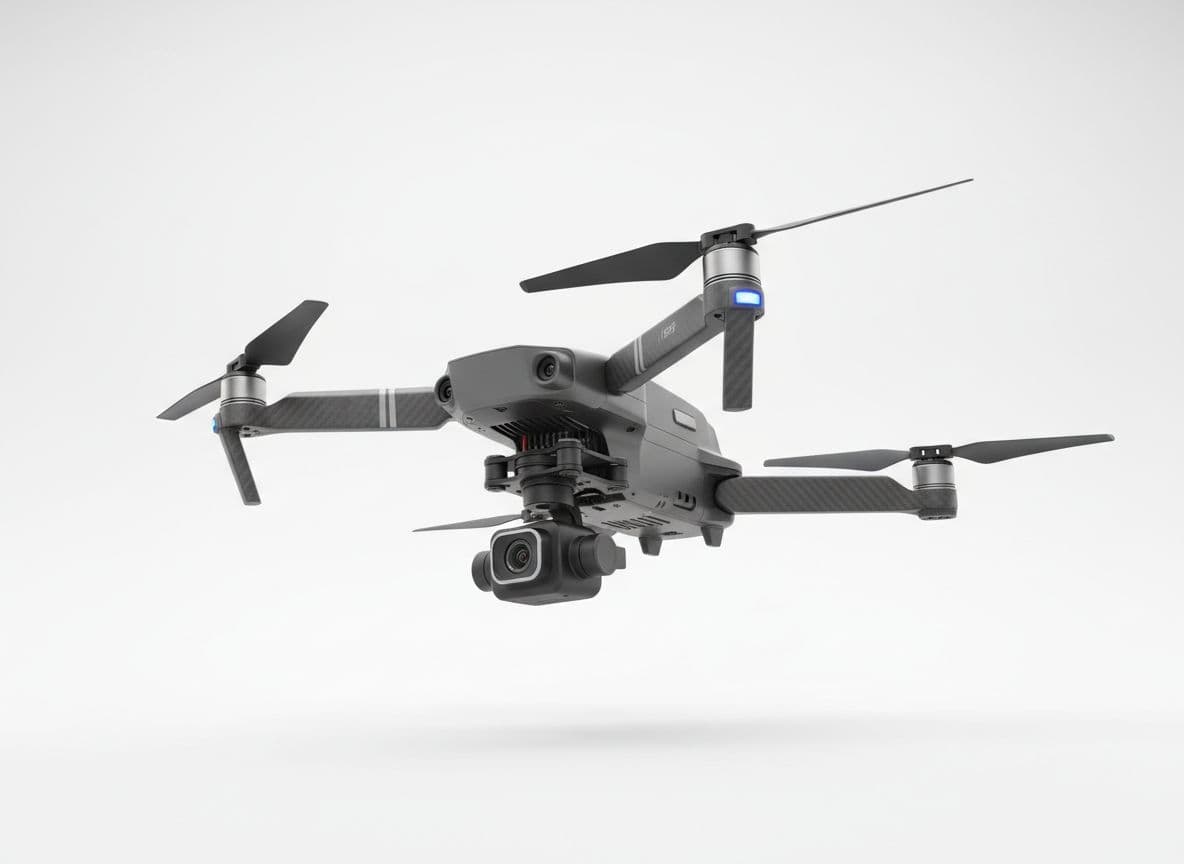
Drones are one of the fastest-depreciating consumer electronics categories due to rapid technology advancement, yet quality models still hold meaningful value. A DJI Mavic 3 Pro that retailed for $2,199 might resell for $1,200-$1,600 a year later, while a DJI Mini 4 Pro holds value well in the sub-$800 segment. DJI dominates the consumer and prosumer drone market with 70%+ market share, making their models the most liquid in resale. New model releases trigger sharp depreciation in previous generations. When DJI announces a new Mavic or Air model, the predecessor drops 20-30% within weeks. Flight hours, crash history, battery health, and gimbal condition are the critical value factors, but many sellers do not account for these in their pricing. The growing regulatory environment (FAA registration, Remote ID requirements) also affects what drones buyers want. Whether you are upgrading to the latest model, leaving the hobby, or selling commercial equipment, understanding your drone's current market position saves you from overpricing a stale listing or undervaluing a model that is still in demand.
Key Factors That Affect Drones Value
Understanding what drives the price of drones helps you get the most accurate valuation.
Brand & Model
DJI dominates resale value and liquidity. The DJI Mavic series (Mavic 3, Mavic 3 Pro, Mavic 3 Classic) commands the strongest resale prices. DJI Mini series (Mini 4 Pro, Mini 3 Pro) holds value well as the most popular consumer drones. DJI Air series offers mid-range value retention. Autel EVO Lite and EVO II are the strongest non-DJI options. FPV racing drones (custom builds) have a niche market. Older brands (Parrot, Yuneec) and budget drones have minimal resale value.
Generation & Technology
Current-generation drones hold value best. Obstacle avoidance sensors, longer flight times, and higher-resolution cameras drive demand for newer models. DJI drones with omnidirectional obstacle sensing sell for more than older models with limited sensors. 4K/60fps cameras are minimum expectations; drones with 5.1K or Hasselblad cameras command premiums. ActiveTrack, waypoint automation, and intelligent flight modes add value.
Battery Health & Count
Battery condition is critical. Drone batteries degrade with charge cycles and age. Batteries with 80%+ health hold significant value. A Fly More combo with 3 batteries in good health is worth $200-$400 more than a single-battery kit. Replacement DJI batteries cost $80-$170 each, so buyers factor battery condition heavily. Swollen, damaged, or low-health batteries are essentially worthless and signal heavy use.
Condition & Crash History
A drone with no crash history, clean props, undamaged gimbal, and a scratch-free camera lens commands maximum value. Crash damage. Even if repaired. Reduces value by 15-30%. Gimbal calibration issues, motor vibrations, and camera sensor problems are major value reducers. Cosmetic scratches on the body have less impact than functional issues. A DJI Care Refresh subscription (transferable) adds buyer confidence.
Accessories & Completeness
Fly More combos (extra batteries, multi-battery charger, carrying case, ND filters) are significantly more valuable than base kits. A DJI RC Pro or DJI RC controller adds $200-$500 in value over a standard controller. ND filter sets, propeller guards, landing pads, and carrying cases add modest value. Original box and documentation increase buyer confidence. Registered aftermarket accessories (Polar Pro filters, hard cases) add incremental value.
Tips for Valuing Drones
Get the most accurate valuation by following these tips when photographing your drones.
Photograph the drone from above showing the overall body condition, props, and camera/gimbal system
Include a screenshot of the DJI app showing total flight time, flights, and battery health statistics
Show the controller, all batteries, charger, and any accessories included in the sale
Photograph the camera lens and gimbal area closely. Any scratches, cracks, or misalignment significantly affect value
Drones Market Insights
The used drone market moves quickly, driven by DJI's frequent new product releases that push previous generations into the secondary market. eBay and Facebook Marketplace are the primary platforms for used drone sales. DJI's own trade-in program provides a baseline but pays below market value. Swappa is emerging as a trusted platform for used electronics including drones. The prosumer and commercial drone market is strong, with real estate photographers, videographers, and inspection companies buying used equipment. FAA Remote ID requirements have created a divide between compliant and non-compliant drones, with compliant models holding value better. The FPV drone market operates separately from camera drones, with custom builds valued based on components rather than brand. Seasonality matters. Drones sell better in spring and summer when weather is favorable for flying.
Notable Drones Values
Real-world examples of what specific drones have sold for, so you can benchmark your own.
| Drone | Condition | Typical Value |
|---|---|---|
| DJI Mavic 3 Pro | Used | $900 - $1,400 |
| DJI Mini 4 Pro | Used | $350 - $550 |
| DJI Air 3 | Used | $500 - $750 |
| DJI FPV Combo | Used | $400 - $650 |
| DJI Avata 2 | Used | $500 - $750 |
| Autel EVO Lite+ | Used | $350 - $550 |
| DJI Phantom 4 Pro V2.0 | Used | $500 - $850 |
| DJI Mini 2 SE | Used | $150 - $250 |
| DJI Inspire 2 with Zenmuse X7 | Used | $2,500 - $5,000+ |
Based on eBay sold listings, Facebook Marketplace completed sales, and DJI certified refurbished store pricing.
Find Out What Your Drones Are Worth
Upload a photo now and get a free AI-powered valuation in seconds. No sign-up required.
Drones Valuation FAQ
How fast do drones depreciate?
Drones depreciate 20-30% in the first year and 10-15% annually thereafter. New model announcements trigger sharp drops in previous-generation pricing. A DJI Mavic model that is two generations old typically sells for 40-50% of its original retail price. Mini and consumer drones depreciate slightly faster than prosumer models. The key is selling before the next generation is announced if you want maximum value.
Does DJI offer trade-in programs?
Yes, DJI offers trade-in through their website where you can trade an old drone for credit toward a new purchase. However, DJI trade-in values are typically 20-40% below what you can get selling privately. The convenience of instant credit is the main benefit. Always compare DJI's trade-in offer with eBay sold prices before deciding. Third-party buyback services also exist but generally pay below private sale prices.
Can I sell a drone that is not registered with the FAA?
Yes, you can sell an unregistered drone. FAA registration is tied to the operator, not the aircraft. The new owner will need to register it under their own name. However, drones that meet Remote ID requirements are more attractive to buyers since they can legally fly in more areas. Include any relevant documentation about the drone's Remote ID compliance in your listing.
What should I do before selling my DJI drone?
Unpair the drone from your DJI account, remove it from your DJI app device list, and factory reset the drone and controller. Clear any flight data, waypoints, or cached maps. Sign out of your DJI account on the controller. Remove your microSD card. If you have DJI Care Refresh, check if it is transferable to the new owner. This adds value. Provide the original box, all accessories, and any remaining warranty documentation.
Are older DJI Phantom drones still worth anything?
DJI Phantom 4 Pro V2.0 still holds moderate value ($500-$800) as an excellent camera drone. Earlier Phantom 4 models sell for $300-$500. Phantom 3 models are worth $150-$300. Original Phantom and Phantom 2 models have minimal value ($50-$150) as their technology is significantly outdated. The bulky Phantom form factor has fallen out of favor compared to foldable Mavic-style drones, limiting demand.
Drones Price Guides
Value anything, anytime
Unlimited valuations, saved history and full reports in the free app.