Last updated: September 2026
How Much Is Your iPad Worth?
Whether you have an iPad Pro, iPad Air, iPad Mini, or standard iPad, our AI analyzes the model, generation, storage capacity, condition, and accessories to provide an accurate trade-in or resale valuation. Upgrading to the latest model? Know what your current iPad is worth.
Get the free app for unlimited scans


Compare real prices
See what ipads are listed for right now
Affiliate link: we earn a commission if you buy, at no extra cost to you.
What do you want to value?
Get the free app for unlimited scans
Why Knowing Your iPads Value Matters
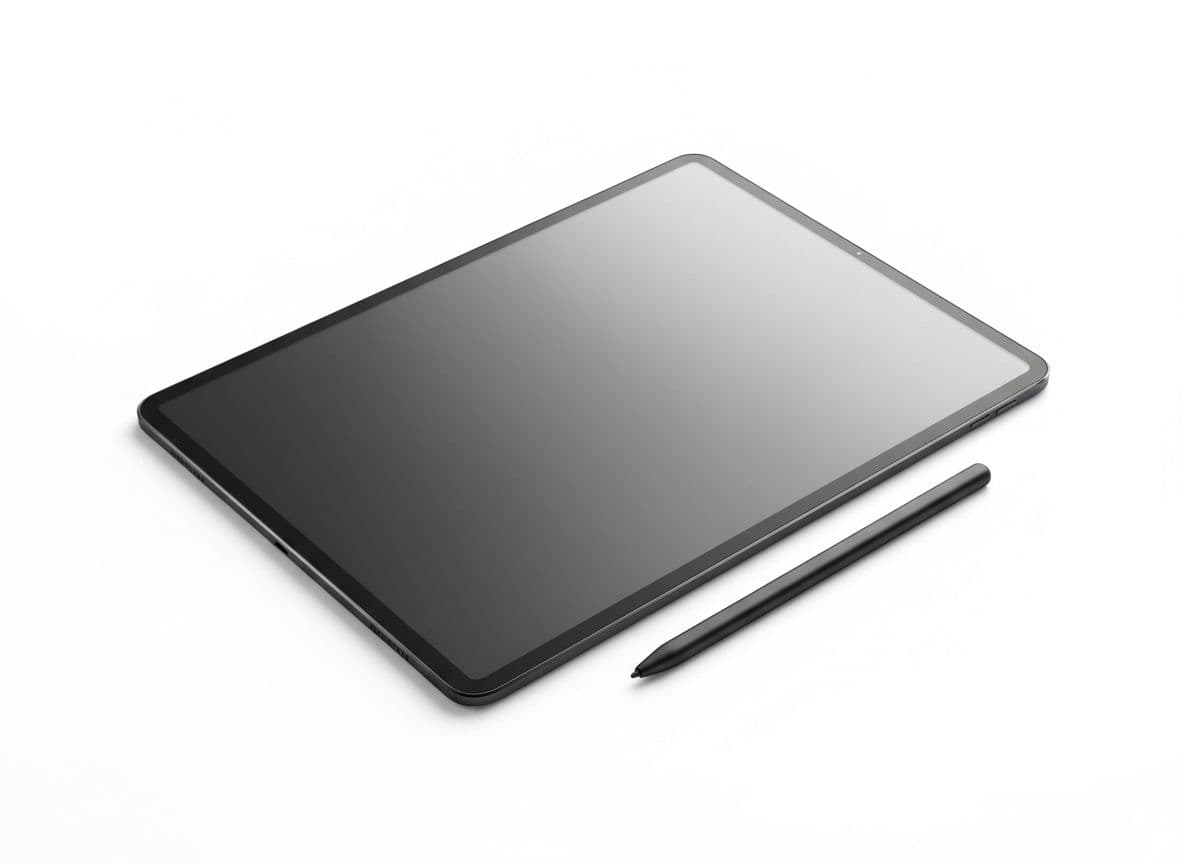
iPads hold value better than almost any tablet on the market.apple's ecosystem, build quality, and long software support mean that even 3-4 year old iPads are still functional and desirable. A 2-year-old iPad Pro that cost $1,099 new can still sell for $500-$700. The trade-in and resale market is massive: Apple's own trade-in program, Gazelle, Swappa, and eBay all compete for your used iPad. Knowing the fair market value prevents you from accepting lowball trade-in offers.apple and carrier trade-in programs often pay 20-40% less than private sale value. The iPad lineup has diversified significantly (standard, Mini, Air, Pro), and each tier depreciates at different rates. Pro models with M-series chips hold value best, while older standard iPads depreciate faster. Storage capacity matters enormously. 256GB+ models command significant premiums over 64GB base models on the used market.
Key Factors That Affect iPads Value
Understanding what drives the price of ipads helps you get the most accurate valuation.
Model & Generation
iPad Pro models hold the highest resale values. 50-65% of retail after 2 years. iPad Air holds 45-55%. Standard iPads hold 35-45%. iPad Mini holds 40-50%. Current and previous generation models sell best. Models 3+ generations old drop significantly. M-series chip iPads (M1, M2, M4) command premiums over A-series chip models due to performance longevity.
Storage Capacity
Storage is a major value differentiator. 64GB base models lose value fastest as users find them limiting. 128GB is the sweet spot for resale. Practical without being over-spec. 256GB commands a solid premium. 512GB and 1TB+ models hold the highest absolute values but the premium narrows on the used market. Cellular (WiFi + Cellular) models are worth $50-$130 more than WiFi-only equivalents.
Condition & Screen
Screen condition is the primary visual inspection point. Scratches, cracks, or dead pixels dramatically reduce value. A flawless screen commands full market price. Minor scratches reduce value 10-15%. Cracked screens reduce value 40-60% (repair costs $150-$350). Battery health above 85% is expected. Below 80% reduces value. Bent chassis (common on thinner Pro models) is a significant defect.
Accessories & Packaging
Apple Pencil (1st or 2nd gen) adds $50-$100 to the package. Magic Keyboard or Smart Keyboard Folio adds $80-$200. Original box and charger add 5-10% perceived value. Cases have minimal impact.appleCare+ transferability can add value. A complete setup (iPad + Pencil + Keyboard) sells for a premium over the iPad alone.
Activation Lock & iCloud Status
An iPad that is iCloud locked or has Activation Lock enabled is worth 70-90% less. Most buyers will not touch it. Always sign out of iCloud and disable Find My iPad before selling. Carrier-locked cellular models are worth less than unlocked. A clean ESN/IMEI on cellular models is essential. Factory reset before sale is expected.
Tips for Valuing iPads
Get the most accurate valuation by following these tips when photographing your ipads.
Include the exact model name and generation. Check Settings > General > About for the model number
Photograph the screen powered on in a well-lit area to show display quality and any imperfections
Show the battery health percentage (Settings > Battery > Battery Health). this is a top buyer concern
Include all accessories you are selling with it. Pencil, keyboard, charger, and original box increase value
iPads Market Insights
Swappa is the most trusted peer-to-peer marketplace for iPads. Verified listings and fair market pricing. eBay has the largest buyer pool but higher fees (13%+).apple Trade-In is the most convenient but pays 20-40% below market value. Gazelle and similar buyback sites offer quick cash at wholesale prices. Facebook Marketplace works well for local sales. Best Buy, Amazon, and carrier trade-in programs are additional options but generally pay less than private sale. The best time to sell is just before or right after Apple announces new iPad models. Buyers looking for the previous generation at a discount. iPad Pro models with ProMotion displays and M-chips have the strongest resale. The standard iPad is the highest-volume seller but has the most price competition on the used market.
Notable iPads Values
Real-world examples of what specific ipads have sold for, so you can benchmark your own.
| iPad | Condition | Typical Value |
|---|---|---|
| iPad (1st Gen, 16GB Wi-Fi) | Used | $20 - $60 |
| iPad mini (1st Gen, 16GB Wi-Fi) | Used | $15 - $50 |
| iPad Air (1st Gen, 32GB Wi-Fi) | Used | $30 - $80 |
| iPad (9th Gen, 64GB Wi-Fi) | Used | $150 - $220 |
| iPad mini 6 (64GB Wi-Fi) | Used | $200 - $320 |
| iPad Air 5 (M1, 64GB Wi-Fi) | Used | $280 - $420 |
| iPad Pro 12.9-inch (M2, 256GB Wi-Fi) | Used | $650 - $900 |
| iPad Pro 11-inch (M4, 256GB Wi-Fi) | Sealed | $900 - $1,100 |
| iPad Pro 12.9-inch (5th Gen, 256GB, Cellular) | Used | $550 - $800 |
Based on recent eBay sold listings, Swappa market data, and Back Market pricing trends.
Find Out What Your iPads Are Worth
Upload a photo now and get a free AI-powered valuation in seconds. No sign-up required.
iPads Valuation FAQ
How much is a used iPad worth?
Standard iPad (recent gen): $150-$350. iPad Mini (recent gen): $200-$400. iPad Air (recent gen): $300-$550. iPad Pro 11-inch: $400-$800. iPad Pro 12.9/13-inch: $500-$1,000+. These ranges assume good condition with WiFi-only; cellular models add $50-$130. Storage, condition, and generation are the main variables.
Where is the best place to sell an iPad?
Swappa offers the best balance of fair prices and buyer protection. eBay reaches the most buyers but takes ~13% in fees. Facebook Marketplace avoids fees but requires meeting buyers.apple Trade-In is the easiest but pays below market. Gazelle and Decluttr offer quick quotes with free shipping.compare offers across at least 2-3 platforms before selling.
Should I trade in my iPad to Apple?
Apple Trade-In is convenient but typically pays 20-40% less than private sale value. It makes sense if you value convenience over maximum return, need instant credit toward a new purchase, or if your iPad has issues that would complicate private sale. For iPads in good condition, private sale on Swappa or eBay yields significantly more money.
How long do iPads last?
iPads typically receive 5-7 years of software updates from Apple. Hardware can last 6-8+ years with proper care. Battery degradation is the most common aging issue. Batteries below 80% health may need replacement ($99-$149 through Apple). iPads with M-series chips are expected to have even longer useful lives. Most users upgrade every 3-4 years for performance gains.
Does storage size affect iPad resale value?
Yes, significantly. 64GB models are the least desirable and lose value fastest. 128GB hits the sweet spot for most buyers. 256GB commands a $50-$100 premium over 128GB. 512GB+ models have the highest absolute value but the per-GB premium decreases. When buying new, choosing higher storage not only benefits your usage but protects resale value.
iPads Price Guides
Value anything, anytime
Unlimited valuations, saved history and full reports in the free app.