Last updated: September 2026
How Much Is My TV Worth?
Whether you have a high-end OLED TV, a large 4K LED, or an older smart TV you are replacing, our AI identifies the brand, model, and size to provide an accurate resale value. Get a realistic price before listing on Facebook Marketplace, Craigslist, or trading it in.
Get the free app for unlimited scans


Compare real prices
See what tvs are listed for right now
Affiliate link: we earn a commission if you buy, at no extra cost to you.
What do you want to value?
Get the free app for unlimited scans
Why Knowing Your TVs Value Matters
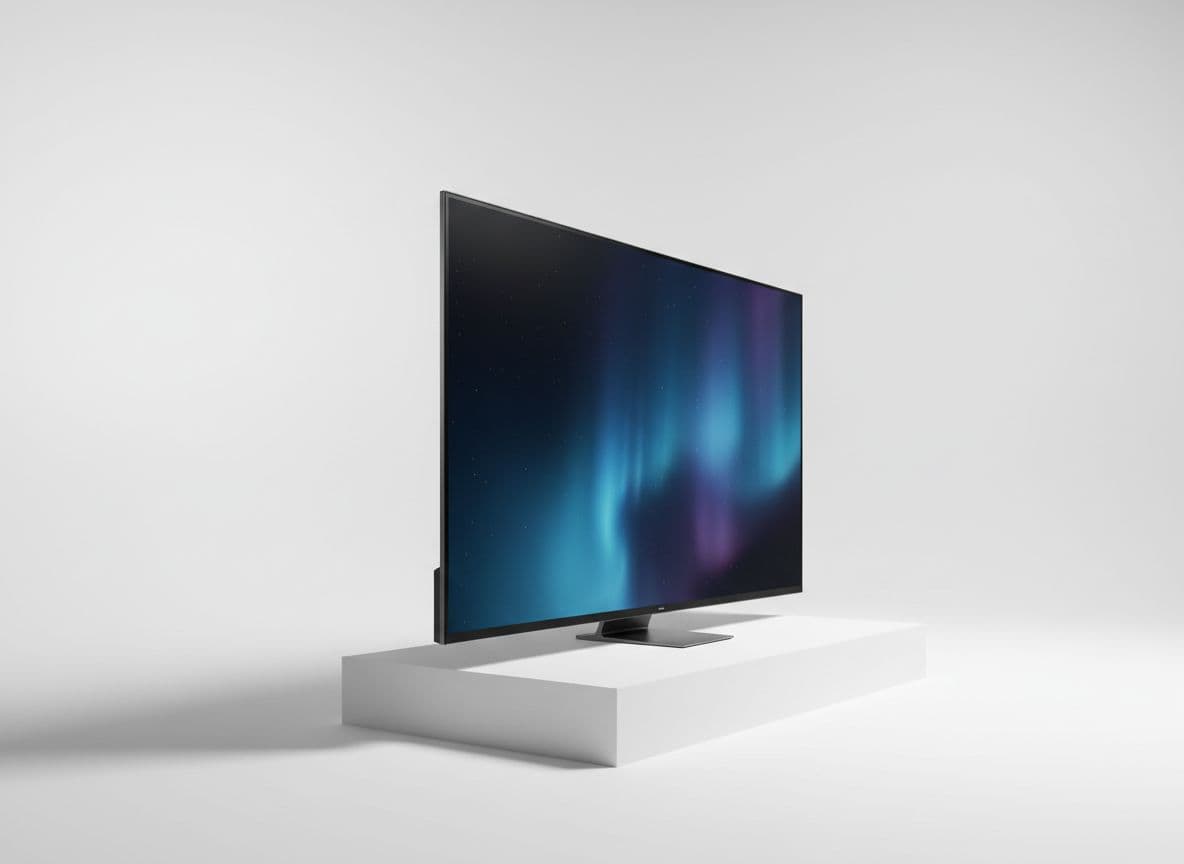
TVs are one of the most commonly replaced electronics, especially around Black Friday and Super Bowl season when new models launch. Many people either give away their old TV for free or let it sit unused, not realizing it still has meaningful resale value. A two-year-old 65-inch 4K TV can still fetch $200-$500 depending on the brand and technology. Even older 55-inch smart TVs are worth $50-$150 to budget-conscious buyers. Understanding your TV's value helps you decide whether to sell it privately, donate it for a tax deduction, or trade it in. Selling your old TV can offset a significant portion of your upgrade cost.
Key Factors That Affect TVs Value
Understanding what drives the price of tvs helps you get the most accurate valuation.
Display Technology
OLED TVs retain value best, followed by QLED and Mini LED models. Standard LED/LCD TVs depreciate faster. Premium display technologies (LG OLED, Samsung QN90/QN900 series, Sony A-series) hold 40-60% of their value after two years, while budget LED TVs may retain only 20-30%.
Screen Size
Larger TVs (65 inches and above) hold more dollar value on resale, though they depreciate at similar percentage rates. The sweet spot for resale is 55-75 inches, as these sizes are most in-demand. TVs under 43 inches have limited resale value as new models in this size range are very affordable.
Brand & Model Year
Premium brands (LG, Samsung, Sony) retain value better than budget brands (Hisense, TCL, Vizio). The model year is critical. TV technology improves rapidly, so a two-year-old flagship may be worth less than a current mid-range model. Check the model number to determine the exact year.
Smart TV Features
TVs with current operating systems (webOS, Tizen, Google TV, Roku) that still receive software updates are worth more than those running outdated platforms. HDMI 2.1 ports for gaming (4K/120Hz), VRR support, and low input lag add value for buyers who game on consoles.
Physical Condition
Screen condition is paramount. Any dead pixels, burn-in (OLED), light bleed, or cracks make a TV nearly worthless. Cosmetic damage to bezels and stands has less impact. Including the original remote and stand increases value. Wall-mounted TVs sold without a stand are worth less since replacement stands can be expensive.
Tips for Valuing TVs
Get the most accurate valuation by following these tips when photographing your tvs.
Photograph the TV powered on displaying a clear image to prove the screen has no defects or burn-in
Include a photo showing the model number on the back of the TV or in the settings menu
Photograph the back panel showing all ports (HDMI, USB) and the overall condition
Show the remote control and stand. Missing remotes and stands reduce value significantly
TVs Market Insights
The TV market is characterized by rapid depreciation and seasonal pricing. New models launch in spring, and prices for both new and used TVs drop significantly during Black Friday and Amazon Prime Day. The used TV market is primarily local (Facebook Marketplace, Craigslist, OfferUp) due to the difficulty and cost of shipping large screens. OLED TVs from LG and Sony maintain the strongest resale values due to their superior picture quality and high original retail prices. The growing popularity of 75-inch and larger TVs has created a healthy secondary market for 65-inch models from buyers looking for a deal. Gaming-focused TVs with HDMI 2.1 and 4K/120Hz capability are particularly in demand.
Notable TVs Values
Real-world examples of what specific tvs have sold for, so you can benchmark your own.
| TV | Condition | Typical Value |
|---|---|---|
| Samsung QN85B Neo QLED 65" | Used | $700 - $1,100 |
| LG C2 OLED 55" | Used | $500 - $800 |
| Sony A95K QD-OLED 65" | Used | $1,200 - $1,900 |
| TCL 6-Series 55" (R635) | Used | $150 - $300 |
| Samsung 8K QLED QN900A 75" | Used | $1,500 - $3,000 |
| Vizio P-Series Quantum X 65" | Used | $200 - $450 |
| LG G2 OLED evo 77" | Used | $1,100 - $1,800 |
| Sony Bravia XR A80J 55" | Used | $400 - $700 |
| Basic 32" 1080p Smart TV (various brands) | Used | $30 - $100 |
Based on eBay sold listings, Facebook Marketplace completed sales, and consumer electronics resale price guides.
Find Out What Your TVs Are Worth
Upload a photo now and get a free AI-powered valuation in seconds. No sign-up required.
TVs Valuation FAQ
How much does a TV depreciate per year?
TVs typically lose 30-40% of their value in the first year and 15-25% each subsequent year. OLED TVs depreciate slightly slower than LED/LCD models. A $1,500 TV purchased today will likely be worth $900-$1,050 after one year and $600-$800 after two years. Budget TVs under $500 depreciate faster in percentage terms and may have very little resale value after 2-3 years.
Is it worth selling an old TV or should I just donate it?
If your TV is less than 4-5 years old, a 4K smart TV, and 50 inches or larger, it is usually worth selling. You can likely get $75-$400 depending on specs. TVs older than 5 years, non-smart TVs, or small screens under 40 inches may not be worth the effort to sell. In that case, donating to Goodwill or Habitat for Humanity provides a tax deduction. TVs with cracked screens should be recycled through an electronics recycling program.
When is the best time to sell my TV?
The best time to sell is just before major sale events. Sell in October before Black Friday, or sell in January before Super Bowl TV sales. Demand for used TVs is also high at the start of college semesters (August/January) and when people are moving into new apartments (spring and summer). Avoid listing during Black Friday week or major sale events when new TVs are deeply discounted.
How do I safely transport a TV for sale?
If you have the original box, use it with the original foam inserts. Without the original box, wrap the screen in moving blankets or bubble wrap, and transport it upright (never flat) in a vehicle. For local sales, having the buyer pick up is easiest. If you must deliver, secure the TV upright in your vehicle and drive carefully. Avoid extreme temperatures during transport.
TVs Price Guides
Value anything, anytime
Unlimited valuations, saved history and full reports in the free app.