Last updated: September 2026
How Much Are My Speakers Worth?
Whether you have vintage JBL L100s, Klipsch Heresys, Bose 901s, B&W 800 series, or modern Sonos or KEF speakers, our AI analyzes the brand, model, era, and condition to provide an accurate market valuation. From inherited hi-fi systems to modern wireless speakers, get the right price before selling.
Get the free app for unlimited scans


Compare real prices
See what speakers are listed for right now
Affiliate link: we earn a commission if you buy, at no extra cost to you.
What do you want to value?
Get the free app for unlimited scans
Why Knowing Your Speakers Value Matters
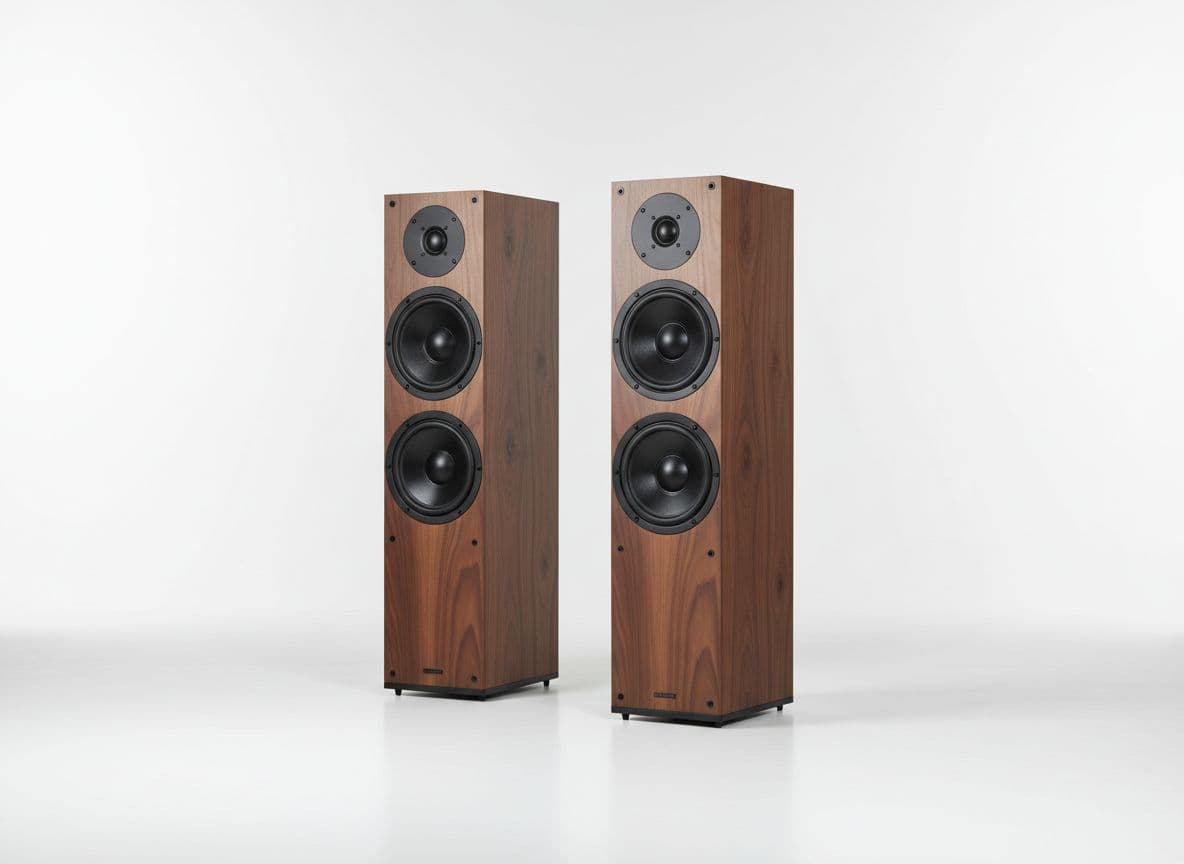
The speaker market has experienced a remarkable revival driven by the same audiophile renaissance fueling vinyl record and turntable sales. Vintage speakers from the 1970s-1980s golden age of hi-fi can be worth hundreds to thousands of dollars. A pair of JBL L100 Century speakers sells for $1,000-$2,500, Klipsch Heresy speakers bring $800-$1,800, and Advent Large speakers (once $200/pair new) now sell for $300-$600. Meanwhile, modern high-end speakers from brands like B&W, KEF, and Focal hold 40-60% of their retail value. Many people inherit home stereo systems or find speakers at estate sales without knowing their value. The vintage speaker market is particularly tricky because identical-looking speakers can have very different values based on the specific model year, driver type, and crossover version. A pair of speakers sitting in a garage or basement could be worth $50 or $3,000. The difference is knowledge of what you have.
Key Factors That Affect Speakers Value
Understanding what drives the price of speakers helps you get the most accurate valuation.
Brand & Model
JBL, Klipsch, B&W (Bowers & Wilkins), KEF, and Focal are the strongest value-holding brands. Vintage JBL studio monitors (4311, 4312, L100) are the most sought-after vintage speakers. Klipsch Heritage series (Heresy, Cornwall, La Scala, Klipschorn) hold value exceptionally well. B&W 800 series and KEF Reference series command strong prices in the modern market. Bose has a mixed reputation. Bose 901s have a cult following, but many Bose models depreciate quickly.
Driver & Crossover Condition
Speaker drivers (woofers, tweeters, midrange) are the core of a speaker's value. Foam surrounds on woofers deteriorate over 15-25 years and need replacement ($20-$50 DIY, $75-$150 professional per driver). Blown or damaged drivers significantly reduce value. Original drivers are worth more than replacements. Crossover capacitors degrade over time and may need replacement on vintage speakers for optimal sound. Recapped crossovers can restore full performance.
Cabinet Condition
Cabinet condition greatly affects value, especially for furniture-quality speakers. Veneer condition (no peeling, water damage, or deep scratches), grille cloth quality, and structural integrity all matter. Vintage speakers with original grilles and badges command premiums. Refinished cabinets are less valuable to purist collectors but can increase value for practical buyers. Water damage, swollen MDF, or warped cabinets are deal-breakers.
Vintage Status & Era
Speakers from the 1970s-1980s golden age of hi-fi are the most collectible vintage models. The early 1970s (JBL L100, Advent, AR-3a) and late 1970s (Klipsch Heresy II, JBL 4311) are peak value periods. Mid-century modern designs (1950s-1960s) have both audio and furniture collector appeal. 1990s and 2000s speakers have generally lower collector interest unless from premium brands. Powered/active speakers and wireless systems are a separate modern market.
Pair Matching & Completeness
Speakers are worth dramatically more as matched pairs than as singles. A matched pair might be worth $1,000 while a single is worth $300. Original matching serial numbers, identical driver revisions, and consistent cosmetic condition between left and right speakers are important. Original packing materials and documentation add modest value. Stands, spikes, and grilles that match the specific model add value if included.
Tips for Valuing Speakers
Get the most accurate valuation by following these tips when photographing your speakers.
Photograph both speakers together showing the front with grilles off to reveal the drivers
Include close-ups of the woofer surrounds (check for foam rot. Crumbling or missing foam), tweeters, and any visible damage
Show the cabinet condition including veneer, corners, and the back panel with connection terminals and model information
Photograph any labels, model badges, or serial numbers on the back. These identify the exact model and revision
Speakers Market Insights
The speaker market is split between the vintage hi-fi market and the modern audio market. Vintage speakers are traded actively on eBay, Facebook hi-fi groups, Audiogon, US Audio Mart, and Craigslist. The JBL L100 reissue sparked renewed interest in the original vintage models. Klipsch Heritage speakers have appreciated significantly as their vintage Americana aesthetic and high efficiency appeal to both audiophiles and interior designers. The modern speaker market is dominated by streaming and wireless systems. Sonos, KEF LSX, and Apple HomePod serve the convenience market while B&W, KEF, and Focal serve audiophiles. The key challenge for vintage speaker sellers is accurately assessing driver condition. Foam surround rot is extremely common and savvy buyers will check immediately. Refoaming is straightforward and inexpensive, so speakers needing refoam are still valuable but should be priced accordingly.
Notable Speakers Values
Real-world examples of what specific speakers have sold for, so you can benchmark your own.
| Speaker | Condition | Typical Value |
|---|---|---|
| JBL L100 Classic (2019 reissue pair) | Used | $1,200 - $2,000 |
| Klipsch Heresy III or IV (pair) | Used | $800 - $1,400 |
| Bose 901 Series I-VI (pair) | Used | $100 - $400 |
| Klipschorn (vintage 1950s-1970s pair) | Used | $2,000 - $6,000+ |
| JBL 4311 or 4312 Studio Monitor (pair) | Used | $600 - $1,400 |
| Advent Model 1 or Large Advent (pair) | Used | $100 - $350 |
| Altec Lansing Model 19 (pair) | Used | $2,500 - $5,500+ |
| Infinity RS1B (pair) | Used | $1,500 - $4,000 |
| Bose 301 Series II-IV (pair) | Used | $40 - $120 |
Based on recent eBay sold listings, Audiogon transactions, and US audio forum price guides.
Find Out What Your Speakers Are Worth
Upload a photo now and get a free AI-powered valuation in seconds. No sign-up required.
Speakers Valuation FAQ
Are old speakers worth anything?
Quality vintage speakers from recognized brands can be very valuable. JBL, Klipsch, B&W, AR (Acoustic Research), Advent, and KLH speakers from the 1970s-1980s range from $200 to $3,000+ per pair. However, cheap speakers from unknown brands, generic bookshelf speakers, and damaged units have minimal value. The brand, specific model, and driver condition determine whether old speakers are valuable or just taking up space.
What is foam rot and does it affect value?
Foam rot is the deterioration of the foam rubber surrounds on speaker woofers, causing them to crumble or disintegrate. It is extremely common in speakers from the 1970s-1990s. Speakers with rotted foam surrounds still have value because refoaming is an easy, inexpensive repair ($20-$50 DIY per speaker, $75-$150 professional). However, speakers needing refoam should be priced 15-25% below speakers with intact surrounds.
Which vintage speakers are most valuable?
The most valuable vintage speakers include Klipsch Klipschorn ($3,000-$8,000/pair), JBL Paragon ($10,000-$30,000), Klipsch La Scala ($2,000-$5,000/pair), JBL L100 ($1,000-$2,500/pair), B&W 801 ($800-$2,000/pair), and Tannoy Gold and Red monitors ($1,000-$5,000/pair). In the more accessible range, Advent Large ($300-$600/pair), AR-3a ($400-$800/pair), and JBL 4311 ($600-$1,200/pair) are consistently sought-after.
Should I sell speakers as a pair or individually?
Always sell as a matched pair if possible. A pair is worth 60-80% more than two individual sales combined. Speakers are designed to work in pairs, and buyers want matching left and right channels. If you have a single speaker from a desirable model, it still has value to someone seeking a replacement to complete their pair, but expect to get 30-40% of the pair price at most.
Where is the best place to sell speakers?
For vintage and audiophile speakers, eBay reaches the broadest audience of knowledgeable buyers. Facebook hi-fi groups and Audiogon connect you with enthusiasts. US Audio Mart is a dedicated platform for used audio equipment. Local sales via Craigslist or Facebook Marketplace avoid costly shipping for large speakers. For modern wireless and powered speakers, Swappa and eBay work well. Large vintage speakers (Klipschorn, La Scala) are best sold locally due to size and shipping challenges.
Value anything, anytime
Unlimited valuations, saved history and full reports in the free app.