Last updated: September 2026
How Much Is My Vintage Camera Worth?
From classic Leica rangefinders and Hasselblad medium format cameras to vintage Polaroids and antique bellows cameras, our AI identifies your camera model, assesses its condition, and provides a current market valuation. Whether you found a camera at an estate sale or inherited a collection, get an instant estimate without visiting a camera shop.
Get the free app for unlimited scans


Compare real prices
See what vintage cameras are listed for right now
Affiliate link: we earn a commission if you buy, at no extra cost to you.
What do you want to value?
Get the free app for unlimited scans
Why Knowing Your Vintage Cameras Value Matters
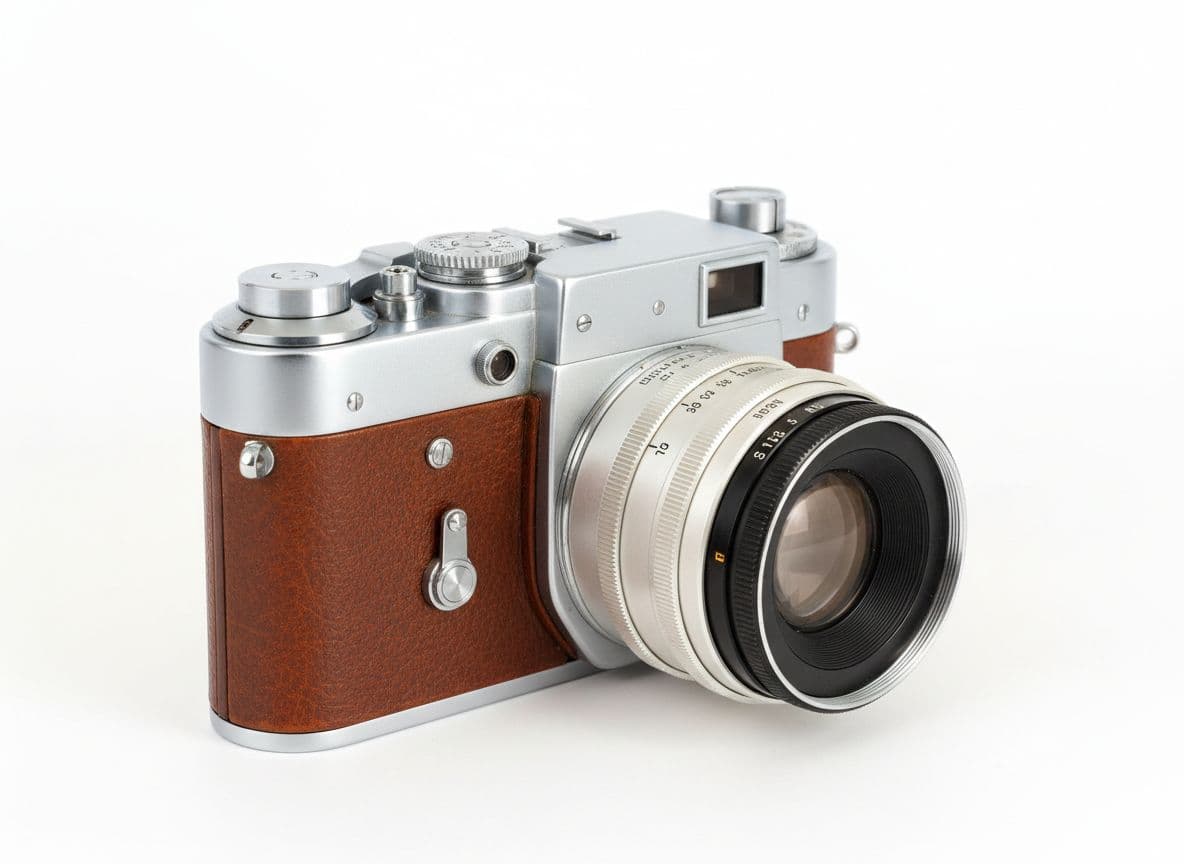
The vintage camera market has exploded alongside the film photography revival. Cameras that sat unused in closets for decades are now highly sought after by photographers, collectors, and film enthusiasts. A working Leica M3 can fetch $1,500-$3,000, while rare models like the Leica MP or Nikon SP command five figures. Even common SLRs from the 1970s and 80s have doubled in value over the past few years. Knowing your camera's worth prevents you from selling a $500 camera at a garage sale for $20 or overpaying at a flea market.
Key Factors That Affect Vintage Cameras Value
Understanding what drives the price of vintage cameras helps you get the most accurate valuation.
Brand & Model
Certain brands carry enormous cachet. Leica, Hasselblad, Rolleiflex, and Contax command premium prices. Within each brand, specific models are far more desirable - a Nikon F2 Photomic is worth more than a Nikon FG, for example.
Working Condition
A fully functional camera with an accurate shutter, clean viewfinder, and working light meter is worth significantly more than a non-working one. Sticky shutters, fungus in the lens, and broken meters all reduce value substantially.
Cosmetic Condition
Brass showing through black paint (called 'brassing') can actually increase value on Leicas, signaling heavy professional use. But dents, corrosion, and replaced parts lower value on most cameras.
Included Lenses & Accessories
Original lenses, lens caps, cases, straps, and boxes can double a camera's value. A Leica body is valuable, but paired with a Summicron or Summilux lens, the package is worth considerably more.
Rarity & Production Numbers
Limited edition cameras, military-issue models, and cameras produced in small quantities are more valuable. A black-paint Leica M4 is worth far more than the chrome version due to lower production numbers.
Tips for Valuing Vintage Cameras
Get the most accurate valuation by following these tips when photographing your vintage cameras.
Photograph the camera from multiple angles including the top plate showing the model name
Take a photo through the viewfinder and a shot of the lens front element to show clarity
Include any original boxes, cases, manuals, or accessories in the photo
Note whether the shutter fires at all speeds and the light meter works, if applicable
Vintage Cameras Market Insights
The vintage camera market has surged since 2018, driven by Gen Z and millennials embracing film photography. Prices for popular models like the Contax T2, Olympus MJU-II, and Canon AE-1 have increased 200-400% in five years. Japanese SLRs from the 1970s-80s remain affordable entry points, while German rangefinders continue to appreciate. The market for point-and-shoot cameras has cooled slightly from peak 2023 prices but remains well above historical levels. Medium format cameras like the Mamiya RB67 and Pentax 67 are in strong demand from professional photographers seeking the film look.
Notable Vintage Cameras Values
Real-world examples of what specific vintage cameras have sold for, so you can benchmark your own.
| Vintage Camera | Condition | Typical Value |
|---|---|---|
| Leica M3 (Double Stroke, 1954) | Excellent | $1,500 - $3,500 |
| Hasselblad 500C/M with 80mm Planar | Good | $800 - $2,000 |
| Nikon F (Apollo, Black Body, 1959-1965) | Good | $300 - $900 |
| Rolleiflex 2.8F TLR | Excellent | $900 - $2,200 |
| Canon AE-1 Program (35mm SLR) | Used | $80 - $200 |
| Olympus OM-1 (35mm SLR) | Good | $80 - $180 |
| Contax T2 (35mm Point-and-Shoot) | Good | $400 - $900 |
| Polaroid SX-70 Land Camera (Folding SLR) | Refurbished | $100 - $350 |
| Voigtlander Bessa R2A (35mm Rangefinder) | Very Good | $300 - $600 |
Based on eBay sold listings, auction records, and Chrono24/KEH Camera resale market data.
Find Out What Your Vintage Cameras Are Worth
Upload a photo now and get a free AI-powered valuation in seconds. No sign-up required.
Vintage Cameras Valuation FAQ
Are old film cameras actually worth anything?
Many vintage film cameras have significant value today. While some consumer-grade cameras from the 1990s may only be worth $20-50, professional and enthusiast cameras from the 1950s-1980s regularly sell for $200-$2,000+. Rare models can be worth $10,000 or more. The film photography revival has pushed prices up dramatically.
Does a camera need to work to be valuable?
Working cameras are worth significantly more, but even non-working cameras have value. Many buyers purchase broken cameras for parts or repair. A non-working Leica M3 might still sell for $500-800 because the repair cost is worthwhile given the camera's high working value.
What are the most valuable vintage cameras?
Leica rangefinders top the list, with rare models like the Leica MP, M2, and black-paint M4 commanding $3,000-$15,000+. Hasselblad 500-series cameras, Nikon SP rangefinders, and Rolleiflex twin-lens reflex cameras are also highly valued. Rare prototypes and military cameras can sell for six figures at auction.
Should I clean my vintage camera before getting it valued?
Do not attempt to clean the lens or internal components yourself - improper cleaning can cause scratches and reduce value. A light wipe of the body with a dry cloth is fine. Leave patina and 'brassing' intact, as these can actually add character and value for collectors.
How does the lens affect my camera's value?
The lens is often worth as much or more than the camera body. Fast prime lenses (f/1.4, f/1.2) are especially valuable. A clean, fungus-free lens adds significant value, while a hazy or fungus-damaged lens reduces the package price. Some lenses like the Leica Noctilux or Canon 50mm f/0.95 are worth more than most camera bodies.
Vintage Cameras Price Guides
Value anything, anytime
Unlimited valuations, saved history and full reports in the free app.