Last updated: September 2026
How Much Is Your Treadmill Worth?
Whether you have a NordicTrack, ProForm, Sole, Life Fitness, Precor, Bowflex, or any other brand of folding, non-folding, incline, or commercial treadmill, our AI analyzes the brand, model, features, age, and condition to provide an accurate resale valuation. No longer using it? Upgrading? Know what your treadmill is worth.
Get the free app for unlimited scans


Compare real prices
See what treadmills are listed for right now
Affiliate link: we earn a commission if you buy, at no extra cost to you.
What do you want to value?
Get the free app for unlimited scans
Why Knowing Your Treadmills Value Matters
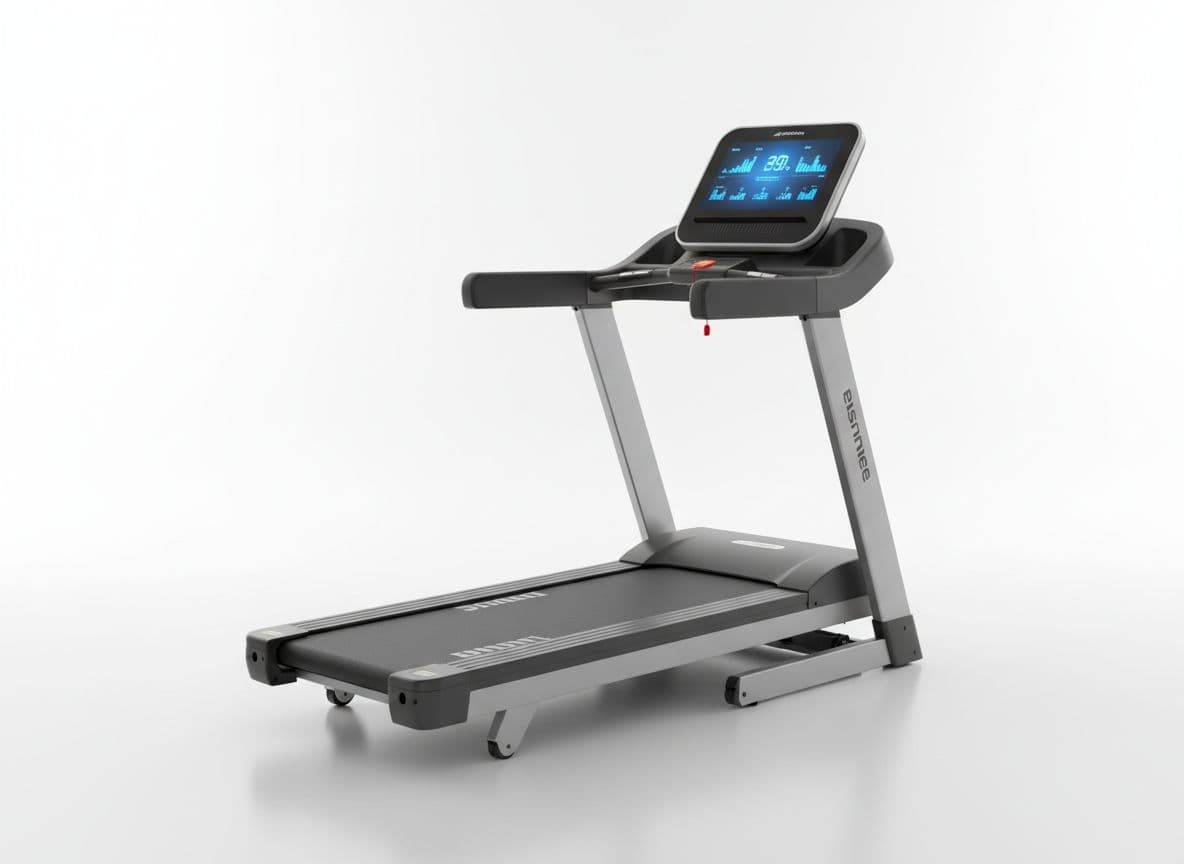
Treadmills are the most popular piece of home fitness equipment. And also the most commonly abandoned. New treadmills range from $500 for basic models to $4,000+ for commercial-grade machines with incline trainers. The used market is extremely active because most treadmill owners use their machine for a few months before it becomes a clothes hanger. Used treadmills typically sell for 25-45% of retail. Depreciation is steep because supply exceeds demand (everyone seems to be selling a treadmill). However, commercial-grade machines (Life Fitness, Precor, Woodway) hold value much better at 40-60% because their build quality and durability are genuinely superior. NordicTrack incline trainers and connected-fitness treadmills hold moderate value. The biggest challenge is logistics. Treadmills weigh 200-350+ lbs and are difficult to move, which keeps the market local and prices lower.
Key Factors That Affect Treadmills Value
Understanding what drives the price of treadmills helps you get the most accurate valuation.
Brand & Quality Tier
Commercial grade (Life Fitness, Precor, Woodway, TRUE): hold 40-60% of retail due to gym-quality construction. Premium home (NordicTrack Commercial series, Sole F80/F85, ProForm Pro): 30-45% of retail. Mid-range home (NordicTrack T series, ProForm, Horizon): 20-35%. Budget (Weslo, Sunny Health, Amazon brands): 15-25%.commercial machines are built for 10,000+ hours of use and last decades in home settings.
Features & Technology
Incline/decline capability adds value. NordicTrack incline trainers (up to 40% incline, -6% decline) are the most desirable consumer models. Touchscreen displays for streaming classes (iFIT, Peloton) add value but require subscriptions. Speed range (10+ mph for runners, 12+ mph for sprinters) matters. Folding capability is preferred for home use. Belt width (20"+ is standard, 22" is premium), motor size (3.0+ CHP for runners), and cushioning system affect value.
Age & Usage
Under 2 years old: 35-50% of retail for quality brands. 2-4 years: 25-40%. 5-7 years: 15-30%. Over 7 years: 10-20% unless commercial grade. Most home treadmills show limited wear because they are underused. A treadmill used daily for 3 years shows more belt and motor wear than one used weekly for the same period.commercial machines have hour meters. Under 5,000 hours is moderate for commercial use.
Condition & Maintenance
Belt condition is the primary wear indicator. A worn, stretched, or slipping belt needs replacement ($100-$300 with labor). Motor function should be smooth and quiet. Electronic console should display accurately. Incline motor (if equipped) should function through full range. Frame condition (rust, wobble) indicates structural integrity. Lubrication history matters for belt life. A treadmill that runs smoothly at all speeds and inclines is worth full market value.
Size & Transportability
Folding treadmills are easier to sell because they take less space and are somewhat easier to move. Non-folding commercial units are heavier and harder to transport. Weight directly impacts logistics. 150-200 lb folding models are manageable for two people, while 300+ lb commercial units need professional movers or an appliance dolly. Ground-floor access is important. Few buyers will navigate stairs. Offering to help load (with assistance) makes your listing more attractive.
Tips for Valuing Treadmills
Get the most accurate valuation by following these tips when photographing your treadmills.
Clean the treadmill thoroughly. Dust the belt, wipe down the console, and clean the frame
Run the treadmill and record a video showing smooth operation at multiple speeds and inclines
Note the brand, model, motor size, max speed, and incline range in your listing
Specify whether it folds, the weight, and floor location (ground floor = easier sale). logistics matter more than any other factor
Treadmills Market Insights
Facebook Marketplace is the dominant selling platform. Treadmills must be sold locally due to weight. OfferUp, Craigslist, and Nextdoor are alternatives. The market peaks in January (New Year's resolutions) and again in September (back-to-routine after summer). Prices drop in April-August as outdoor exercise becomes more appealing. The supply of used treadmills far exceeds demand in most markets. Pricing competitively is essential. Many sellers struggle to sell at any price because the treadmill is in a basement or upstairs room, creating a removal challenge.commercial-grade treadmills from gym liquidations can be exceptional values ($500-$1,500 for machines that cost $5,000-$10,000 new). NordicTrack and Peloton connected treadmills carry the additional consideration of ongoing subscription costs, which many buyers factor into their purchase decision.
Notable Treadmills Values
Real-world examples of what specific treadmills have sold for, so you can benchmark your own.
| Treadmill | Condition | Typical Value |
|---|---|---|
| NordicTrack Commercial 1750 | Used | $600 - $1,200 |
| Peloton Tread | Used | $1,200 - $2,000 |
| Peloton Tread+ | Used | $2,000 - $3,500 |
| ProForm Pro 2000 | Used | $400 - $750 |
| Bowflex T22 | Used | $700 - $1,200 |
| Life Fitness T3 (Club Series) | Used | $800 - $1,800 |
| Precor TRM 885 (Commercial) | Used | $1,500 - $3,500 |
| Weslo Cadence G 5.9i | Used | $60 - $150 |
| Sole F80 | Used | $500 - $900 |
Based on eBay sold listings, Facebook Marketplace, Craigslist completed sales, and gym equipment liquidation auction records.
Find Out What Your Treadmills Are Worth
Upload a photo now and get a free AI-powered valuation in seconds. No sign-up required.
Treadmills Valuation FAQ
How much is a used treadmill worth?
Budget home treadmills: $50-$200. Mid-range (NordicTrack T series, ProForm): $150-$400. Premium home (Sole F80, NordicTrack Commercial): $300-$800. NordicTrack Incline Trainers: $500-$1,500.commercial grade (Life Fitness, Precor): $500-$2,500. Age, brand, and condition determine the specific value. January pricing is highest; summer pricing is lowest.
Why are used treadmills so cheap?
Supply vastly exceeds demand. Treadmills are the most commonly abandoned fitness equipment. They are extremely heavy and difficult to move, which limits the buyer pool. New treadmill prices have dropped due to competition. Many treadmill owners sell at any price just to free up space. The ongoing subscription requirement for connected models deters some buyers. Location (basement, upstairs) can make a treadmill essentially unsellable without professional moving help.
When is the best time to sell a treadmill?
January is by far the best month. New Year's resolution buyers are motivated and willing to pay more. September-October sees a secondary peak (back-to-routine after summer). November-December is moderate (holiday fitness gifts). February-April demand drops. Summer (May-August) is the worst time. People exercise outdoors. If your treadmill is in a difficult location, consider moving it to the garage before listing for easier buyer pickup.
How do I move a treadmill?
Folding treadmills: fold the deck up, lock it, and transport upright on a furniture dolly. Two strong people can manage most folding models (150-250 lbs). Non-folding commercial treadmills: require an appliance dolly, moving straps, and 2-3 strong people. Stairs are the biggest challenge. Use professional movers for staircase moves ($100-$200). Always unplug and secure the power cord. Protect floors with plywood or moving blankets. Never lift by the console or handrails.
Is it worth repairing a treadmill?
Belt replacement ($100-$300 with labor) is worthwhile on quality machines. Motor replacement ($200-$500) is only worthwhile on commercial-grade machines. Control board replacement ($150-$400) depends on the treadmill's value. For treadmills under $500 new value, repairs over $150 are rarely worthwhile. For commercial machines valued at $1,000+, most repairs are justified. Annual lubrication and belt tension adjustment prevent expensive repairs.
Value anything, anytime
Unlimited valuations, saved history and full reports in the free app.