Last updated: September 2026
How Much Is Your Canoe Worth?
Whether you have an Old Town, Wenonah, Nova Craft, Mad River, or any other brand of recreational, touring, or wilderness canoe, our AI analyzes the brand, material, length, design, and condition to provide an accurate resale valuation. Upgrading to a different boat? Clearing garage space? Know what your canoe is worth.
Get the free app for unlimited scans


Compare real prices
See what canoes are listed for right now
Affiliate link: we earn a commission if you buy, at no extra cost to you.
What do you want to value?
Get the free app for unlimited scans
Why Knowing Your Canoes Value Matters
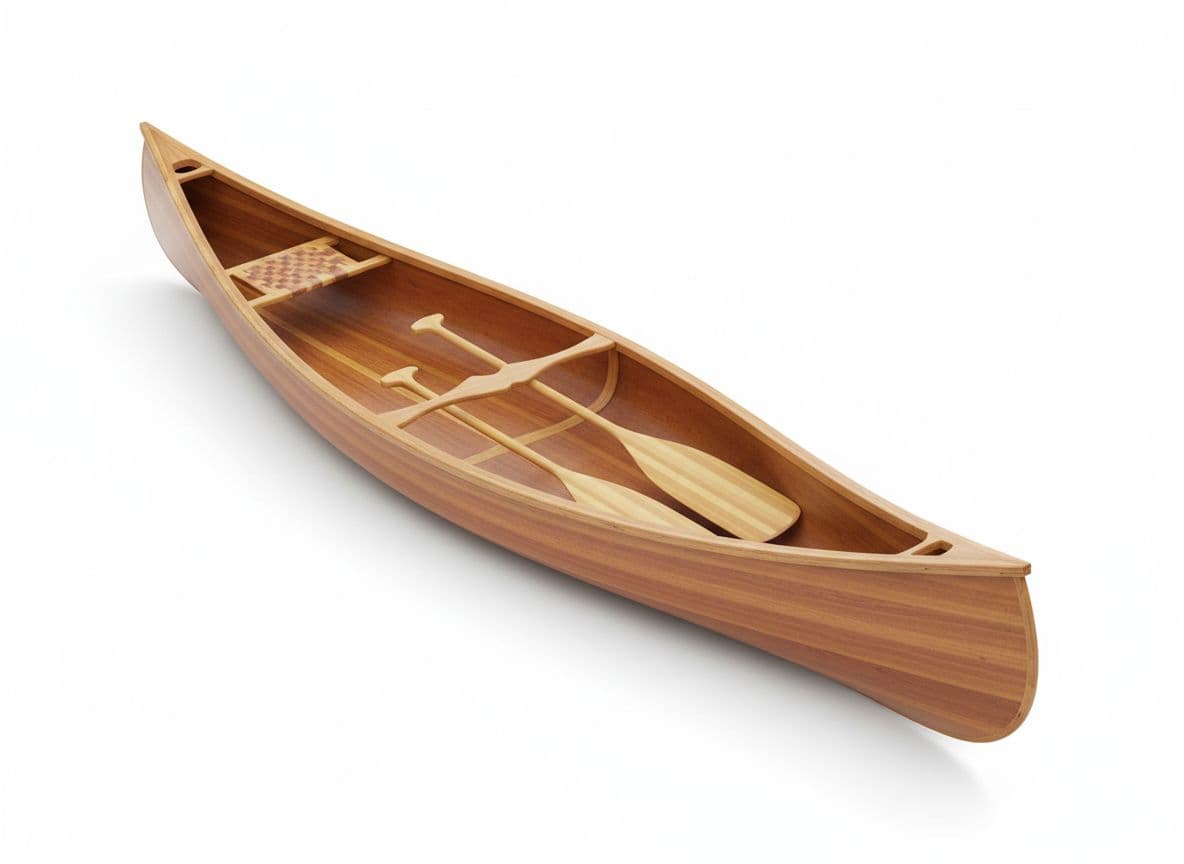
Canoes represent a significant investment. New models range from $500 for basic recreational canoes to $3,500+ for premium lightweight touring and wilderness canoes. The used canoe market is strong because canoes are durable watercraft that last decades with basic care, and many paddlers prefer the savings of buying used. Material is the biggest value determinant: Kevlar and carbon fiber canoes hold 50-70% of retail value, while polyethylene (plastic) canoes depreciate to 30-45% within a few years. Aluminum canoes from Grumman and Alumacraft are virtually indestructible and maintain steady resale values. The canoe market is driven by families wanting affordable recreational boats, camping enthusiasts needing wilderness-capable canoes, and serious paddlers upgrading to lighter materials. Regional demand varies. Canoe values are higher near popular paddling areas in the upper Midwest, Northeast, Pacific Northwest, and Canada.
Key Factors That Affect Canoes Value
Understanding what drives the price of canoes helps you get the most accurate valuation.
Material
Kevlar/carbon composite canoes are the lightest and most expensive. They hold 50-70% of retail. Fiberglass canoes offer a good balance of weight and value at 40-55% of retail. Royalex (discontinued) canoes are highly valued for whitewater and wilderness use. Increasing in value since material is no longer made. T-Formex (Royalex replacement) is the modern equivalent. Polyethylene (plastic) canoes are the most affordable and depreciate fastest. Aluminum canoes are indestructible and maintain steady, modest values.
Brand & Model
Wenonah is the premium canoe brand. Their Kevlar models hold exceptional value. Old Town is the most recognized brand with broad market appeal. Nova Craft, Esquif, and Souris River serve the enthusiast market. Mad River and Merrimack have loyal followings. Budget brands (Sun Dolphin, Pelican) have minimal resale value. Specific popular models (Wenonah Boundary Waters, Old Town Penobscot, Nova Craft Prospector) are always in demand.
Length & Design
16-17 foot canoes are the most versatile and popular. They sell fastest. Solo canoes (13-15 ft) serve a dedicated market of solo paddlers. Shorter recreational canoes (14-15 ft) suit casual family use. 18+ foot expedition canoes serve wilderness trippers. The hull design (flat bottom for stability, rounded for speed, rocker for maneuverability) affects the target market. Symmetrical designs are more versatile; asymmetrical designs suit specific paddling styles.
Condition & Repairs
Structural integrity is the primary concern. No cracks, holes, or delamination. Scratches and scuffs on the bottom are normal and expected from regular use. Gelcoat damage on fiberglass and Kevlar canoes is cosmetic and repairable. Gunwale condition (wood, aluminum, or vinyl) significantly affects appearance and value. Seat condition. Cane, webbing, or molded seats should be intact. Keel line straightness indicates whether the canoe has been stored properly.
Accessories Included
Paddles, PFDs (life jackets), and portage yokes add $50-$150 to the package value. Car-top carriers or canoe racks add convenience value. Spray covers for whitewater add value for the wilderness market. Knee pads, thwart bags, and painters (bow/stern ropes) are appreciated extras. Custom wood trim, carrying yokes, and seats can add value on premium canoes. Original documentation and registration papers provide buyer confidence.
Tips for Valuing Canoes
Get the most accurate valuation by following these tips when photographing your canoes.
Photograph the canoe from both sides showing the full hull profile and any scratches or repairs
Show the interior including seats, thwarts, yoke, and gunwale condition
Include a close-up of the brand plate or serial number with the model name and length
Note the material, length, and approximate weight in your listing. These are the first details paddlers check
Canoes Market Insights
The used canoe market is seasonal. Prices peak in April-June as paddling season begins and drop 20-30% in October-November. Spring selling gets the best prices. Craigslist has traditionally been the strongest platform for canoe sales, though Facebook Marketplace is now equally effective. Paddling forums (PaddlingLight, myccr.com) have classified sections reaching serious paddlers. Regional factors matter enormously. A used Wenonah Kevlar canoe in Minnesota sells for 20-30% more than the same canoe in Arizona. The discontinuation of Royalex material has created a unique market dynamic. Used Royalex canoes from Old Town, Esquif, and Nova Craft are appreciating rather than depreciating. Outfitters in canoe country (Boundary Waters, Algonquin, Adirondacks) buy and sell used canoes seasonally and can be good outlets for quality boats.
Notable Canoes Values
Real-world examples of what specific canoes have sold for, so you can benchmark your own.
| Canoe | Condition | Typical Value |
|---|---|---|
| Old Town Penobscot 17 (Royalex) | Used - Good | $400 - $900 |
| Mad River Explorer 16 (Royalex) | Used - Good | $350 - $800 |
| Wenonah Boundary Waters (Kevlar) | Used - Good | $800 - $1,800 |
| Wenonah Quetico 17 (Kevlar Ultralight) | Used - Excellent | $1,200 - $2,500 |
| Nova Craft Prospector 16 (Fiberglass) | Used - Fair | $300 - $700 |
| Grumman 17ft Aluminum (vintage) | Used - Good | $300 - $650 |
| Clipper Tripper 17 (Kevlar) | Used - Good | $700 - $1,500 |
| Old Town Discovery 158 (Polyethylene) | Used - Good | $200 - $450 |
| Bell Northwind (Carbon/Kevlar) | Used - Excellent | $1,500 - $3,000+ |
Based on eBay sold listings, Craigslist market data, and paddling community resale forums (PaddlingLight, Canoe Tripping).
Find Out What Your Canoes Are Worth
Upload a photo now and get a free AI-powered valuation in seconds. No sign-up required.
Canoes Valuation FAQ
How much is a used canoe worth?
Polyethylene recreational canoes (Old Town Discovery, Pelican): $200-$500. Fiberglass canoes: $300-$800. Royalex canoes (discontinued, sought after): $400-$1,200. Kevlar/carbon canoes (Wenonah, Souris River): $800-$2,500. Aluminum canoes (Grumman, Alumacraft): $200-$600. Brand, material, condition, and regional demand determine specific pricing.
Why are Royalex canoes so valuable?
Royalex was a unique laminate material. Lightweight, durable, and nearly indestructible. Perfect for whitewater and wilderness canoing. The manufacturer (Spartech) ceased production in 2014, making Royalex canoes a finite, non-renewable resource. As existing Royalex canoes age out of the market, remaining ones in good condition appreciate. T-Formex and other replacement materials exist but Royalex retains a loyal following.
How long does a canoe last?
With proper care, canoes last decades. Aluminum canoes last essentially forever. 50+ years is common. Kevlar and fiberglass canoes last 20-30+ years with UV protection and proper storage. Royalex canoes last 20-30 years. Polyethylene canoes last 10-20 years but become brittle with UV exposure. The biggest enemies are UV degradation (store out of direct sun), improper storage (support the hull, don't hang by gunwales), and impact damage.
When is the best time to buy or sell a canoe?
Sell in April-June for the highest prices. Buyers are eager to get on the water. Buy in October-November for the best deals. Sellers want to clear storage space before winter. Mid-summer is moderate. Winter prices are lowest but the buyer pool is small. Post-holiday (January-February) can yield deals from people who received new boats as gifts and are selling their old ones.
Is it worth buying an aluminum canoe?
Aluminum canoes (Grumman, Alumacraft, Osagian) are the most durable canoes ever made. Nearly impossible to damage beyond repair. They are heavier than modern materials (75-85 lbs for a 17-footer) and noisier on the water, which deters some paddlers. However, for camp/cottage use, rental fleets, scouts, and general recreation, aluminum canoes offer unmatched longevity and value. They maintain steady resale values indefinitely.
Value anything, anytime
Unlimited valuations, saved history and full reports in the free app.