Last updated: September 2026
How Much Are Your Skis Worth?
Whether you have Rossignol, Salomon, Volkl, K2, Atomic, Blizzard, or any other brand of alpine skis, cross-country skis, or backcountry touring setups, our AI analyzes the brand, model year, condition, and binding compatibility to provide an accurate resale valuation. Upgrading your setup? Selling last season's gear? Know what your skis are worth.
Get the free app for unlimited scans


Compare real prices
See what skis are listed for right now
Affiliate link: we earn a commission if you buy, at no extra cost to you.
What do you want to value?
Get the free app for unlimited scans
Why Knowing Your Skis Value Matters
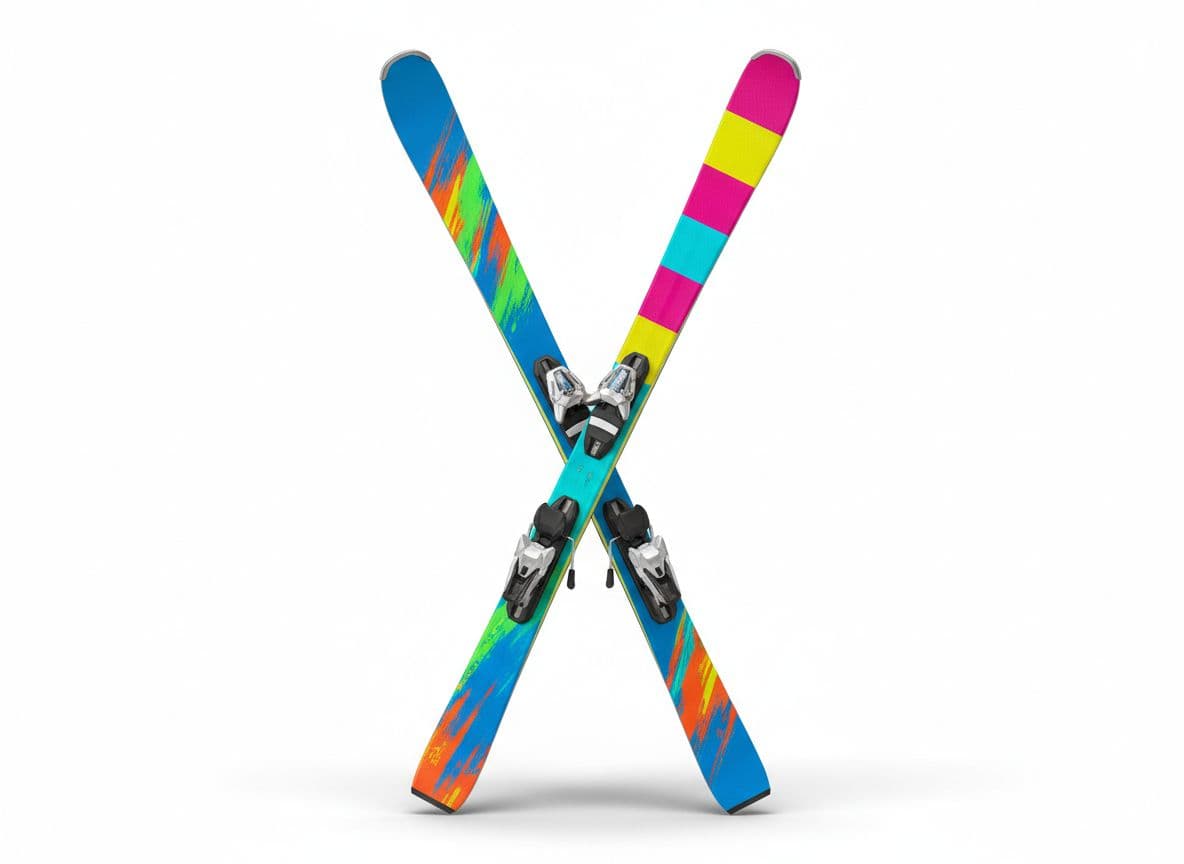
New skis cost $400-$1,200+ for quality models, making the used market very active among budget-conscious skiers, beginners, and families with growing children. Used skis typically sell for 30-60% of retail within the first 2 seasons, dropping to 15-30% after 3-5 seasons. Ski technology evolves rapidly. Rocker profiles, lightweight cores, and construction innovations make older skis noticeably less desirable. However, premium and specialty skis hold value better than budget models. The binding situation is critical: modern bindings have indemnified status (manufacturer-supported) for approximately 10 years, after which many shops refuse to adjust or mount them, effectively making the skis harder to sell. Understanding your skis' model year, binding status, and condition is essential for realistic pricing.
Key Factors That Affect Skis Value
Understanding what drives the price of skis helps you get the most accurate valuation.
Brand & Model Tier
Expert-level skis from premium brands (Volkl, Blizzard, Nordica Enforcer, Salomon QST) hold value best. 40-55% of retail in the first 2 years. Mid-range all-mountain skis (Rossignol Experience, K2 Mindbender, Atomic Vantage) hold 30-45%. Entry-level and rental-grade skis depreciate fastest. 20-30% of retail after one season. Limited edition and pro-model skis can maintain premium pricing among enthusiasts.
Age & Technology
Skis less than 2 seasons old hold the most value. Current technology and binding indemnification make them easy to sell. 3-5 year old skis are still sellable but at significant discount. Skis older than 5-7 years have limited resale value ($50-$150) unless collectible. Binding indemnification expiration (typically 8-10 years from manufacture) is a hard cutoff for many buyers. Modern features like rocker, lightweight cores, and carbon reinforcement matter.
Condition & Base/Edge Wear
Base condition is critical. Deep gouges, core shots, and heavy edge wear reduce value significantly. Light scratches and surface marks are normal and expected. Edges should be intact without cracks or major burrs. A recent professional tune (edge sharpening, base grind, wax) adds perceived value. Topsheet delamination or chipping is cosmetic but signals heavy use. Never-mounted skis (still in wrapper) command near-retail prices.
Bindings Included
Skis sold with compatible, indemnified bindings are worth 30-50% more than bare skis. Binding brand, model, and DIN range affect value. Higher DIN bindings suit advanced skiers. Integrated binding systems (specific to the ski) are preferred for convenience. Older bindings past their indemnification date reduce overall value. Touring bindings (Marker Kingpin, Dynafit, Shift) add significant value to backcountry setups.
Ski Type & Length
All-mountain skis (80-100mm waist) have the broadest resale market. Powder skis (100mm+ waist) appeal to a narrower audience. Carving skis and race skis sell well in regions with groomed terrain. Cross-country skis have a separate, smaller market.common lengths (160-180cm) sell faster. Extremely short or long sizes limit the buyer pool. Women's-specific skis sell well in the women's used market.
Tips for Valuing Skis
Get the most accurate valuation by following these tips when photographing your skis.
Photograph the skis flat showing the full topsheet, brand, and model name
Show close-ups of the bases and edges to demonstrate condition
Include the bindings in photos and note the brand, model, and DIN range
List the ski length, waist width, and model year. These are the first details buyers check
Skis Market Insights
The used ski market is highly seasonal. Prices peak in October-December as the season begins and drop sharply in March-April. Selling in pre-season gets 20-30% higher prices than post-season. Local ski swaps and consignment shops are the traditional selling channels. Many ski communities host annual swap events each fall. Online platforms include eBay, Facebook Marketplace ski groups, and specialty sites like SidelineSwap. Ski-specific forums (TGR, EpicSki) have active classified sections where knowledgeable buyers shop. Demo and rental fleet skis from shops flood the market each spring at 40-60% off retail. This sets a price ceiling for used retail skis. The family market is huge. Parents buying for growing kids drive significant used ski volume at the 3-7 year old, $50-$200 price point.
Notable Skis Values
Real-world examples of what specific skis have sold for, so you can benchmark your own.
| Ski | Condition | Typical Value |
|---|---|---|
| Rossignol Black Ops 98 (current model) | Used | $200 - $450 |
| K2 Mindbender 108Ti (current model) | Used | $250 - $500 |
| Volkl Mantra M6 (recent season) | Used | $300 - $550 |
| Atomic Bent Chetler 100 (used, older season) | Used | $150 - $300 |
| Head Kore 99 (used, 1-2 seasons) | Used | $200 - $420 |
| Line Blade Optic 96 (new, sealed in wrap) | New/Unused | $500 - $750 |
| Blizzard Brahma 88 (older model, worn edges) | Worn | $50 - $150 |
| Faction Dictator 3.0 (current, lightly used) | Lightly Used | $280 - $480 |
| Vintage Kneissl White Star Racing Skis (1970s-80s) | Collectible/Display | $40 - $200 |
Based on eBay sold listings, ski swap market data, and specialty ski resale platforms such as SidelineSwap.
Find Out What Your Skis Are Worth
Upload a photo now and get a free AI-powered valuation in seconds. No sign-up required.
Skis Valuation FAQ
How much are used skis worth?
Current-season demo or lightly used premium skis: $300-$600. 1-2 year old mid-range skis with bindings: $200-$400. 3-5 year old skis in good condition: $100-$250. Skis older than 5 years: $50-$150 unless premium/collectible. Entry-level and rental-grade skis depreciate to $50-$100 quickly. Bindings, condition, and season timing significantly affect these ranges.
When is the best time to sell skis?
October through early December is the prime selling window. Buyers are gearing up for the season and willing to pay more. September is good for early-bird buyers. January-February is okay for mid-season needs. March-April prices drop as the season ends. May-August is the worst time. Wait until fall if possible. Ski swaps typically happen in October-November.
What does binding indemnification mean for resale?
Binding manufacturers 'indemnify' (insure and support) bindings for approximately 8-10 years from manufacture. After this period, most ski shops refuse to adjust, test, or remount the bindings for liability reasons. Skis with expired bindings are harder to sell because buyers must purchase new bindings. Check your binding's manufacture date and the brand's indemnification list to determine status.
Should I sell skis with or without bindings?
Sell with bindings if they are indemnified and in working condition. This significantly increases value and buyer convenience. If bindings are expired or damaged, consider selling skis without bindings (flat) since buyers may prefer to mount their own. Integrated system bindings should always be sold with the ski. Touring bindings (Dynafit, Shift, Kingpin) add substantial value and should always be included.
Are old skis worth anything?
Functionally, skis older than 7-10 years have minimal resale value ($25-$75) due to outdated technology and binding issues. However, vintage wooden skis from the 1940s-1970s sell as decorative items for $50-$200. Rare vintage racing skis and early fiberglass models are collected. Antique bamboo poles and leather boots have separate collector markets. Most old skis from the 1990s-2000s have no meaningful value.
Value anything, anytime
Unlimited valuations, saved history and full reports in the free app.