Last updated: September 2026
How Much Is My Exercise Equipment Worth?
Whether you have a Peloton bike or tread, a NordicTrack treadmill, a Bowflex home gym, free weights, a power rack, or any other fitness equipment, our AI analyzes the brand, model, age, and condition to provide an accurate market valuation. From pandemic home gyms to commercial-grade equipment, get the right price before selling.
Get the free app for unlimited scans


Compare real prices
See what exercise equipment are listed for right now
Affiliate link: we earn a commission if you buy, at no extra cost to you.
What do you want to value?
Get the free app for unlimited scans
Why Knowing Your Exercise Equipment Value Matters
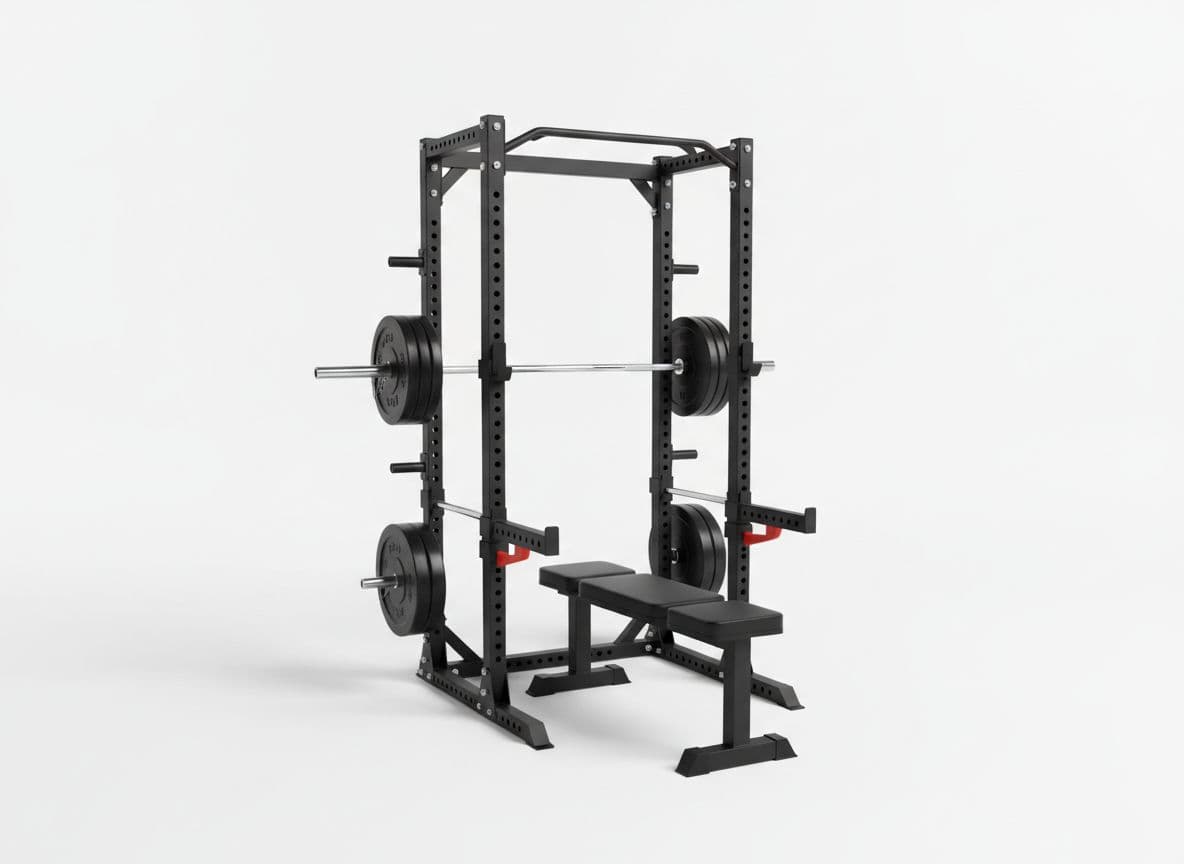
The home fitness equipment market experienced a massive boom during the pandemic, followed by a significant correction as gyms reopened. This created a unique market dynamic. Millions of people purchased expensive equipment that is now sitting unused. A Peloton Bike that sold for $1,495 (or $2,495 for the Bike+) now resells for $400-$900 depending on model and condition.commercial-quality power racks, Olympic weight sets, and specialty equipment (Rogue, REP Fitness, Titan) hold value better than consumer-grade machines. Treadmills from NordicTrack, ProForm, and Sole depreciate significantly once the novelty wears off. The irony is that while many cardio machines have crashed in value, quality strength equipment (Olympic plates, power racks, dumbbells) has maintained strong resale prices because iron does not become obsolete. Understanding which category your equipment falls into.commodity cardio vs. durable strength equipment. Is the key to realistic pricing.
Key Factors That Affect Exercise Equipment Value
Understanding what drives the price of exercise equipment helps you get the most accurate valuation.
Equipment Type
Strength equipment (power racks, Olympic barbells, weight plates, dumbbells) holds value best. 50-70% of retail for quality brands. Peloton and connected fitness bikes have stabilized at 30-50% of original retail. Treadmills depreciate heavily. Expect 25-40% of retail for major brands. Rowing machines (Concept2) hold exceptional value at 60-80% of retail. Ellipticals and all-in-one home gyms depreciate the most.
Brand & Quality
Rogue Fitness is the gold standard for home gym equipment and commands premium resale prices. REP Fitness, Titan Fitness, and Sorinex also hold value well. Concept2 rowers and Assault bikes are the most liquid pieces of cardio equipment. Peloton has brand recognition but excess supply has depressed prices.commercial brands (Life Fitness, Precor, Cybex) hold moderate value for garage gym buyers seeking durability.
Condition & Age
Unlike electronics, well-maintained fitness equipment can last decades with minimal degradation. Weight plates and barbells are essentially ageless. Cardio machines with low-hour screens, smooth belts, and quiet motors command premiums. Rust on metal equipment reduces value. Upholstery condition on benches and pads matters cosmetically. A piece of equipment that looks and functions like new is worth significantly more than one showing heavy use.
Subscription & Connectivity
Connected fitness equipment (Peloton, NordicTrack iFit, Mirror/Lululemon Studio) loses value as subscription models evolve. Buyers factor in ongoing monthly subscription costs ($12-$44/month). Equipment that functions well without a subscription (like Peloton in 'Just Ride' mode) is more attractive. Traditional equipment with no subscription requirement avoids this depreciation factor entirely.
Weight & Logistics
Heavy equipment (power racks, plate sets, treadmills) is difficult and expensive to ship, making the market primarily local. This works both ways. Local scarcity can support higher prices, but a limited buyer pool can require patience. Equipment that is easy to disassemble and transport sells faster. A complete home gym package (rack, barbell, plates, bench) may sell for more as a package than individual pieces if the buyer wants a turnkey setup.
Tips for Valuing Exercise Equipment
Get the most accurate valuation by following these tips when photographing your exercise equipment.
Photograph the equipment from multiple angles showing the full setup, brand markings, and overall condition
Include close-ups of any screens, displays, or electronics showing they power on and function
Show the model number label and any specification plates. These identify exact model and weight capacity
For heavy equipment, mention whether you can help with loading or if the buyer needs to arrange their own transport
Exercise Equipment Market Insights
The used fitness equipment market has largely stabilized after the pandemic boom-and-bust cycle. Facebook Marketplace dominates local sales for large equipment. OfferUp and Craigslist are also active. Specialized platforms like the Garage Gym Reviews community and r/homegym on Reddit facilitate sales among knowledgeable buyers. Concept2 rowers are the single most liquid piece of fitness equipment. They sell within days at 60-80% of retail. Rogue Fitness equipment holds strong value due to brand reputation and high new prices. The Peloton market has stabilized at lower prices but remains active. The commercial gym equipment market (for commercial operators buying used) is separate and handled through specialty dealers. If you are selling, January and early spring see the highest demand as New Year's resolution buyers seek equipment.
Notable Exercise Equipment Values
Real-world examples of what specific exercise equipment have sold for, so you can benchmark your own.
| Exercise Equipment | Condition | Typical Value |
|---|---|---|
| Peloton Bike (Original/Bike+) | Used | $200 - $800 |
| NordicTrack Commercial 1750 Treadmill | Used | $400 - $900 |
| Bowflex SelectTech 552 Adjustable Dumbbells (pair) | Used | $150 - $300 |
| York Barbell Cast Iron Weight Set (300 lb) | Used | $150 - $400 |
| Concept2 Model D Rowing Machine | Used | $500 - $900 |
| Life Fitness 95T Treadmill (commercial grade) | Used | $800 - $2,500 |
| TRX Pro Suspension Trainer | Used | $40 - $100 |
| Rogue RML-490C Power Rack | Used | $600 - $1,200 |
| Standard Chrome Barbell (7-foot, 45 lb) | Used | $30 - $80 |
Based on eBay sold listings, Facebook Marketplace comps, and Craigslist secondary market data.
Find Out What Your Exercise Equipment Are Worth
Upload a photo now and get a free AI-powered valuation in seconds. No sign-up required.
Exercise Equipment Valuation FAQ
How much is a used Peloton worth?
A Peloton Bike (original) sells for $400-$700 used. The Peloton Bike+ sells for $600-$1,000. Peloton Tread sells for $800-$1,500. Peloton Row sells for $1,200-$2,000. Prices have stabilized significantly below original retail but remain steady. Condition of the screen, frame, and accessories affects value. Include the shoes, weights, and mat if you have them. They add $50-$100 in perceived value.
What exercise equipment holds value best?
Concept2 rowing machines hold value best (60-80% of retail). Rogue Fitness power racks and barbells retain 50-70%. Olympic weight plates (especially calibrated competition plates) hold 60-80% of value. Adjustable dumbbells (PowerBlock, Bowflex SelectTech) hold 50-60%. Quality flat and adjustable benches hold 50-65%. The common thread is durable, non-electronic equipment from premium brands.
When is the best time to sell exercise equipment?
January through March is peak demand. New Year's resolution buyers are actively seeking equipment. Prices can be 15-25% higher than mid-year. September also sees a bump as fall motivation increases. Summer is the slowest period. If you are buying, summer offers the best deals. Peloton and connected fitness equipment follows this pattern even more dramatically, with January being the strongest selling month.
Should I sell equipment individually or as a complete gym?
It depends on your setup. A cohesive home gym package (matching rack, barbell, plates, bench) can sell as a package for a premium to buyers wanting a turnkey setup. However, individual high-value pieces (Concept2 rower, Rogue rack, specialty equipment) often bring more sold separately because they reach targeted buyers. Mix-and-match collections of different brands and quality levels are usually better sold individually.
Is my treadmill worth selling or should I just junk it?
Quality treadmills from NordicTrack (2400 series and above), Sole, Life Fitness, and Precor are worth selling. Expect $200-$800 depending on model and condition. Budget treadmills (under $500 new) from generic brands may only bring $50-$150 and may not be worth the effort of listing and coordinating pickup. Non-functional treadmills have minimal value. If your treadmill works but is a basic model, pricing it at $100-$200 for a quick local sale is realistic.
Value anything, anytime
Unlimited valuations, saved history and full reports in the free app.