Last updated: September 2026
How Much Is My Kayak Worth?
Whether you have a fishing kayak, touring kayak, sit-on-top recreational kayak, whitewater kayak, or inflatable kayak, our AI analyzes the brand, model, type, and condition to provide an accurate market valuation. Get the right price before selling or upgrading your paddling gear.
Get the free app for unlimited scans


Compare real prices
See what kayaks are listed for right now
Affiliate link: we earn a commission if you buy, at no extra cost to you.
What do you want to value?
Get the free app for unlimited scans
Why Knowing Your Kayaks Value Matters
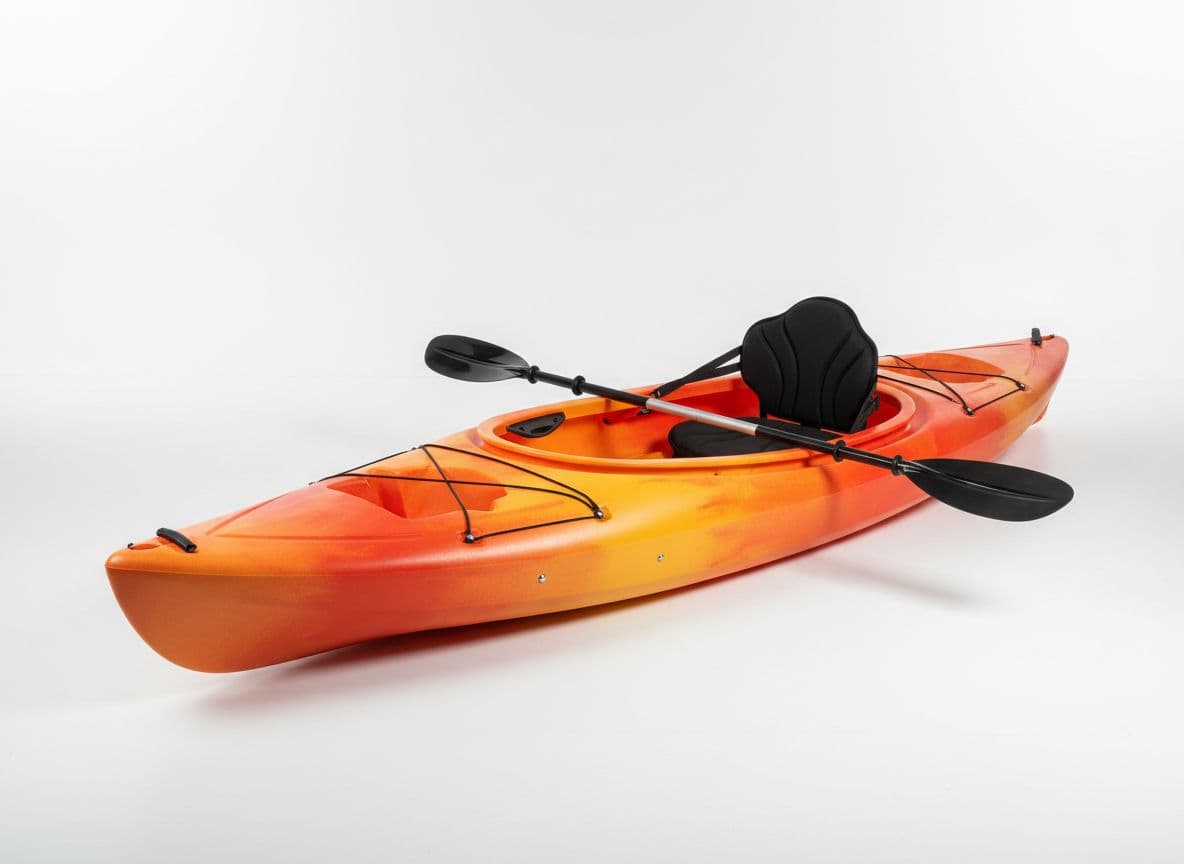
Kayaks hold value remarkably well compared to many recreational items. A quality kayak purchased for $800-$1,500 can retain 50-70% of its value for years because kayaks do not have engines, electronics, or mechanical systems that wear out or become obsolete. The main depreciation factor is cosmetic wear (UV fading, scratches) and hull integrity. Premium brands like Hobie, Old Town, Wilderness Systems, and Perception hold their value better than budget kayaks from big-box stores. The fishing kayak segment has exploded in popularity, with pedal-drive models from Hobie, Old Town, and Native Watercraft commanding particularly strong resale prices ($1,000-$2,500+ used). Many kayaks are purchased enthusiastically and then rarely used, creating a healthy supply of barely-used kayaks on the secondary market. If you are upgrading, downsizing, or selling a kayak that has been collecting dust in the garage, accurate valuation helps you price competitively in a market where buyers are savvy and comparison shop across multiple platforms.
Key Factors That Affect Kayaks Value
Understanding what drives the price of kayaks helps you get the most accurate valuation.
Brand & Model
Hobie commands the highest resale values, especially MirageDrive pedal kayaks (Outback, Pro Angler, Compass). Old Town and Wilderness Systems hold strong value for both fishing and touring models. Perception and Dagger are solid mid-tier brands. Budget brands (Pelican, Sun Dolphin, Lifetime) depreciate faster and are worth less. High-end touring brands (P&H, Valley, Current Designs, Epic) have niche markets with premium values.
Type & Propulsion
Pedal-drive fishing kayaks (Hobie MirageDrive, Old Town PDL, Native Propel) are the most valuable segment due to high new prices ($2,000-$5,000+). Motorized kayaks add another value tier. Traditional paddle kayaks are less expensive but hold value proportionally well. Sit-on-top models have broader appeal than sit-inside models in most markets. Tandem kayaks have a smaller but dedicated buyer pool. Inflatable kayaks have limited resale value.
Condition & Hull Integrity
Hull condition is the primary value factor. Deep gouges, cracks, and oil-canning (warping) reduce value significantly. Minor scratches are normal and expected. UV fading and sun damage reduce both appearance and structural integrity. Polyethylene (rotomolded) kayaks fade and weaken with sun exposure over years.composite (fiberglass, carbon) kayaks are more fragile but repairable and hold value well when intact. Seat condition, hatch seals, and rudder/skeg function matter for higher-end models.
Accessories & Rigging
Fishing kayak accessories add significant value. Rod holders, fish finders, anchor trolleys, crate systems, and live wells can add $200-$500+ to the sale price. Kayak-specific electronics (Garmin, Lowrance fish finders) add measurable value. Paddle quality matters. A $200 premium carbon paddle adds value, while a $30 basic paddle does not. PFDs, spray skirts, and other accessories add modest value if included.
Storage & Transport Equipment
A quality kayak cart, roof rack system, or trailer adds convenience value. Cockpit covers and UV-protective storage covers suggest good maintenance. Wall or ceiling mount storage systems do not transfer value but indicate the kayak was properly stored. A kayak that has been stored indoors or under cover is worth more than one left in the sun year-round.
Tips for Valuing Kayaks
Get the most accurate valuation by following these tips when photographing your kayaks.
Photograph the kayak from the side, top, and both ends showing the hull shape, color, and overall condition
Include close-ups of any scratches, gouges, or repairs on the hull. Especially the bottom where wear is most visible
Show the cockpit or deck area with seats, hatches, rigging, and any installed accessories or electronics
Photograph the hull identification number (HIN) on the stern. This shows the manufacturer, model, and year of production
Kayaks Market Insights
The used kayak market is primarily local due to the difficulty and cost of shipping large kayaks. Facebook Marketplace and Craigslist dominate kayak resale. Dedicated Facebook groups for specific kayak types (fishing kayak swap, touring kayak classifieds) connect sellers with targeted buyers. The fishing kayak segment has driven the most market growth, with Hobie Pro Anglers and Old Town Sportsman models selling quickly at strong prices. The recreational sit-on-top segment is the most price-sensitive, with budget options from Pelican and Lifetime creating price competition. Seasonal patterns are strong. Kayaks sell for 10-20% more in spring and early summer than in fall and winter. The paddlesports industry overall has grown significantly, creating consistent demand for quality used kayaks. If you are selling, clean your kayak thoroughly, photograph it on land and ideally on water, and list it in early spring for maximum value.
Notable Kayaks Values
Real-world examples of what specific kayaks have sold for, so you can benchmark your own.
| Kayak | Condition | Typical Value |
|---|---|---|
| Old Town Canoe & Kayak Sportsman 106 | Used | $400 - $700 |
| Wilderness Systems Tarpon 120 | Used | $500 - $900 |
| Perception Pescador Pro 12 | Used | $350 - $650 |
| Jackson Kayak Cuda 14 | Used | $700 - $1,200 |
| Dagger Mamba Creeker 8.6 | Used | $500 - $900 |
| Current Designs Solstice GT Touring | Used | $800 - $1,500 |
| Hobie Mirage Pro Angler 14 | Used | $1,500 - $2,800 |
| Valley Nordkapp Composite Sea Kayak | Used | $1,200 - $2,500 |
| Inflatable Intex Explorer K2 | Used | $50 - $120 |
Based on eBay sold listings, Craigslist/Facebook Marketplace comps, and paddling forum resale threads; prices vary by region and condition.
Find Out What Your Kayaks Are Worth
Upload a photo now and get a free AI-powered valuation in seconds. No sign-up required.
Kayaks Valuation FAQ
How much do used kayaks typically sell for?
Budget recreational kayaks (Pelican, Lifetime) sell for $100-$300 used. Mid-range kayaks (Perception, Wilderness Systems) bring $300-$700. Premium fishing kayaks (Hobie, Old Town PDL) sell for $1,000-$3,000+. High-end touring kayaks can bring $800-$2,500. The biggest factor is whether it is a pedal-drive or paddle kayak, followed by brand and condition.
Do kayaks hold their value?
Quality kayaks hold value well because they have no engines or electronics to fail or become obsolete. A well-maintained kayak from a premium brand typically retains 50-70% of its value for 5-10+ years. Hobie pedal kayaks are the best value holders. Budget kayaks from big-box stores depreciate more. Expect 30-40% of retail after a few years. Sun damage is the biggest value reducer for long-term ownership.
When is the best time to sell a kayak?
Spring (March through May) is the best selling season as paddlers prepare for warm weather. Prices are 10-20% higher in spring compared to fall or winter. Listing in late February or early March captures early-season buyers. Fall is the worst time to sell, though you may find buyers looking for off-season deals. In warm-climate states (Florida, Texas, California), seasonal variation is less pronounced.
How do I ship a kayak if the buyer is not local?
Kayak shipping typically costs $150-$400 depending on size and distance. Freight carriers (uShip, FedEx Freight) handle oversized items. Many sellers and buyers prefer local pickup to avoid shipping complications. If shipping, use the kayak's cockpit for packing materials and accessories, wrap the hull in moving blankets, and use a freight-rated box or custom crating. For high-value kayaks, the shipping cost is manageable; for budget kayaks, shipping often exceeds the kayak's value.
Can I add accessories to increase my kayak's sale value?
Functional fishing accessories (rod holders, fish finders, anchor systems) add value to fishing kayaks. However, do not invest in new accessories just to sell. You rarely recoup 100% of accessory costs. If you already have quality accessories installed, include them and price accordingly. Selling a kayak fully rigged for fishing appeals to buyers who want a turnkey setup. Basic accessories like paddles and PFDs add modest convenience value.
Value anything, anytime
Unlimited valuations, saved history and full reports in the free app.