Last updated: September 2026
How Much Is My Baseball Glove Worth?
Whether you have a vintage Rawlings Heart of the Hide, a Wilson A2000, a Mizuno Pro, or a classic old mitt, our AI analyzes the brand, model, era, and condition to provide an accurate market valuation. From game-used professional gloves to broken-in classic mitts, get the right price before selling.
Get the free app for unlimited scans


Compare real prices
See what baseball gloves are listed for right now
Affiliate link: we earn a commission if you buy, at no extra cost to you.
What do you want to value?
Get the free app for unlimited scans
Why Knowing Your Baseball Gloves Value Matters
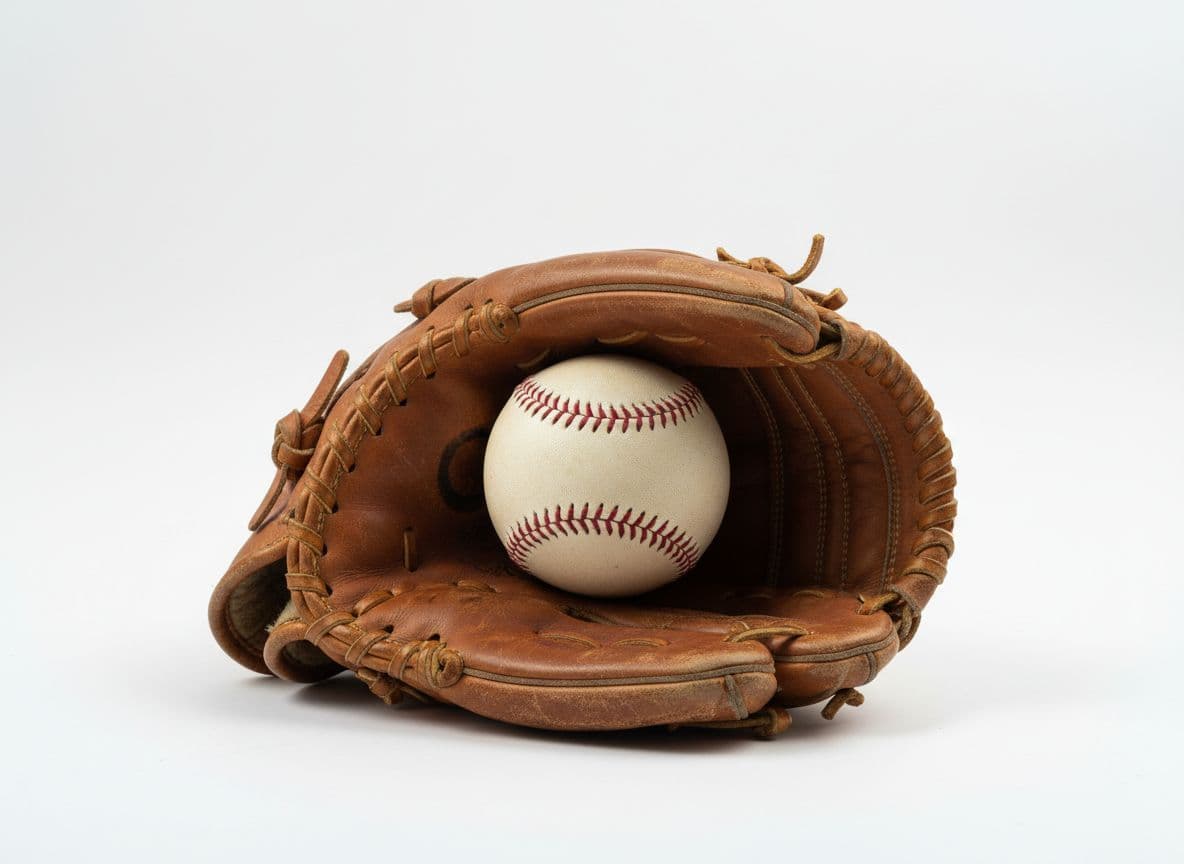
Baseball gloves span a fascinating value range that most people do not appreciate. A vintage pre-war glove from the 1920s-1940s can be worth $100-$2,000+, and game-used gloves from professional players can sell for $500-$50,000+ depending on the player. Modern professional-quality gloves from Rawlings Heart of the Hide, Wilson A2000/A2K, and Mizuno Pro hold 40-60% of their $200-$400 retail value on the used market. The leather quality, break-in condition, and model specifically impact value. Many baseball players prefer a well-broken-in used glove over a stiff new one, creating strong demand for game-ready mitts. Vintage gloves have a dedicated collector community that values era, brand, model, and player endorsement. Many families have old baseball gloves in attics and basements without realizing that some vintage models are collectible. Whether you have a modern pro-level glove you have outgrown or an inherited vintage mitt from the golden age of baseball, understanding the market ensures you get fair value.
Key Factors That Affect Baseball Gloves Value
Understanding what drives the price of baseball gloves helps you get the most accurate valuation.
Brand & Model
Rawlings Heart of the Hide and Pro Preferred are the most valued modern gloves ($100-$250 used). Wilson A2000 and A2K are equally sought-after. Mizuno Pro Limited models hold strong value. Nokona (American-made leather) has a premium niche. Budget brands (Franklin, Louisville Slugger entry-level, Easton entry-level) have limited resale. For vintage gloves, pre-war brands (Reach, Spalding, D&M) and early Rawlings and Wilson models are most collectible.
Condition & Break-In
For modern gloves, a well-broken-in glove in good leather condition is actually worth MORE than an unbroken-in glove to many players. A game-ready pocket with solid leather is ideal. Lace condition (intact, not dry or cracked), web integrity, padding condition, and overall leather suppleness are key. For vintage gloves, overall condition, original lacing, and patina are valued by collectors. Dried-out, cracked, or torn leather significantly reduces value in both markets.
Size & Position
Outfield gloves (12.75 inches) and infield gloves (11.25-11.75 inches) have the broadest market. First base mitts and catcher's mitts serve narrower markets. Youth sizes have lower absolute values. Professional-pattern gloves built to MLB player specifications are more valuable than standard retail patterns. Left-hand throw (LHT) gloves serve a smaller market and may sell for slightly less than right-hand throw equivalents.
Vintage & Historical Value
Pre-1940 baseball gloves are collectible as historical artifacts. Gloves from the 1920s-1930s with small webbing and minimal padding have nostalgic and display value ($50-$500+). Player-endorsed models (Mickey Mantle, Willie Mays, Ted Williams) command premiums regardless of actual use. Game-used professional gloves with authentication are the most valuable. A game-used glove from a Hall of Famer can sell for thousands to tens of thousands of dollars.
Customization & Provenance
Custom-ordered gloves with specific color combinations and personal embossing have limited resale since they are taste-specific. Pro stock gloves (made for professional players but sold through secondary channels) command premiums for their superior leather and construction. Gloves with documented provenance. Especially game-used or player-connection documentation. Are worth significantly more. Store model gloves with retail tags still attached have modest collector value for display.
Tips for Valuing Baseball Gloves
Get the most accurate valuation by following these tips when photographing your baseball gloves.
Photograph the glove palm-up showing the pocket shape, web, and break-in pattern
Include close-ups of the brand stamp, model number, and any player endorsement markings
Show the back of the glove including lacing condition, finger stalls, and wrist adjustment
For vintage gloves, photograph any labels, stamps, or markings that identify the era and model
Baseball Gloves Market Insights
The baseball glove market is active on eBay, Facebook baseball equipment groups, and SidelineSwap. eBay is the best platform for vintage gloves where collectors search for specific models and eras. The modern used glove market is driven by players at all levels seeking game-ready gloves at below-retail prices. The premium leather glove market (Heart of the Hide, A2000/A2K, Mizuno Pro) is the strongest segment, with well-broken-in gloves selling quickly. The vintage glove collecting community is passionate but niche. Value depends heavily on finding the right collector. Baseball card shows and memorabilia events are good venues for vintage gloves. The growing custom glove market (44 Pro, Absolutely Ridiculous, Glove Works) has created interest in premium glove brands beyond the traditional Big Three. Seasonal demand follows baseball. Spring and early summer are the best selling periods.
Notable Baseball Gloves Values
Real-world examples of what specific baseball gloves have sold for, so you can benchmark your own.
| Baseball Glove | Condition | Typical Value |
|---|---|---|
| Rawlings Heart of the Hide (current production, 11.5-12") | Used / Game Ready | $150 - $350 |
| Wilson A2000 (current production, various positions) | Used | $100 - $280 |
| Rawlings PRO303 (Derek Jeter pattern, current) | Near Mint | $300 - $500 |
| Rawlings vintage 1950s-60s store-model glove (Dick Stuart, Mickey Mantle endorsement) | Used / Displayed | $40 - $200 |
| Rawlings HOH game-used glove signed by MLB star (authenticated) | Authenticated / Game Used | $500 - $3,000+ |
| Wilson A2000 1786 (infield, new in bag) | New / Unused | $220 - $320 |
| Nokona American Legend (handcrafted, USA-made) | Near Mint | $350 - $600 |
| Pre-war 1930s-40s leather fielder's glove (no-name or store brand) | Good / Displayed | $20 - $150 |
| Rawlings or Wilson catcher's mitt used by named HOF catcher (authenticated) | Authenticated / Game Used | $1,500 - $10,000+ |
Based on eBay sold listings, major auction house records (Heritage, SCP), and dealer price guides for sports memorabilia and equipment.
Find Out What Your Baseball Gloves Are Worth
Upload a photo now and get a free AI-powered valuation in seconds. No sign-up required.
Baseball Gloves Valuation FAQ
Are old baseball gloves worth money?
Some are quite valuable. Pre-1940 gloves from the early era of baseball can sell for $100-$2,000+ depending on condition, brand, and player endorsement. Gloves endorsed by famous players (Babe Ruth, Lou Gehrig, Mickey Mantle) even in standard retail versions can command premiums. However, common gloves from the 1970s-1990s have limited collector value ($10-$40) unless they are high-end professional models in excellent condition.
How much is a used Rawlings Heart of the Hide worth?
A used Rawlings Heart of the Hide in good, broken-in condition typically sells for $100-$200. About 40-60% of the $250-$350 retail price. Pro Preferred models command slightly more. A well-broken-in glove with a perfect pocket can actually sell near the higher end of this range because many players prefer a game-ready glove over a stiff new one. Condition of the leather, lacing, and web determines the specific value.
Is a broken-in glove worth more or less than a new one?
For players buying a game glove, a well-broken-in glove in good leather condition can be worth nearly as much as new. Sometimes more, because breaking in a premium glove properly takes weeks of effort. A perfectly shaped pocket is valuable. However, an over-broken-in glove with loose, floppy leather, or one broken in poorly (bad pocket shape) is worth less. For collectors, new-in-packaging gloves have different appeal.
Where is the best place to sell baseball gloves?
eBay is the best platform for vintage and collectible gloves. It reaches the broadest audience of collectors. SidelineSwap specializes in sports equipment and works well for modern gloves. Facebook baseball equipment groups connect you with players seeking specific models. Local sporting goods consignment shops accept quality gloves. For game-used or authenticated memorabilia gloves, sports memorabilia auction houses and shows achieve the best prices.
How can I tell if my old glove is valuable?
Check for a brand name (Rawlings, Wilson, Spalding, Reach, D&M) and any player endorsement. Pre-1950 gloves with small webs and minimal padding have historical value. Look for model numbers and compare with sold listings on eBay. Professional-grade leather and construction quality indicate higher-tier gloves. If the glove has any connection to a professional player (game-used, autographed, or endorsed by a Hall of Famer), it may have significant memorabilia value worth professional appraisal.
Value anything, anytime
Unlimited valuations, saved history and full reports in the free app.