Last updated: September 2026
How Much Are My Golf Clubs Worth?
Whether you have a complete set, a single premium driver, classic blade irons, or a Scotty Cameron putter, our AI identifies the brand, model, and condition to estimate current market value. Get a fair price before trading in at a pro shop, selling on eBay, or upgrading your bag.
Get the free app for unlimited scans


Compare real prices
See what golf clubs are listed for right now
Affiliate link: we earn a commission if you buy, at no extra cost to you.
What do you want to value?
Get the free app for unlimited scans
Why Knowing Your Golf Clubs Value Matters
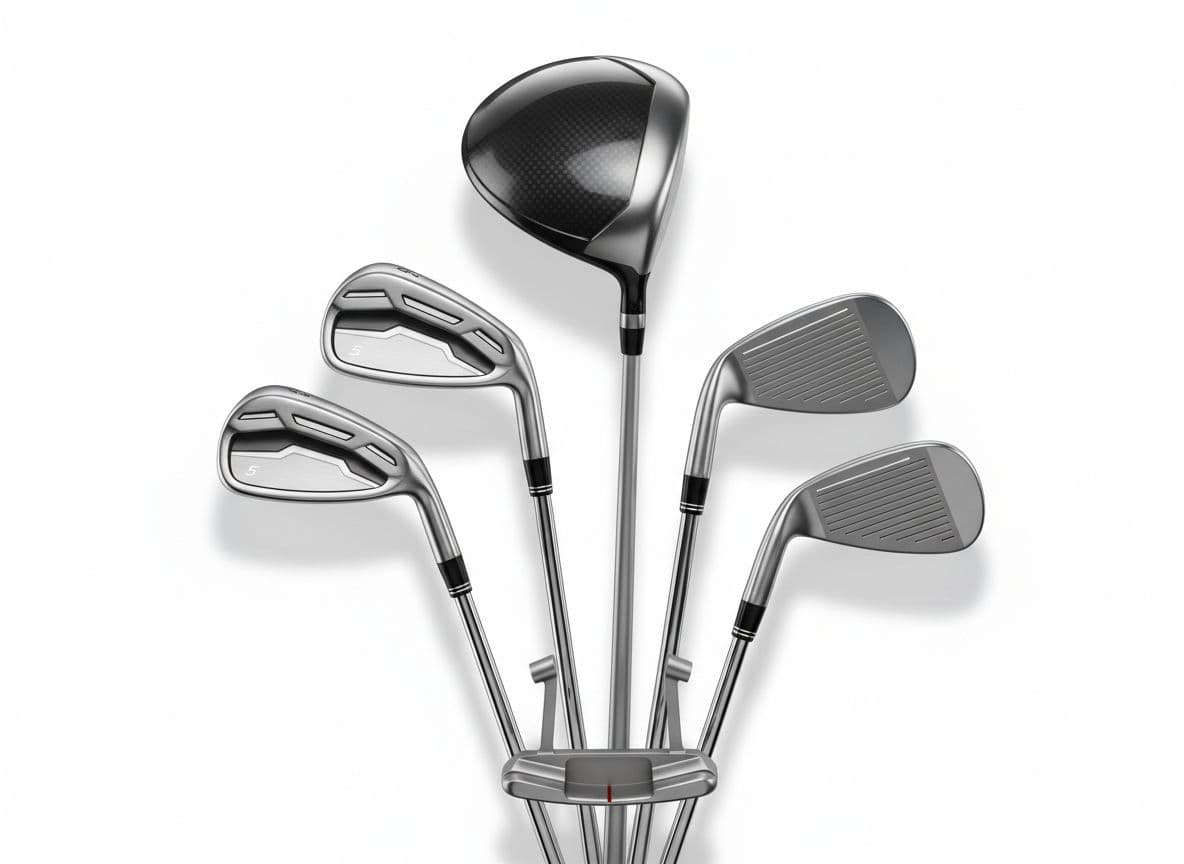
Golf equipment depreciates quickly as manufacturers release new models annually, but many clubs retain surprising value. Especially popular models from top brands. A set of Titleist AP2 irons or a TaylorMade Stealth driver from a few seasons ago can still be worth hundreds of dollars. Meanwhile, trade-in programs at retailers like Golf Galaxy or 2nd Swing often pay less than what you could get selling privately. Knowing the actual market value of your clubs prevents you from leaving money on the table when trading in, and helps you set realistic prices when selling. Vintage and collectible clubs. Persimmon woods, classic Ping Eye2 irons, or rare Scotty Cameron putters. Can be worth far more than their original retail price to the right collector.
Key Factors That Affect Golf Clubs Value
Understanding what drives the price of golf clubs helps you get the most accurate valuation.
Brand & Model
Top brands like Titleist, TaylorMade, Callaway, Ping, and Mizuno hold value best. Within brands, flagship models (Titleist TSR drivers, TaylorMade Qi irons, Ping G430 series) retain more value than budget lines. Scotty Cameron putters are especially sought-after, with some limited editions selling for $1,000-$10,000+.
Age & Model Year
Golf clubs typically lose 20-40% of their value within the first year and continue depreciating as newer models launch. However, the depreciation curve flattens after 3-5 years. Clubs older than 10-15 years generally have minimal resale value unless they are collectible vintage models or highly regarded designs like the Ping Anser putter.
Condition & Wear
Grooves, face wear, shaft condition, and grip condition all impact value. Clubs rated 'Like New' or 'Very Good' command 20-40% premiums over 'Average' condition. Deep scratches on faces, worn grooves (check with a groove sharpness tool), dented hosels, and damaged shafts significantly reduce value. Re-gripping does not add much value but shows the clubs were maintained.
Shaft & Specifications
Premium aftermarket shafts (Project X, Fujikura Ventus, Graphite Design) add value. Standard shafts in regular flex are the most liquid, while extra-stiff or ladies flex narrows the buyer pool. Left-handed clubs are worth 10-20% less than right-handed equivalents due to smaller demand. Custom length or lie adjustments do not typically add value.
Set Composition & Completeness
Complete iron sets (typically 5-PW or 4-PW) sell for more per club than individual irons. Matched sets with consistent shafts and grips are preferred. Drivers, fairway woods, and putters sell well individually. Wedges hold value well if grooves are fresh. A bag, headcovers, and original packaging add modest value to the overall sale.
Tips for Valuing Golf Clubs
Get the most accurate valuation by following these tips when photographing your golf clubs.
Photograph each club showing the full length, clubhead, and any identifying markings on the sole or hosel
Include close-ups of the clubface to show groove condition and any wear marks on the face and sole
Capture any model numbers, loft markings, and shaft labels that help identify exact specifications
Photograph the grip to show its condition. Worn grips reduce perceived value even if easily replaced
Golf Clubs Market Insights
The used golf club market is thriving, driven by the sport's post-pandemic popularity surge and the high cost of new equipment. PGA Value Guide and 2nd Swing provide trade-in benchmarks, but private sale prices on eBay, Sideline Swap, and Facebook Marketplace often exceed trade-in values by 30-50%. The hottest segments include recent-model drivers (TaylorMade, Callaway, Titleist), Scotty Cameron putters of all vintages, and premium iron sets. The vintage market for persimmon woods and classic blade irons is niche but passionate. Seasonal trends matter. Clubs sell for 10-20% more in spring as golfers gear up for the season. If you are upgrading or cleaning out the garage, pricing your clubs based on current market data ensures you get fair value.
Notable Golf Clubs Values
Real-world examples of what specific golf clubs have sold for, so you can benchmark your own.
| Golf Club | Condition | Typical Value |
|---|---|---|
| Titleist Scotty Cameron Phantom X 5 Putter | Used, Good | $200 - $450 |
| TaylorMade Stealth 2 Driver | Used, Good | $150 - $280 |
| Callaway Big Bertha Alpha 815 Driver (original) | Used | $30 - $80 |
| Ping i230 Iron Set (4-PW) | Used, Good | $500 - $850 |
| Titleist Vokey SM9 Wedge Set (3-piece) | Used, Lightly Worn | $180 - $350 |
| MacGregor Jack Nicklaus Muirfield Irons (vintage 1970s) | Used, Collector | $150 - $600 |
| Cleveland RTX 6 ZipCore Wedge (single) | Used | $40 - $90 |
| Honma Beres IS-06 Iron Set | Used, Good | $800 - $2,500+ |
| Wilson Staff Dynapower Driver (entry-level) | Used | $25 - $60 |
Based on eBay sold listings, Golf Avenue, 2nd Swing Golf, and auction records for collectible/vintage sets.
Find Out What Your Golf Clubs Are Worth
Upload a photo now and get a free AI-powered valuation in seconds. No sign-up required.
Golf Clubs Valuation FAQ
Where is the best place to sell used golf clubs?
For maximum value, sell privately on eBay, Sideline Swap, Facebook Marketplace, or local golf forums. You will typically get 30-50% more than trade-in programs. Trade-in programs at Golf Galaxy, 2nd Swing, or Callaway Pre-Owned are convenient but offer lower prices. For rare or collectible clubs, specialty golf auction sites or collector forums are best.
How much do golf clubs depreciate?
New golf clubs typically lose 20-40% of their value in the first year and 50-70% within three years. Drivers depreciate fastest due to annual new model releases. Putters hold value best, especially Scotty Cameron models. Iron sets from premium brands maintain reasonable value for 3-5 years. After about 10 years, most clubs have minimal resale value unless they are collectible.
Are old golf clubs worth anything?
Most old golf clubs from the 1990s-2000s have limited value ($5-$50 per club). However, vintage clubs from the 1960s-1980s. Persimmon drivers, classic blade irons, and early Ping putters. Can have collector value ranging from $50 to several hundred dollars each. Extremely rare clubs, prototype models, and tour-player-used equipment can be worth thousands.
Should I sell my clubs individually or as a set?
It depends on the clubs. Iron sets typically sell better as complete sets. However, drivers, putters, and premium wedges often bring more money sold individually. If you have a matched set with consistent shafts and grips, selling as a set is easier and often yields a higher total than parting it out. For mixed or incomplete sets, selling individually may be better.
Do trade-in programs give fair value?
Trade-in programs are convenient but typically pay 40-60% of what you could get selling privately. They are best when you can stack trade-in bonuses or promotional credits. Programs like Callaway Pre-Owned and 2nd Swing offer reasonable values for recent-model clubs. Always check the PGA Value Guide and eBay sold listings to know your clubs' market value before accepting a trade-in offer.
Golf Clubs Price Guides
Value anything, anytime
Unlimited valuations, saved history and full reports in the free app.