Last updated: September 2026
How Much Is Your Timeshare Worth?
Whether you have a fixed-week, floating-week, or points-based timeshare at Marriott, Hilton, Wyndham, Disney, Westgate, or any other resort, our AI analyzes the resort brand, location, season, unit size, and ownership type to provide a realistic resale valuation. Ready to sell? Know what your timeshare is actually worth.
Get the free app for unlimited scans


What do you want to value?
Why Knowing Your Timeshares Value Matters
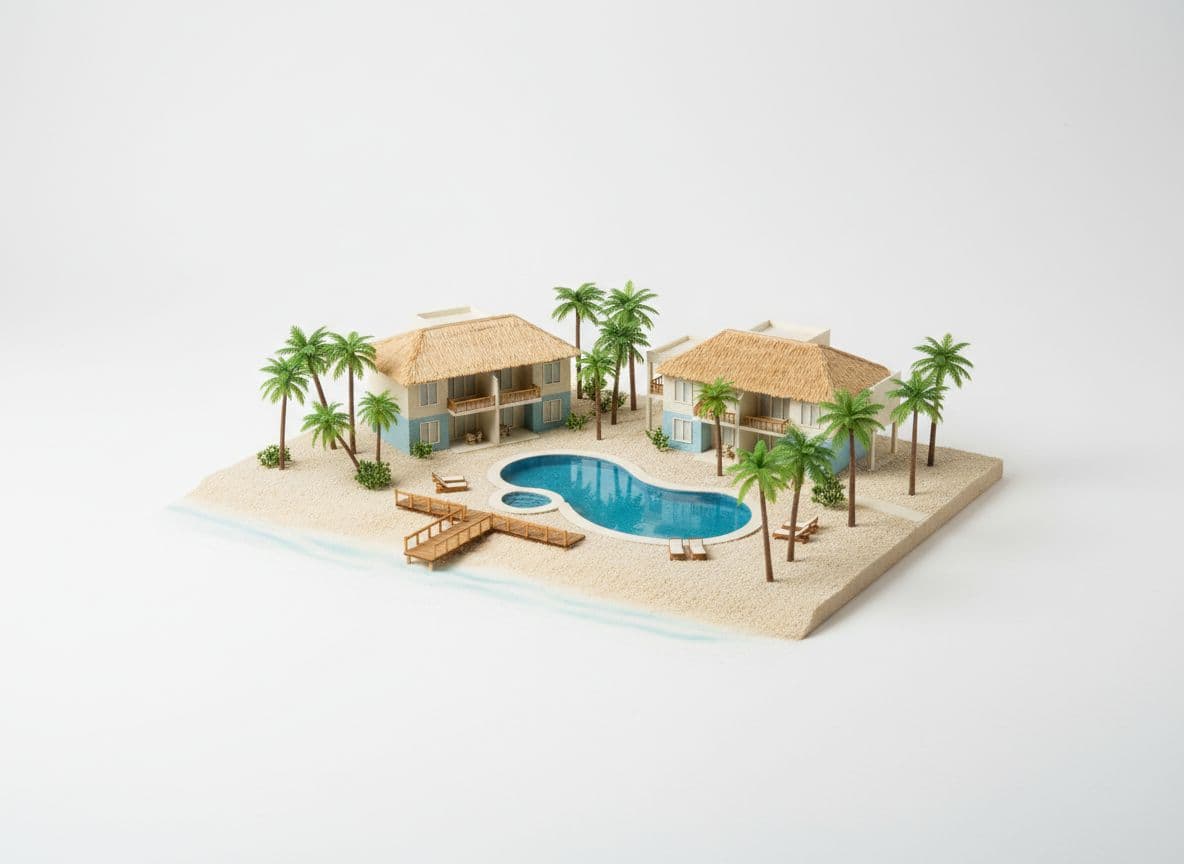
Timeshares are one of the most difficult assets to sell, and the resale reality is harsh: the vast majority of timeshares are worth $0 or close to it on the resale market. This is because the supply of people wanting to exit timeshares far exceeds the demand from buyers. Annual maintenance fees ($500-$2,500+/year) that increase annually make ownership increasingly expensive, and many buyers can vacation for less by booking directly. However, certain premium timeshares do retain value: Disney Vacation Club, Marriott Vacation Club, and Hilton Grand Vacations at popular destinations (Hawaii, Orlando, ski resorts) can sell for $5,000-$30,000+ on the resale market. Points-based systems from major brands tend to hold value better than fixed-week ownership at independent resorts. Understanding whether your timeshare has genuine resale value or is effectively a liability is critical before spending money on resale companies.
Key Factors That Affect Timeshares Value
Understanding what drives the price of timeshares helps you get the most accurate valuation.
Resort Brand & Reputation
Disney Vacation Club (DVC) holds the highest resale values. Premium resorts sell for 50-80% of retail. Marriott Vacation Club holds 20-50% of retail for desirable locations. Hilton Grand Vacations: 15-40% of retail. Wyndham/WorldMark: 5-20% of retail. Independent and small-chain resorts: often $0-$1,000 regardless of original purchase price. Brand recognition and exchange network quality directly drive resale value.
Location & Season
Prime locations command real resale value: Hawaii, Orlando (Disney-adjacent), ski resorts (Park City, Vail), and beachfront properties. Secondary locations (inland, less popular destinations) have minimal value. Fixed-week ownership during peak season (Christmas, summer, spring break) is more valuable than off-season or shoulder-season weeks. Points-based systems eliminate seasonal concerns but location of home resort still matters.
Ownership Type
Deeded ownership (you own a fractional real estate interest) has more value than right-to-use (RTU) contracts that expire. Points-based systems from major brands are the most flexible and resalable. Fixed-week ownership at premium resorts during peak weeks retains value. Floating-week ownership depends on availability rules. Biennial (every-other-year) ownership is worth roughly half of annual ownership. Legacy/inherited timeshares may have different terms affecting value.
Maintenance Fees & Special Assessments
Annual maintenance fees are the hidden cost that destroys timeshare resale value. High maintenance fees ($1,500-$3,000+/year) make timeshares essentially unsellable regardless of other factors. Low maintenance fees relative to the vacation value support resale pricing. Pending or recent special assessments (one-time fees for renovations) reduce value. Buyers calculate the 'break-even' point: how many years of use justify the purchase price plus annual fees.
Unit Size & Amenities
Larger units (2-3 bedrooms) are more desirable for family vacations and hold value better than studios or 1-bedrooms. Lock-off units (that can split into two separate units) offer flexibility and higher value. Kitchen facilities, washer/dryer, and quality furnishings are expected. Resort amenities (pools, golf, spa, beach access) contribute to desirability. Recently renovated resorts command premiums over dated properties.
Tips for Valuing Timeshares
Get the most accurate valuation by following these tips when photographing your timeshares.
Include the resort name, brand, and exact location. Buyers search by specific resort
Note the ownership type (deeded, RTU, points), season/week number, and unit size clearly
Disclose the current annual maintenance fee. This is the first thing buyers calculate
Be realistic about pricing. Check completed sales (not just listings) on RedWeek and eBay for comparable timeshares
Timeshares Market Insights
The timeshare resale market is plagued by scams. 'resale companies' that charge upfront fees ($1,000-$5,000) promising to sell your timeshare but rarely deliver results. Legitimate resale platforms include RedWeek, SellMyTimeshareNow, and TUG (Timeshare Users Group). eBay has active timeshare listings. Disney Vacation Club has specialized resellers (DVC Resale Market, DVC Shop). Many owners give away timeshares for free just to escape maintenance fees. Websites like TUGBBS list free timeshares. 'Timeshare exit companies' are a growing industry but many charge $3,000-$10,000+ with mixed results. The most reliable exit is selling (even for $1) to a legitimate buyer, or contacting the resort's 'deed-back' or 'surrender' program. Major brands (Marriott, Hilton, Wyndham) have official resale/surrender programs, though they are often selective.
Notable Timeshares Values
Real-world examples of what specific timeshares have sold for, so you can benchmark your own.
| Timeshare | Condition | Typical Value |
|---|---|---|
| Marriott Vacation Club (Maui, Hawaii) | Deeded Week | $1,000 - $8,000 |
| Disney Vacation Club (Disney World, Orlando) | Deeded Points | $80 - $130 per point |
| Wyndham Destinations (Various U.S. Resorts) | Points Contract | $1 - $500 |
| Hilton Grand Vacations (Las Vegas, Nevada) | Deeded Week | $500 - $4,000 |
| Vistana (Starwood) Westin St. John, USVI | Deeded Week | $10,000 - $30,000 |
| Bluegreen Vacations (Various Southeast U.S.) | Points Contract | $1 - $1,000 |
| Hyatt Residence Club (Sedona, Arizona) | Deeded Week | $2,000 - $10,000 |
| Club Melia (Punta Cana or Cancun) | Right-to-Use | $500 - $3,000 |
| Festiva Resorts / Generic Independent Timeshare | Deeded Week | $0 - $200 |
Based on aggregated resale listings from eBay sold listings, RedWeek, Timeshare Users Group (TUG), and licensed resale broker data.
Find Out What Your Timeshares Are Worth
Upload a photo now and get a free AI-powered valuation in seconds. No sign-up required.
Timeshares Valuation FAQ
How much is my timeshare worth?
The harsh reality: 90%+ of timeshares are worth $0-$1,000 on the resale market, regardless of what you paid. Exceptions include Disney Vacation Club ($5,000-$30,000+), Marriott at premium locations ($3,000-$20,000), and Hilton at desirable resorts ($2,000-$10,000). Check completed sales (not listings) on RedWeek and eBay for realistic pricing. Many timeshares are given away free to avoid maintenance fees.
Why is my timeshare worth so little?
Several factors: retail prices include 40-60% sales commissions and marketing costs that have zero resale value. Annual maintenance fees ($500-$3,000+) deter buyers. Supply far exceeds demand. Millions of owners want out. Hotel and vacation rental alternatives (Airbnb, VRBO) offer flexibility without long-term commitment. The stigma of high-pressure timeshare sales makes buyers cautious. For most independent resorts, there are simply no willing buyers.
How do I avoid timeshare resale scams?
Never pay upfront fees to a company promising to sell your timeshare. Legitimate resellers work on commission after the sale. Be wary of unsolicited calls claiming they have a buyer. Research any company with the BBB and state attorney general before engaging. Use established platforms (RedWeek, TUG, eBay). If a company guarantees a sale price, it is almost certainly a scam. The FTC has warned extensively about timeshare resale fraud.
Can I just give my timeshare back to the resort?
Some resort companies have 'deed-back' or 'surrender' programs. Wyndham's Ovation program, Marriott's resale/exit options, and others. Contact your resort's owner services department directly. Not all resorts accept deed-backs, and many have qualification requirements (paid in full, no delinquent fees). This is often the cleanest exit strategy when resale isn't viable. Some attorneys specialize in timeshare exits for $1,500-$5,000.
Are Disney Vacation Club timeshares worth buying resale?
DVC is one of the few timeshare products that holds genuine resale value. Resale DVC points cost 40-60% less than buying direct from Disney, while providing the same accommodations. Popular home resorts (Polynesian, Grand Floridian, Beach Club) command premiums. DVC resale restrictions mean resale buyers lose some perks (like discounts on dining plans), but the core benefit. Staying at Disney resorts. Remains. Specialized resellers like DVC Resale Market facilitate these transactions.
Value anything, anytime
Unlimited valuations, saved history and full reports in the free app.