Last updated: September 2026
How Much Is My House Worth?
Whether you own a single-family home, condo, townhouse, or multi-family property, our AI analyzes visible features, finishes, and condition to help you understand your home's current market value. Get a realistic price estimate before listing with a realtor, refinancing, or making renovation decisions.
Get the free app for unlimited scans


What do you want to value?
Why Knowing Your Houses Value Matters
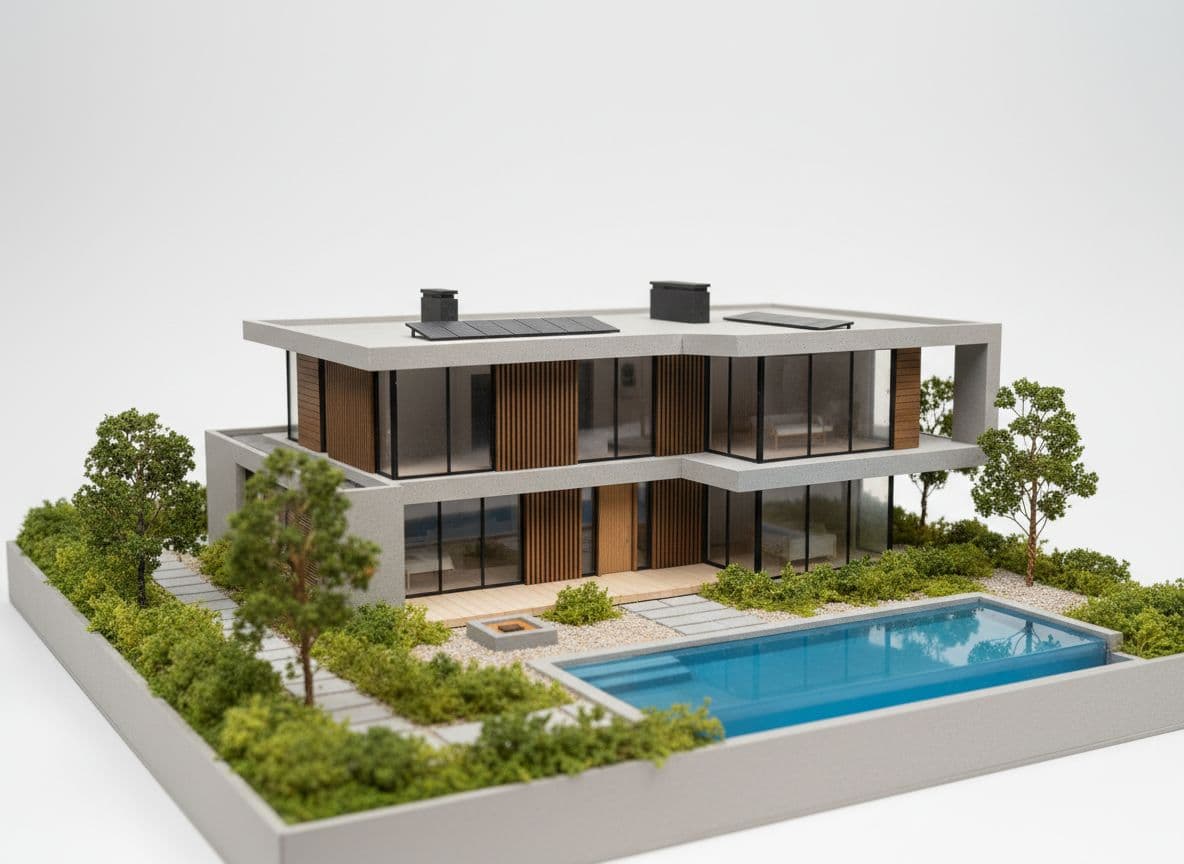
Your home is almost certainly your most valuable asset, and knowing its current market value is essential for critical financial decisions. Whether you are considering selling, refinancing, taking out a home equity loan, challenging your property tax assessment, or simply tracking your net worth, an accurate home valuation is the foundation. Real estate agents may inflate values to win your listing, while buyers and investors will try to convince you your home is worth less. Zillow's Zestimate and similar automated tools can be off by 5-15% or more, especially for unique properties or in rapidly changing markets. Understanding what your home is truly worth empowers you to make informed decisions about the biggest investment of your life.
Key Factors That Affect Houses Value
Understanding what drives the price of houses helps you get the most accurate valuation.
Location & Neighborhood
Location is the single most important factor in home value. The same house can vary by 200-500% based on zip code. School district quality, crime rates, walkability, proximity to employment centers, and neighborhood trends all affect value. Even within a neighborhood, homes on quiet streets are worth more than those on busy roads.
Square Footage & Layout
Price per square foot is the baseline metric for home valuation. More square footage generally means higher value, but layout and usability matter too. Open floor plans, good natural light, and functional room sizes are preferred. Bedrooms and bathrooms have specific value. Adding a bathroom can increase value by 10-20%, and a 3-bedroom home is worth significantly more than a 2-bedroom.
Condition & Updates
Updated kitchens and bathrooms have the largest impact on home value, often returning 60-80% of renovation cost. Roof age, HVAC condition, foundation integrity, and overall maintenance affect both value and marketability. A well-maintained home in original condition is worth more than a poorly maintained one, but less than a recently renovated comparable property.
Lot Size & Outdoor Features
Lot size contributes significantly to value, especially in suburban and rural areas. A large, flat, usable lot is worth more than a steep or oddly shaped one. Features like pools, decks, mature landscaping, fenced yards, and outdoor living spaces add value in most markets, though pools can be a negative in colder climates.
Market Conditions & Comparable Sales
Recent sales of similar homes in your area (comps) are the strongest indicator of value. In a seller's market with low inventory, homes sell above asking price. In a buyer's market, homes may sit and sell below list price. Interest rates heavily influence buying power. When rates rise, home prices typically soften as buyers can afford less.
Tips for Valuing Houses
Get the most accurate valuation by following these tips when photographing your houses.
Photograph the front exterior of your home including the yard, driveway, and overall curb appeal
Include interior photos of the kitchen, bathrooms, living areas, and any recently renovated spaces
Show unique features like fireplaces, hardwood floors, views, pools, or outdoor living areas
Photograph any areas of concern (roof condition, foundation, dated features) for a more accurate assessment
Houses Market Insights
The US housing market remains characterized by low inventory in most metro areas, supporting prices even as mortgage rates hover at elevated levels. Homeowners with low-rate mortgages from 2020-2021 are reluctant to sell, creating a 'lock-in' effect that constrains supply. Home prices have proven resilient, with national median prices still near all-time highs despite affordability challenges. Regional variation is significant. Sun Belt markets that boomed during the pandemic have cooled, while Northeast and Midwest markets have strengthened. First-time buyers face the toughest conditions in decades, keeping rental demand strong and supporting values for investment properties. If you are considering selling, the combination of low inventory and sustained demand means well-priced homes in good condition continue to sell quickly.
Notable Houses Values
Real-world examples of what specific houses have sold for, so you can benchmark your own.
| House | Condition | Typical Value |
|---|---|---|
| Median U.S. Single-Family Home | Average | $290,000 - $420,000 |
| New York City Manhattan 1BR Condo | Market Rate | $700,000 - $1,500,000 |
| Rural Midwest Farmhouse (3BR/2BA) | Average | $120,000 - $250,000 |
| San Francisco Bay Area Single-Family Home | Average | $900,000 - $1,800,000 |
| Suburban Ranch Home (Southeast U.S.) | Good | $220,000 - $380,000 |
| Historic Victorian (Painted Lady, SF) | Restored | $2,500,000 - $5,000,000+ |
| Luxury Beachfront Property (Florida/Carolinas) | Move-In Ready | $1,200,000 - $8,000,000+ |
| Detroit or Cleveland Fixer-Upper | As-Is | $15,000 - $80,000 |
| New Construction Tract Home (Sun Belt) | New | $320,000 - $550,000 |
Based on NAR median home price data, Zillow/Redfin market reports, and publicly reported real estate transaction records.
Find Out What Your Houses Are Worth
Upload a photo now and get a free AI-powered valuation in seconds. No sign-up required.
Houses Valuation FAQ
How accurate are online home value estimators?
Automated valuation models (AVMs) like Zillow's Zestimate have a median error rate of 5-8% for on-market homes and 7-15% for off-market homes. They work best for cookie-cutter homes in subdivisions with lots of recent comparable sales. They struggle with unique properties, rural homes, recently renovated homes, and rapidly changing markets. Use online estimates as a starting point, but for important decisions, a professional appraisal ($300-$500) or a comparative market analysis from a local agent is more reliable.
What renovations add the most value to a home?
Kitchen remodels typically return 60-80% of cost and are the most impactful upgrade. Bathroom renovations return 55-70%. Other high-value improvements include adding a bedroom or bathroom, replacing the garage door (nearly 100% ROI), new siding, and updated windows. Avoid over-improving for your neighborhood. A $100,000 kitchen in a $250,000 neighborhood will not return its full cost. Cosmetic updates like paint, lighting, and landscaping offer the best ROI for the money.
How do I increase my home's value before selling?
Focus on curb appeal first: fresh landscaping, a clean exterior, and a welcoming front entrance. Inside, declutter, deep clean, and apply fresh neutral paint. Update light fixtures and hardware for a modern look at low cost. Fix any deferred maintenance. Leaky faucets, cracked tiles, squeaky doors. Stage the home to look spacious and inviting. These relatively low-cost improvements can increase your sale price by 5-10% and significantly reduce time on market.
Should I get an appraisal before selling my house?
A pre-listing appraisal ($300-$500) can be worthwhile, especially if you are unsure of your home's value or if comparable sales are limited. It gives you an objective baseline for pricing and can help justify your asking price to buyers. However, many sellers rely on a comparative market analysis (CMA) from their real estate agent, which is typically free and based on similar methodology. For refinancing or home equity loans, a lender will require a formal appraisal.
How much does location really affect home value?
Location is the dominant factor, often accounting for 50-70% of a home's value. The same 2,000 sq ft, 3-bedroom home might be worth $150,000 in a rural area, $400,000 in a mid-tier suburb, and $1.5 million in a premium coastal city. Within a neighborhood, being in a top-rated school district can add 10-20% to value. Proximity to highways, train stations, parks, and amenities all contribute. Even micro-location matters. A home backing to green space is worth more than one backing to a commercial property.
Value anything, anytime
Unlimited valuations, saved history and full reports in the free app.