Last updated: September 2026
How Much Is My Mobile Home Worth?
Whether you have a single-wide, double-wide, or modular home, our AI analyzes the age, size, condition, and features to provide an accurate market valuation. Understand what your manufactured home is worth before selling, refinancing, or settling an estate. And know whether land ownership affects your home's value.
Get the free app for unlimited scans


What do you want to value?
Why Knowing Your Mobile Homes Value Matters
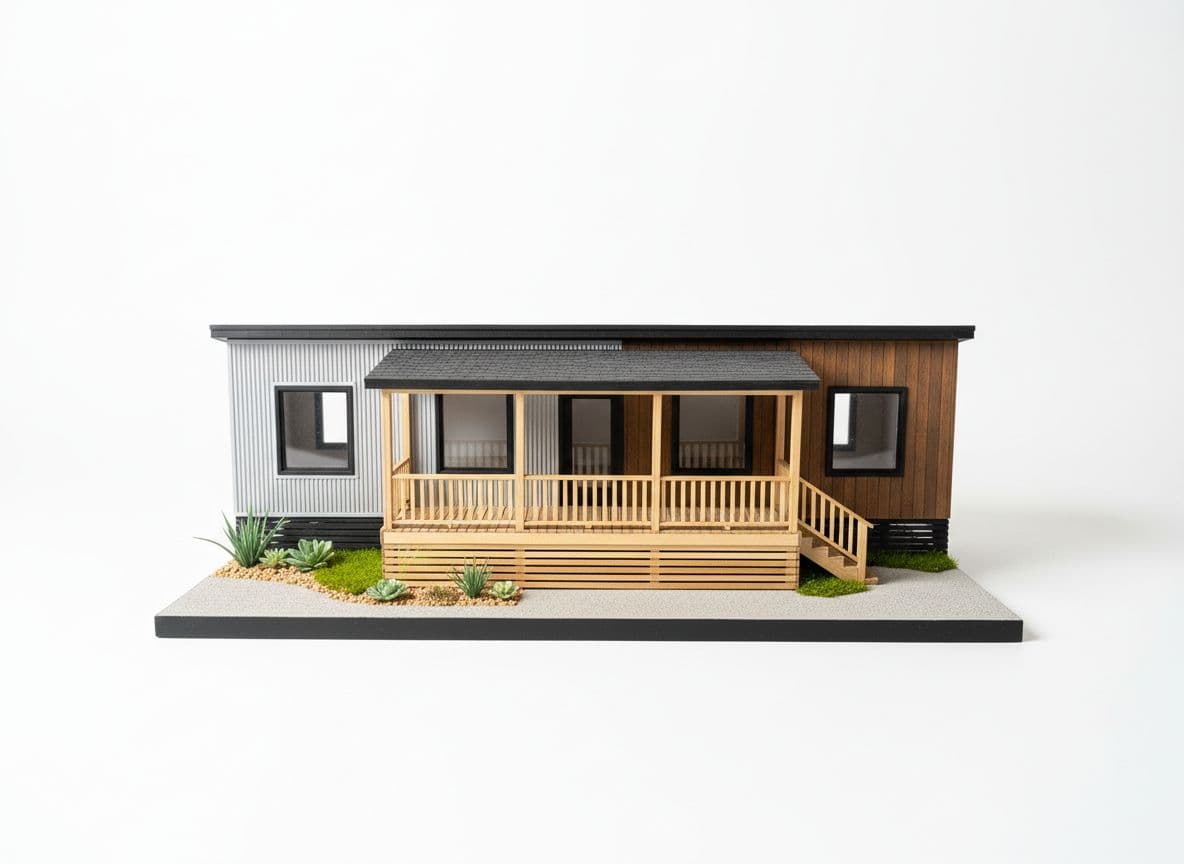
Mobile and manufactured homes represent one of the most affordable housing segments in the United States, with over 22 million Americans living in them. Yet valuing a mobile home is uniquely challenging because unlike traditional real estate, they can depreciate like vehicles. Or appreciate significantly if placed on owned land in a desirable location. A 1990s single-wide on rented lot space might be worth $5,000-$15,000, while a modern double-wide on owned land could be worth $100,000-$200,000+. NADA Manufactured Housing guides and MHVillage listings provide market data, but local conditions vary enormously. Estate settlements frequently involve mobile homes where heirs have no idea of the value, and many sellers accept far less than market value simply because they do not understand the manufactured housing market. Knowing your mobile home's true value ensures fair deals whether you are selling, buying, insuring, or settling an estate.
Key Factors That Affect Mobile Homes Value
Understanding what drives the price of mobile homes helps you get the most accurate valuation.
Year & HUD Code Compliance
Homes built after June 15, 1976 must meet federal HUD code standards, making them more valuable and easier to finance. Pre-HUD mobile homes (before 1976) are significantly less valuable, harder to insure, and may not qualify for financing. Homes built after 2000 with modern energy efficiency standards command the highest prices. A 2010+ double-wide is worth substantially more than a 1985 model of similar size.
Size & Floor Plan
Single-wide homes (typically 14-18 feet wide) are worth less than double-wide homes (24-32 feet wide). Square footage, number of bedrooms and bathrooms, and open vs. closed floor plans all affect value. Double-wides with 3 bedrooms and 2 bathrooms are the most desirable configuration. Triple-wide and modular homes are valued more similarly to site-built homes.
Condition & Updates
Interior condition. Flooring, kitchen, bathrooms, walls, and ceilings. Dramatically affects value. Homes with updated kitchens, modern flooring (replacing old carpet or vinyl), and renovated bathrooms are worth 20-40% more than original-condition homes. Roof condition, skirting, HVAC age, plumbing, and electrical systems are also critical. Water damage, soft floors, and roof leaks are major value reducers.
Land Ownership vs. Lot Rent
The single biggest factor in mobile home value is whether the home sits on owned land or rented lot space. A mobile home on owned land can be financed with a traditional mortgage and is classified as real property, dramatically increasing its value. The same home on a rented lot in a mobile home park is classified as personal property and is worth significantly less. Monthly lot rents of $300-$800+ also affect buyer demand.
Location & Community
Location affects mobile home values just like traditional real estate. Homes in desirable areas, quality parks, or 55+ communities with amenities (pools, clubhouses) are worth more. Park rules, pet policies, age restrictions, and lot rent amounts all influence value. Rural homes on acreage can command premium prices. Flood zones, coastal areas, and tornado-prone regions may reduce value due to insurance costs.
Tips for Valuing Mobile Homes
Get the most accurate valuation by following these tips when photographing your mobile homes.
Photograph the exterior from multiple angles showing the overall condition, siding, roof, skirting, and any additions or porches
Include interior photos of the kitchen, bathrooms, living areas, and any recent updates or renovations
Capture the HUD data plate (usually in a kitchen cabinet or utility closet) which shows the year, manufacturer, and model
If the home is on owned land, photograph the lot and surroundings. Land value significantly impacts total value
Mobile Homes Market Insights
The manufactured housing market has gained significant momentum as traditional housing affordability has declined. New manufactured homes are priced at roughly half the per-square-foot cost of site-built homes, driving increased interest from first-time buyers and retirees. The used mobile home market is active on platforms like MHVillage, Facebook Marketplace, and Craigslist. Financing options have expanded with programs from 21st Mortgage, Vanderbilt Mortgage, and FHA Title I and Title II loans. Homes on owned land in desirable areas have appreciated substantially in many markets. The biggest challenge remains homes in parks with rising lot rents. High lot rents can make an otherwise decent home nearly worthless. If you are selling, understanding whether your buyer can obtain financing for your specific home type and location is essential to pricing correctly.
Notable Mobile Homes Values
Real-world examples of what specific mobile homes have sold for, so you can benchmark your own.
| Mobile Home | Condition | Typical Value |
|---|---|---|
| 1970s Single-Wide (14x70 ft) | Used - Fair | $5,000 - $20,000 |
| 1990s Double-Wide (28x60 ft) | Used - Good | $25,000 - $55,000 |
| 2000s Triple-Wide Manufactured Home | Used - Good | $50,000 - $90,000 |
| 2010s HUD-Code Manufactured Home (Single-Wide) | Used - Excellent | $40,000 - $75,000 |
| 2015-2020 Double-Wide on Owned Land | Used - Excellent | $80,000 - $160,000 |
| New 2024 Clayton Homes Single-Wide | New | $70,000 - $110,000 |
| New 2024 Cavco or Fleetwood Double-Wide | New | $100,000 - $180,000 |
| Park Model RV / Tiny Home (400 sq ft) | Used - Good | $30,000 - $65,000 |
| 2020s Modular Home (Factory-Built, Site-Set) | Used - Excellent | $150,000 - $300,000+ |
Based on MHVillage listings, NADAguides manufactured housing values, and real estate market data from Zillow and county assessor records.
Find Out What Your Mobile Homes Are Worth
Upload a photo now and get a free AI-powered valuation in seconds. No sign-up required.
Mobile Homes Valuation FAQ
Do mobile homes appreciate or depreciate?
It depends primarily on land ownership. Mobile homes on rented lots typically depreciate over time, similar to vehicles. However, manufactured homes on owned land often appreciate with the local real estate market, especially newer HUD-code homes. Well-maintained double-wides on owned land in good locations have seen significant appreciation in many markets.
What is the difference between a mobile home and a manufactured home?
Technically, homes built before June 15, 1976 are 'mobile homes,' while those built after that date under federal HUD standards are 'manufactured homes.' In practice, people use the terms interchangeably. Modular homes are different. They are built to local building codes (not HUD code) and are generally valued more like traditional site-built homes.
How do I find the year and manufacturer of my mobile home?
Check the HUD data plate, usually located inside a kitchen cabinet, bedroom closet, or utility area. It shows the manufacturer, serial number, model, date of manufacture, and wind/snow load zone. The HUD certification label (a red metal tag) on the exterior also contains the serial number. You can also check your title or contact your state's manufactured housing agency.
Can I sell a mobile home without the title?
Selling without a title is difficult and reduces value significantly. Most states require a title for mobile home sales, similar to vehicle titles. If you have lost the title, contact your state's DMV or housing agency to obtain a duplicate. Some states have processes for bonded titles if the original cannot be located. Buyers will pay less or walk away entirely without clear title documentation.
How much does it cost to move a mobile home?
Moving a single-wide typically costs $3,000-$8,000, and a double-wide costs $8,000-$15,000+, depending on distance and setup requirements. These costs include disconnection, transport, reconnection of utilities, skirting, and setup. Moving is often not economical for older or lower-value homes. Many buyers prefer to purchase homes in place, so factoring in whether a buyer can keep the home on its current lot affects pricing strategy.
Value anything, anytime
Unlimited valuations, saved history and full reports in the free app.