Last updated: September 2026
How Much Is My Home Worth?
Our home value estimator calculates your property's approximate market worth based on key characteristics including location, size, layout, and age. Whether you're considering selling, refinancing, or simply want to track your home equity, this tool provides a data-informed estimate using comparable property data and current real estate market trends in your area.
Get the free app for unlimited scans


Home Value Value Calculator
Fill in the details below for an accurate estimate
Why Knowing Your Home Value Value Matters
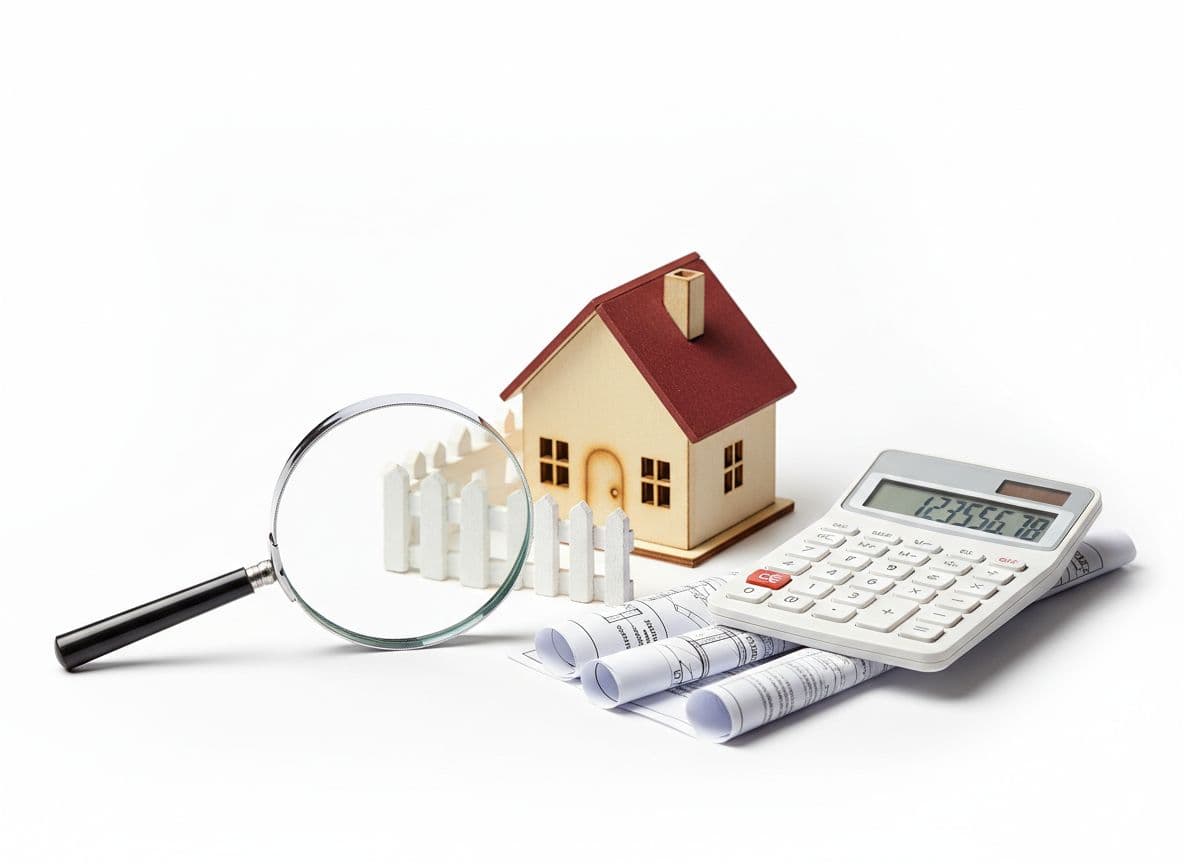
Your home is almost certainly your largest financial asset, with the median U.S. home value at approximately $420,000 as of early 2025. Understanding your home's current market value is critical for major financial decisions including selling, refinancing, taking out a home equity loan, or adjusting your insurance coverage. Home values have appreciated an average of 5-7% annually over the past decade, meaning a home purchased for $300,000 in 2015 could now be worth $450,000-$550,000 depending on location. However, real estate markets are hyperlocal. Homes in high-growth metros like Austin, Nashville, and Phoenix have appreciated 80-150% over the past decade, while some rural and Midwest markets have seen only 20-30% growth. The difference between an accurate and inaccurate home valuation can mean tens of thousands of dollars in mispriced sales, incorrect tax assessments, or missed refinancing opportunities. Knowing what your home is actually worth empowers you to make informed decisions about the single largest line item on your personal balance sheet.
Key Factors That Affect Home Value Value
Understanding what drives the price of home value helps you get the most accurate valuation.
Location & Neighborhood
Location is the most critical factor in home value. The same house can be worth $200,000 or $2,000,000 depending on its city, neighborhood, and even specific street. School district quality, crime rates, proximity to employment centers, walkability scores, and access to amenities all impact value. Within the same zip code, values can vary 30-50% based on micro-location factors like lot position, noise levels, and neighborhood desirability. Urban and suburban homes near transit and job centers consistently outperform distant exurban properties.
Square Footage & Layout
Size is the second most important valuation factor, with price per square foot ranging from $100-$200 in affordable markets to $500-$1,500+ in premium metros. However, layout efficiency matters. A well-designed 1,800 sqft home with an open floor plan can feel larger and sell better than a choppy 2,200 sqft home. Additional living spaces like finished basements, bonus rooms, and home offices have increased in value since the remote work shift. The pricing per square foot typically decreases as homes get larger. Going from 1,500 to 2,000 sqft adds more per-foot value than going from 3,000 to 3,500 sqft.
Bedrooms & Bathrooms
Bedroom and bathroom count directly impacts value and buyer pool size. Going from 2 to 3 bedrooms can increase value by 10-20% ($30,000-$80,000 on a typical home). Similarly, adding a full bathroom adds roughly 5-10% in value. The market sweet spot is 3-4 bedrooms and 2-2.5 bathrooms. Homes below this threshold sell to a smaller buyer pool, while homes above it are in higher price ranges with more competition. The bedroom-to-bathroom ratio matters: a 4-bed/1-bath home is worth less than a 3-bed/2-bath home in most markets.
Year Built & Condition
Newer homes generally command premium prices due to modern building codes, energy efficiency, and updated designs. Homes built in 2015+ often sell for 15-30% more per square foot than 1980s construction. However, well-maintained older homes in established neighborhoods can match or exceed new construction values. Major systems (roof, HVAC, plumbing, electrical) age significantly impacts value. A roof replacement ($8,000-$15,000), new HVAC ($5,000-$12,000), or updated electrical panel ($2,000-$4,000) all affect buyer negotiations.
Market Conditions & Timing
Local real estate market conditions dramatically affect value. Seller's markets (low inventory, high demand) can add 5-15% above comparable sales, while buyer's markets can reduce values by similar margins. Interest rates are a major driver. Every 1% increase in mortgage rates reduces buying power by approximately 10%, which puts downward pressure on prices. Seasonal factors also play a role: spring and early summer are typically the strongest selling periods with 5-10% higher prices than winter sales.
Tips for Valuing Home Value
Get the most accurate estimate by following these tips when evaluating your home value.
Enter your city name or ZIP code accurately, as location is the single biggest factor in home valuation and even neighboring ZIP codes can have 20-30% value differences
Select your correct bedroom and bathroom count. The difference between 2 and 3 bedrooms can mean $30,000-$80,000 in value
Provide accurate square footage from your tax records or property listing, as even 200 sqft difference can swing value by $20,000-$60,000
Include your home's year built since construction era significantly impacts value through building quality, code compliance, and energy efficiency differences
Home Value Market Insights
The U.S. housing market has experienced significant volatility since 2020, with median home prices rising approximately 40-50% nationally before stabilizing in 2023-2025. Mortgage rates, which climbed from 3% to over 7%, have cooled buyer demand but limited inventory (many homeowners locked into low rates won't sell) has prevented significant price declines in most markets. The current market is characterized by low transaction volume but relatively stable prices. A standoff between sellers who won't accept lower prices and buyers facing affordability challenges. Housing affordability remains historically stretched, with the median home requiring approximately 40% of median household income for mortgage payments, compared to the historical average of 25-30%. Markets with strong job growth, population influx, and limited land for development (coastal cities, Sun Belt metros) continue to see modest appreciation, while some pandemic-era boom markets (Boise, Austin, Phoenix) have seen 5-15% corrections from peak values.
Notable Home Value Values
Real-world examples of what specific home value have sold for, so you can benchmark your own.
| Home Value | Condition | Typical Value |
|---|---|---|
| Studio Condo, Urban Core (e.g., Chicago, Phoenix) | Average | $150,000 - $280,000 |
| 2BR/1BA Ranch, Midwest Suburb | Average | $180,000 - $320,000 |
| 3BR/2BA Single-Family, Sun Belt Metro | Good | $300,000 - $480,000 |
| 4BR/2.5BA Colonial, Northeast Suburb | Good | $450,000 - $850,000 |
| 3BR/2BA Craftsman Bungalow, Pacific Northwest | Updated | $550,000 - $950,000 |
| 5BR/3BA New Construction, Texas Suburb | New Build | $400,000 - $650,000 |
| 2BR/1BA Rural Single-Family, Midwest | Fair | $80,000 - $160,000 |
| 4BR/3BA Luxury Home, Coastal California | Excellent | $1,200,000 - $3,500,000+ |
| Custom Estate, 6BR+, Major Metro Suburb | Luxury | $2,000,000 - $8,000,000+ |
Based on Zillow, Redfin, and NAR median sales data across US metro and rural markets.
Find Out What Your Home Value Are Worth
Upload a photo now and get a free AI-powered valuation in seconds. No sign-up required.
Home Value Valuation FAQ
How accurate are online home value estimates?
Online home value estimators (including Zillow's Zestimate, Redfin Estimate, and tools like ours) typically have a median error rate of 3-7% for homes currently on the market and 7-14% for off-market homes. This means a home actually worth $400,000 might be estimated at $370,000-$430,000. The accuracy improves significantly with more data. Homes in areas with frequent, comparable sales are estimated more accurately than unique properties or those in rural areas with few transactions. For the most accurate valuation, combine online estimates with a comparative market analysis from a local real estate agent.
What home improvements add the most value?
The highest-ROI improvements are kitchen remodels (minor: 75-80% ROI, major: 50-60% ROI), bathroom updates (60-70% ROI), and adding a bedroom or bathroom to underserved homes (50-75% ROI). Curb appeal improvements like landscaping and exterior paint deliver 100%+ ROI at low cost. New roofing (60-70% ROI) and HVAC replacement (50-60% ROI) protect value rather than add it. Swimming pools actually reduce value in many markets despite costing $30,000-$80,000 to install. The best strategy is focusing on improvements that bring your home to neighborhood standards rather than exceeding them.
How do interest rates affect my home's value?
Interest rates indirectly affect home values by changing buyer purchasing power. When rates drop from 7% to 6%, a buyer with a $2,500/month budget can afford roughly 10% more home value. This increased purchasing power drives up demand and prices. Conversely, rising rates reduce what buyers can afford, putting downward pressure on prices. However, the relationship isn't direct. In the 2022-2024 rate spike from 3% to 7%, many markets saw prices plateau rather than crash because low inventory offset reduced demand. Historically, home prices have risen in both high and low interest rate environments, though the pace of appreciation slows in high-rate periods.
Should I get an appraisal or use an online estimator?
For general awareness and tracking equity, online estimators are free and sufficient. For selling, refinancing, or legal purposes, a professional appraisal ($300-$600) provides a defensible, certified valuation.appraisers physically inspect the property, evaluate condition, and use hyper-local comparable sales that algorithms might miss. Lenders require professional appraisals for mortgage transactions. For selling, a comparative market analysis (CMA) from a real estate agent is typically free and more detailed than online tools. The best approach is using online tools for initial estimates, then getting a professional appraisal when making financial decisions.
How much has my home appreciated since I bought it?
National home price appreciation has averaged 5-7% annually over the past decade, but actual appreciation varies enormously by market. Homes purchased in 2019-2020 in many Sun Belt markets have appreciated 30-60%. Homes in stable Midwest markets may have appreciated 15-25% over the same period. To estimate your specific appreciation, compare your purchase price to current comparable sales in your neighborhood. Keep in mind that the net equity gain also depends on mortgage paydown. A homeowner 5 years into a 30-year mortgage has paid down roughly 8-10% of the principal, which combined with appreciation creates total equity growth of 25-50%+ in most markets.
Value anything, anytime
Unlimited valuations, saved history and full reports in the free app.