Last updated: September 2026
How Much Is My Timber Worth?
Standing timber value ranges from $500/acre for young pine plantations to $5,000+/acre for mature hardwood stands. Value depends on species, volume (board feet), tree size, accessibility, and local market demand. Enter your details for an estimate.
Get the free app for unlimited scans


Timber Value Calculator
Fill in the details below for an accurate estimate
Why Knowing Your Timber Value Matters
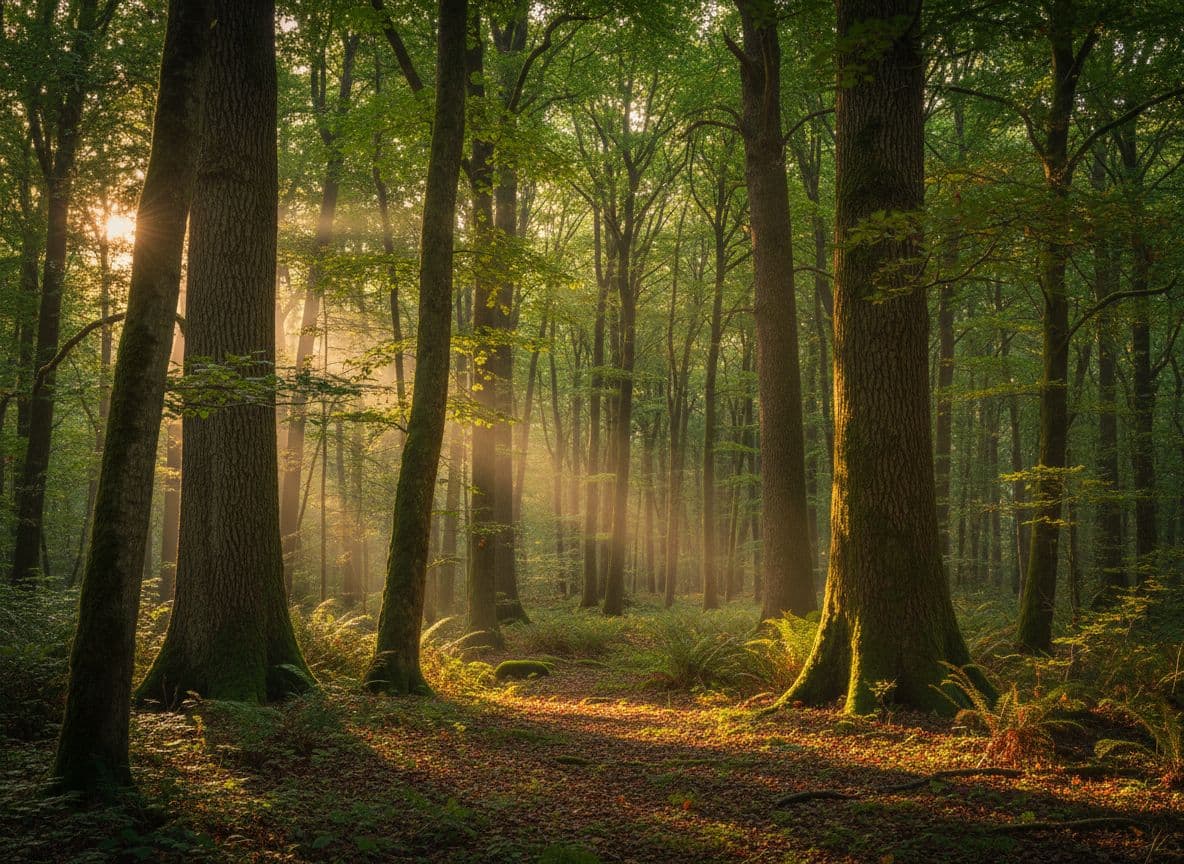
Timber is often the most valuable asset on rural property, yet many landowners have no idea what their trees are worth. A mature hardwood stand could be worth $2,000-$5,000+ per acre, representing tens or hundreds of thousands of dollars on a typical tract. Before selling timber, landowners need to understand their timber's value to negotiate fair stumpage prices with logging companies. Without this knowledge, it's easy to accept offers that are 30-50% below market value.
Key Factors That Affect Timber Value
Understanding what drives the price of timber helps you get the most accurate valuation.
Species & Product
Pine sawtimber: $25-$35/ton. Pine pulpwood: $8-$15/ton. Hardwood sawtimber: $30-$60+/ton. Hardwood pulpwood: $8-$12/ton. Premium species (walnut, cherry, white oak): $50-$200+/ton. Veneer-quality logs: $100-$500+/ton. Species is the biggest value factor.
Volume & Size
Timber volume is measured in board feet (MBF), cords, or tons. Larger trees produce more sawtimber (highest value). A mature stand might have 5,000-15,000 board feet/acre. Young stands have mostly pulpwood (lowest value). Professional timber cruises measure exact volumes.
Tree Quality
Straight, clear trunks produce the most valuable lumber. Defects (rot, forks, crooks, excessive branching) reduce value. First-log quality (the bottom 16 feet) is most important. Hardwood veneer logs (perfect, large, straight) are the premium product.
Access & Terrain
Easy road access and flat terrain reduce logging costs, increasing stumpage prices. Steep terrain, stream crossings, and wet conditions increase logging costs and reduce what buyers will pay. Distance to mills affects value. Closer is better.
Market Conditions
Timber prices fluctuate with lumber markets, housing starts, and global demand. Pine prices track construction activity. Hardwood prices are influenced by furniture, flooring, and export demand. Check current regional stumpage prices before selling.
Tips for Valuing Timber
Get the most accurate estimate by following these tips when evaluating your timber.
Get a professional timber cruise before selling. This measures exact volumes and values
Get multiple bids from different logging companies. Prices vary 20-40%
Consider hiring a consulting forester to manage the sale (they typically save you more than their 10% fee)
Never sell timber based on a per-acre lump sum. Always sell by measured volume
Timber Market Insights
Timber markets have stabilized after the 2021-2022 lumber price spikes. Pine sawtimber prices remain solid, driven by housing construction. Hardwood demand is strong for flooring, furniture, and exports (particularly to China). Carbon credit markets are creating new revenue streams for timber landowners who delay harvest. Sustainable forestry certification (SFI, FSC) can add value to timber sales.
Find Out What Your Timber Are Worth
Upload a photo now and get a free AI-powered valuation in seconds. No sign-up required.
Timber Valuation FAQ
How much is an acre of timber worth?
It depends heavily on species, age, and quality. Young pine plantation: $500-$1,500/acre. Mature pine: $1,000-$3,000/acre. Mixed hardwood: $1,000-$3,000/acre. Premium hardwood (walnut, cherry): $2,000-$5,000+/acre. A professional timber cruise gives exact values.
How do I sell my timber?
Hire a consulting forester (find one at your state forestry association). They'll cruise the timber, estimate value, solicit bids from loggers, and manage the sale. Their 10% fee typically pays for itself through higher sale prices. Never accept the first offer from a logger who knocks on your door.
What trees are worth the most?
Black walnut, white oak, and cherry are the most valuable common US timber species. Veneer-quality walnut logs can exceed $500/ton. Large, straight, defect-free trees of any species are worth the most. Specialty species (figured maple, old-growth) can command extreme premiums.
When is the best time to sell timber?
Timber prices are cyclical. Sell when lumber markets are strong (usually during housing booms). Avoid selling during market downturns if you can wait. Biologically, trees should be mature but not declining. Your consulting forester can advise on optimal timing.
Do I pay taxes on timber sales?
Timber sales can be treated as capital gains (lower tax rate) rather than ordinary income if structured properly. The cost basis of your timber (original purchase price or inherited value) is deducted. Consult a tax professional familiar with timber taxation. The savings can be significant.
Value anything, anytime
Unlimited valuations, saved history and full reports in the free app.