Last updated: September 2026
How Much Is My Farmland Worth?
Farmland values range from $1,500/acre in the western US to $15,000+/acre in the Corn Belt. Value depends on soil quality, water access, crop history, and location. Enter your details for an estimate based on current market data.
Get the free app for unlimited scans


Farmland Value Calculator
Fill in the details below for an accurate estimate
Why Knowing Your Farmland Value Matters
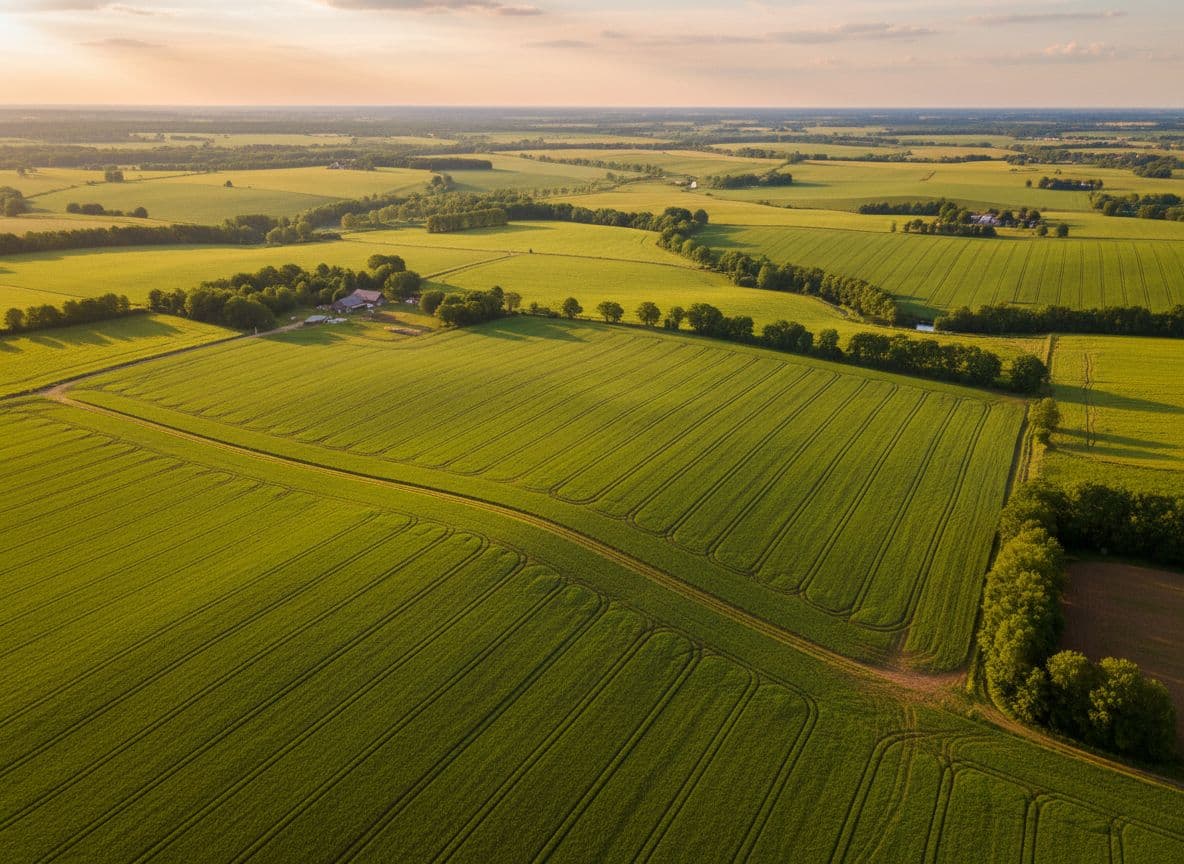
US farmland has appreciated 7-10% annually over the past decade, outperforming many traditional investments. But values vary enormously by location and quality. Prime Iowa cropland exceeds $12,000/acre while rangeland in Montana might be $1,500/acre. Whether you're buying, selling, inheriting, or renting farmland, understanding per-acre values in your area is essential for making informed decisions.
Key Factors That Affect Farmland Value
Understanding what drives the price of farmland helps you get the most accurate valuation.
Location & Region
Corn Belt (Iowa, Illinois, Indiana): $8,000-$15,000+/acre. Southeast (Alabama, Georgia): $3,000-$6,000. Great Plains (Kansas, Nebraska): $3,000-$8,000. West (Montana, Wyoming): $1,500-$4,000. Pacific (California): $5,000-$30,000+ (irrigated).
Soil Quality
USDA soil productivity ratings directly correlate with land value. Prime farmland with high Corn Suitability Ratings (CSR) commands 2-3x the price of marginal soils.organic matter content, drainage, and pH all affect productivity and value.
Water & Irrigation
Irrigated cropland is worth 2-5x dryland in arid regions. Water rights (especially in the western US) can be as valuable as the land itself. Tile-drained land in the Midwest commands premiums. Access to reliable water sources is critical.
Current Use & Improvements
Cropland is generally most valuable, followed by improved pasture, then rangeland. Buildings, fences, grain storage, and drainage improvements add value. Timber on the property can add $500-$3,000+/acre. Conservation easements may reduce taxable value.
Market Conditions
Farmland values correlate with commodity prices, interest rates, and investor demand. Low interest rates drive farmland prices up. Strong corn/soybean prices support Corn Belt values. Institutional investors (TIAA, Farmland Partners) have increased demand and prices.
Tips for Valuing Farmland
Get the most accurate estimate by following these tips when evaluating your farmland.
Know your county's average per-acre prices from USDA reports
Get a soil survey from your local NRCS office. Soil quality is the #1 value driver
Check comparable recent sales in your county through county assessor records
Factor in rental income potential. Farm rents are 3-5% of land value annually
Farmland Market Insights
Farmland has been one of the best-performing asset classes over the past 30 years, with consistent appreciation and low volatility. Institutional investment in farmland has grown significantly. The combination of food demand growth, limited supply of arable land, and inflation hedging properties makes farmland attractive. USDA's annual Land Values report shows continued appreciation in most regions, though the rate has moderated from the 2021-2023 surge.
Find Out What Your Farmland Are Worth
Upload a photo now and get a free AI-powered valuation in seconds. No sign-up required.
Farmland Valuation FAQ
How much is farmland worth per acre?
The US average is about $4,000-$5,000/acre for cropland, but ranges from $1,500/acre (western rangeland) to $15,000+/acre (prime Corn Belt). Your specific location, soil quality, and water access determine the actual value.
Is farmland a good investment?
Farmland has returned 10-12% annually (appreciation + rental income) over the past 30 years with very low volatility. It's an excellent inflation hedge and portfolio diversifier. However, it's illiquid and requires significant capital.
How do I find the value of my farmland?
Check USDA's annual Land Values survey for county averages. Review recent comparable sales through your county assessor. Hire a certified agricultural appraiser for a formal valuation ($500-$2,000). Online tools like Farmers National Company provide estimates.
What affects farmland value the most?
Location (county/state) is #1. Soil quality (CSR rating, productivity index) is #2. Water access/irrigation is #3. Current commodity prices and interest rates affect the overall market. Road access and proximity to grain elevators also matter.
How much can I rent farmland for?
Cash rent averages $150-$400/acre for cropland in the Corn Belt, $50-$150/acre in the Southeast, and $20-$80/acre for pasture/rangeland. Rent is typically 3-5% of land value. Crop share arrangements (landlord gets 25-33% of crop) are an alternative.
Value anything, anytime
Unlimited valuations, saved history and full reports in the free app.