Last updated: September 2026
How Much Is My Sword Worth?
Whether you have a Civil War saber, a Japanese katana, a medieval-style sword, or a military officer's dress sword, our AI analyzes the type, age, condition, and provenance to provide a market valuation. Get an accurate price before selling, insuring, or appraising your sword collection.
Get the free app for unlimited scans


What do you want to value?
Why Knowing Your Swords Value Matters
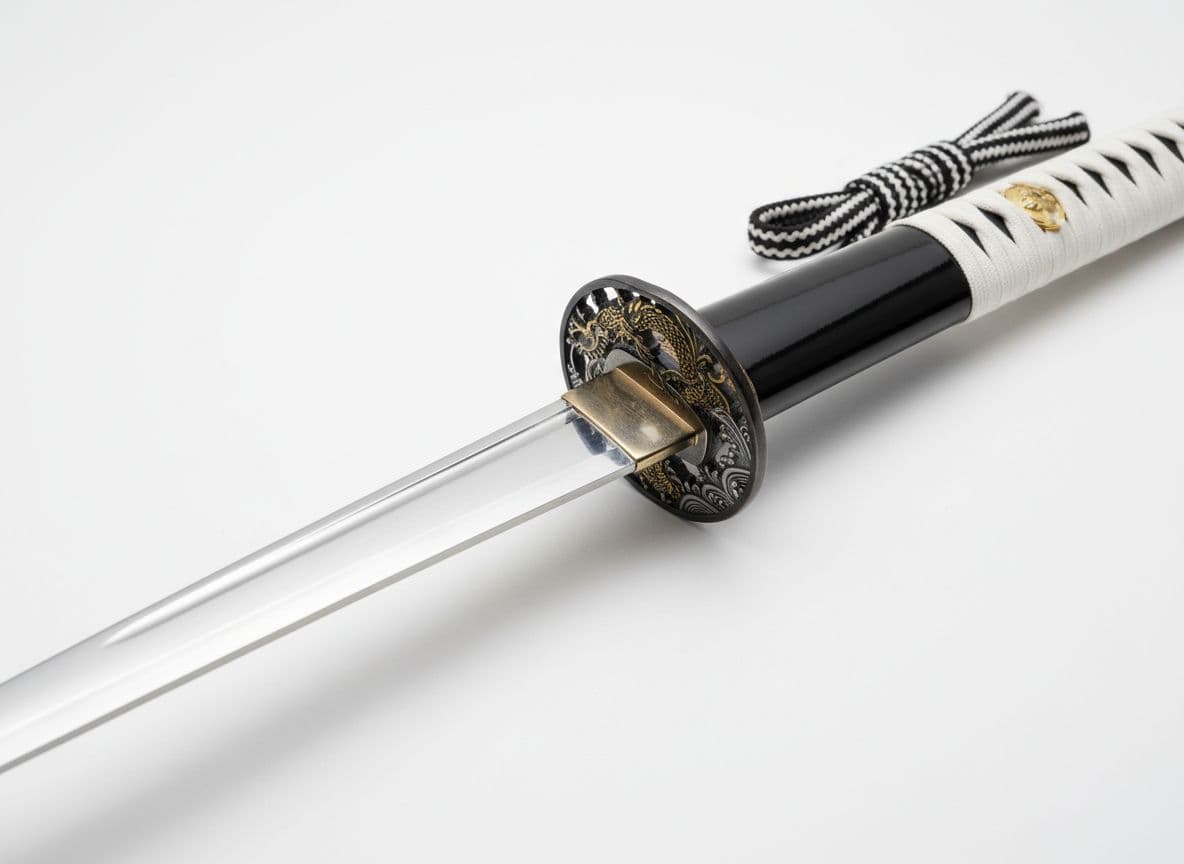
Swords span an enormous range of value. From $20 decorative wall-hangers to authentic Japanese katanas worth $50,000 or more. Many people inherit swords without knowing whether they have a valuable antique or a modern reproduction. The difference between an authentic Civil War cavalry saber and a reproduction can be thousands of dollars, and distinguishing between them requires knowledge of markings, construction, and provenance. Japanese swords (nihonto) are an especially deep collecting field where authentication, smith attribution, and blade quality can mean the difference between a $500 sword and a $50,000 sword. Getting an informed valuation protects you from selling a valuable piece for a fraction of its worth and also prevents you from overpaying for reproductions misrepresented as antiques.
Key Factors That Affect Swords Value
Understanding what drives the price of swords helps you get the most accurate valuation.
Authenticity & Age
Authentic antique swords are worth many times more than reproductions. A genuine Civil War saber might be worth $800-$5,000, while a reproduction is worth $50-$200. Authentic Japanese katanas (nihonto) range from $1,000 to $100,000+, while modern reproductions and Chinese-made copies are worth $50-$500. Period-correct construction, materials, and wear patterns indicate authenticity.
Origin & Type
Japanese swords (katana, wakizashi, tanto) are among the most valuable. Military swords from the Civil War, Revolutionary War, World War I, and World War II have established collector markets. European medieval and Renaissance swords are rare and valuable when authentic. Ceremonial and presentation swords with inscriptions can carry historical premiums.
Maker & Attribution
For Japanese swords, attribution to a known smith and school is the primary value driver. Swords by famous smiths like Masamune or Muramasa are museum-quality pieces. For military swords, known manufacturers (Ames, Collins, Horstmann for US swords) and proof marks help establish origin and value. Signed blades are more valuable than unsigned ones.
Blade Condition
Blade condition is critical. Active rust, deep pitting, bent blades, and chips significantly reduce value. For Japanese swords, the hamon (temper line) pattern, grain structure (hada), and polish quality are key value indicators. A professionally polished Japanese sword can be worth 2-5x more than one in poor polish. Never attempt to clean or polish an antique sword blade yourself.
Fittings & Completeness
A complete sword with original scabbard, grip, guard, and all fittings is worth significantly more than a bare blade. For Japanese swords, the tsuba (guard), menuki (grip ornaments), fuchi-kashira (pommel fittings), and saya (scabbard) all have individual collector value. Original military scabbards, knots, and belt hangers add value to military swords.
Tips for Valuing Swords
Get the most accurate valuation by following these tips when photographing your swords.
Photograph the full sword out of its scabbard, showing the complete blade, guard, and handle
Include close-ups of any markings, stamps, etchings, or inscriptions on the blade and guard
Show the scabbard separately and photograph any fittings, damage, or unique features
For Japanese swords, photograph the tang (nakago) if the handle can be safely removed. The tang often has the smith's signature
Swords Market Insights
The sword collecting market has several distinct segments, each with its own dynamics. Japanese swords (nihonto) have the most established and sophisticated market, with organizations like the NBTHK (Japan) and the Japanese Sword Society of the United States providing authentication and grading. Authenticated nihonto trade through specialized dealers, auction houses (Bonhams, Christie's), and online platforms like Nihonto Message Board and Japanese Sword Index. The military sword market (Civil War, WW1, WW2) is strong, driven by military history collectors and reenactors. European medieval and Renaissance swords are rare in the authentic market, with most available pieces being 19th-century or later. The market for modern custom swords and historical reproductions has grown alongside the popularity of fantasy media and historical martial arts (HEMA). eBay is the largest general marketplace, but specialized dealers and forums yield better results for high-value pieces.
Notable Swords Values
Real-world examples of what specific swords have sold for, so you can benchmark your own.
| Sword | Condition | Typical Value |
|---|---|---|
| Japanese Katana (Edo Period, unsigned) | Used / Unpapered | $800 - $4,000 |
| Japanese Katana (Shinsakuto, modern licensed smith) | New / Papered | $3,000 - $15,000+ |
| American Civil War Cavalry Saber (M1860) | Used / Unrestored | $400 - $1,500 |
| WWI German Imperial Officer's Saber | Used / Complete | $200 - $800 |
| WWII Japanese Type 98 Shin-Gunto | Used / Complete | $500 - $2,500 |
| 18th Century European Smallsword | Authenticated / Display | $1,200 - $6,000+ |
| Wallace Collection-style Scottish Basket Hilt Broadsword | Antique / Used | $600 - $3,500 |
| Modern Production Katana (Paul Chen / Hanwei) | New / Unsharpened | $150 - $500 |
| Decorative Wall Sword (fantasy / costume) | Used | $20 - $100 |
Based on eBay sold listings, Rock Island Auction records, and specialist militaria auction house results.
Find Out What Your Swords Are Worth
Upload a photo now and get a free AI-powered valuation in seconds. No sign-up required.
Swords Valuation FAQ
How do I know if my sword is a real antique or a reproduction?
Authentic antique swords show signs of hand construction: irregular file marks, hand-forged blade geometry, period-appropriate materials, and natural aging. Reproductions often have machine-ground blades, cast (not forged) fittings, and artificially applied 'aging.' For Japanese swords, authentic nihonto have visible grain patterns (hada) and temper lines (hamon) from traditional forging. For military swords, correct markings, proof stamps, and construction techniques indicate authenticity. When in doubt, consult a specialist. Misidentification is common and costly.
Are Japanese swords always valuable?
No. Authentic Japanese swords (nihonto) made by traditional methods are valuable, ranging from $1,000 to over $100,000. However, the vast majority of 'Japanese swords' in American households are WW2 military-issue gunto (machine-made, worth $200-$1,500), Chinese-made replicas ($50-$300), or modern decorative pieces ($20-$100). The key distinction is whether the blade was made using traditional Japanese swordsmithing techniques. An expert or NBTHK papers can confirm authenticity.
Where should I sell a valuable sword?
For Japanese swords, specialized dealers like Aoi Art, Nihonto.com, and platforms like the Nihonto Message Board reach serious collectors. For military swords, Civil War and militaria dealers, as well as auction houses specializing in military antiques, get the best prices. For swords worth $5,000+, major auction houses (Bonhams, Heritage Auctions) provide global exposure. eBay works for mid-range pieces but charges fees. Never sell a potentially valuable sword at a yard sale or pawn shop without first getting an expert opinion.
My grandfather brought back a Japanese sword from WW2. Is it valuable?
WW2 bring-back Japanese swords vary widely in value. Many are mass-produced military gunto worth $200-$1,500. However, some soldiers brought back much older traditionally made swords that Japanese officers carried in military mounts. These can be worth $3,000-$30,000+. The blade should be examined by a knowledgeable person. Key indicators of a valuable blade include visible hamon (temper line), fine grain pattern, and a signature on the tang. Contact the Japanese Sword Society of the United States for help with identification.
Should I clean or restore my antique sword?
Never clean, polish, or sharpen an antique sword yourself. Amateur cleaning destroys patina, removes original finishes, and can permanently damage the blade. For Japanese swords, only a professional togishi (traditional sword polisher) should polish the blade. An improper polish can destroy thousands of dollars in value. For military swords, collectors generally prefer original untouched condition with honest patina. Light oiling to prevent rust is acceptable, but any abrasive cleaning or refinishing should be avoided.
Value anything, anytime
Unlimited valuations, saved history and full reports in the free app.