Last updated: September 2026
How Much Is My Knife Worth?
Whether you have a vintage Case pocket knife, a Benchmade tactical folder, a custom handmade blade, or a collectible Bowie knife, our AI identifies the maker, model, and condition to provide an accurate market valuation. Get realistic pricing before selling, trading, or insuring your knife collection.
Get the free app for unlimited scans


What do you want to value?
Why Knowing Your Knives Value Matters
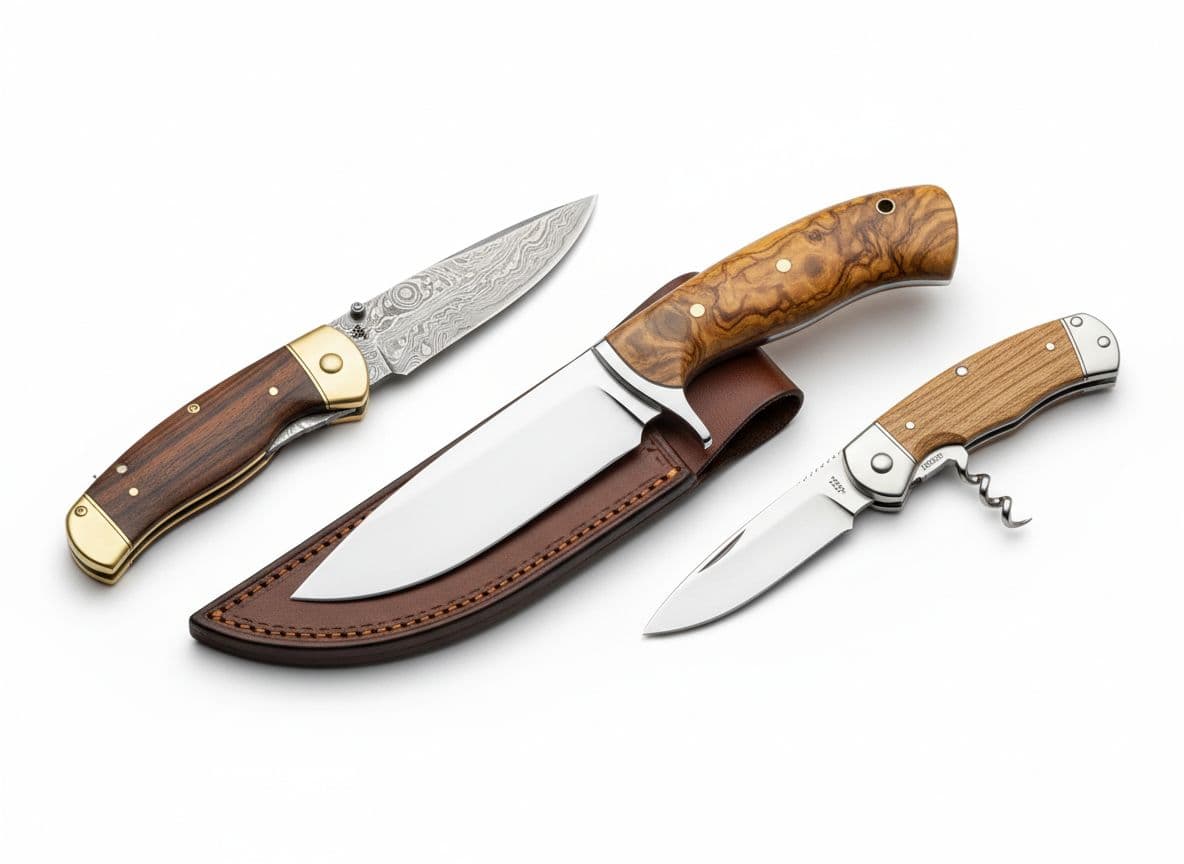
Knives are one of the most collected items in America, with millions of enthusiasts actively buying, selling, and trading blades. The market spans from $20 pocket knives to custom handmade pieces worth $5,000 or more. Many people inherit knife collections without understanding the significant variation in value. A single vintage Case knife in the right pattern and handle material can be worth $200-$2,000, while others in the same collection might be worth $10 each. Knife values also fluctuate based on brand popularity, steel types, and collecting trends. Whether you are selling an individual knife, liquidating a collection, or evaluating a potential purchase, understanding true market value prevents you from being taken advantage of and ensures fair transactions.
Key Factors That Affect Knives Value
Understanding what drives the price of knives helps you get the most accurate valuation.
Maker & Brand
Custom makers (Chris Reeve, Hinderer, Strider, Medford) command premium prices. Production brands like Benchmade, Spyderco, and Zero Tolerance hold value well. Vintage brands like Case, Buck, Remington, and Schrade have active collector markets. Mass-market brands (Gerber, Kershaw, CRKT) depreciate more. Kitchen knives from Wusthof, Zwilling, Shun, and custom makers also have resale value.
Steel Type & Blade Condition
Premium blade steels (S35VN, M390, 20CV, CPM-S90V, Magnacut) add value for modern knives. Damascus and hand-forged steels carry premiums on custom knives. Blade condition is critical. Chips, rust, reprofiled edges, and excessive scratching reduce value. A sharp, clean blade with factory edge or professional sharpening is ideal.
Handle Material & Construction
Handle materials significantly affect value. Stag (deer antler), mother-of-pearl, bone, exotic woods, titanium, and carbon fiber are premium materials. For vintage knives, original handle condition is paramount. Cracked or replaced handles reduce value substantially. For modern folding knives, lock mechanism and action quality matter.
Rarity & Limited Editions
Limited production runs, discontinued models, and special editions carry premiums. Sprint runs from Spyderco, limited-edition Benchmade models, and numbered custom pieces are actively collected. Pattern and variation rarity drives vintage Case and Buck values. First production runs and prototypes are especially valuable.
Completeness & Provenance
Original box, pouch, certificate of authenticity, and papers add 10-20% to the value. For custom knives, documentation of the maker, order date, and specifications significantly increases buyer confidence and price. For vintage knives, known provenance (previous collections, documented history) adds collector premium.
Tips for Valuing Knives
Get the most accurate valuation by following these tips when photographing your knives.
Photograph the knife open (if folding) showing the full blade, handle, and any markings or logos
Include a close-up of the blade tang stamp, maker's mark, or etching that identifies the maker and model
Show the blade edge condition and any scratches, chips, or rust that affect value
For pocket knives, photograph all blade configurations open and show the handle material clearly
Knives Market Insights
The knife collecting market is robust and diverse, spanning vintage pocket knives, modern tactical folders, custom handmade blades, and culinary knives. The modern production knife market is driven by brands like Benchmade, Spyderco, Chris Reeve Knives, and Hinderer, with strong resale values for popular models. The vintage knife market centers around Case, Buck, Remington, and military knives, with strong demand from established collector communities. Custom knife making has experienced a renaissance, with makers like Bob Kramer achieving celebrity status and commanding $5,000-$50,000+ for individual kitchen knives. Online selling platforms include BladeForums (the largest knife community marketplace), eBay, r/Knife_Swap on Reddit, and Facebook knife groups. Knife shows and swap meets remain important venues for high-value and vintage transactions.
Notable Knives Values
Real-world examples of what specific knives have sold for, so you can benchmark your own.
| Knive | Condition | Typical Value |
|---|---|---|
| Buck 110 Folding Hunter (USA, vintage 1970s) | Used / Good | $40 - $120 |
| Case XX Trapper (Bone Handle) | Near Mint | $60 - $180 |
| Benchmade 940 Osborne (Production) | Used | $120 - $220 |
| Spyderco Paramilitary 2 (Sprint Run / Special Edition) | Near Mint | $200 - $500 |
| Chris Reeve Knives Sebenza 21 (Plain) | Used | $300 - $500 |
| Randall Made Knives Model 1 Fighter (Custom Order) | Authenticated | $500 - $1,500+ |
| William Henry Monarch (Damascus / Gem-Set) | Near Mint | $800 - $3,000+ |
| Microtech Ultratech OTF (Production) | Used | $200 - $380 |
| Al Mar SERE 2000 (Vintage Production) | Used / Good | $150 - $350 |
Based on eBay sold listings, blade forums (BladeForums.net), and secondary market auction records.
Find Out What Your Knives Are Worth
Upload a photo now and get a free AI-powered valuation in seconds. No sign-up required.
Knives Valuation FAQ
Which knife brands hold their value best?
Custom makers like Chris Reeve, Hinderer, and Strider hold value best, often selling at or above retail on the secondary market due to waitlists. Among production brands, Benchmade, Spyderco, and Zero Tolerance retain 60-80% of value for popular models. Vintage Case knives with desirable patterns and handle materials have appreciated over time. Budget brands like Kershaw and CRKT typically lose 40-60% immediately after purchase.
Are old pocket knives worth anything?
Many vintage pocket knives have significant collector value. Case knives with tested XX stamps (pre-1970) in stag or bone handles can be worth $100-$2,000+. Old Buck 110s from the 1960s-1970s are worth $50-$300. Remington pocket knives from the 1920s-1940s are highly collectible ($100-$1,000+). Even common vintage pocket knives from known brands typically sell for $20-$75. The key factors are the brand, handle material, pattern, and overall condition.
Where should I sell my knives?
BladeForums Buy/Sell/Trade section is the most active knife marketplace with knowledgeable buyers. Reddit's r/Knife_Swap is excellent for modern production and custom knives. eBay reaches the broadest audience but charges higher fees. Facebook knife collecting groups offer direct sales to enthusiasts. For vintage and antique knives, knife shows and established auction houses reach the most serious collectors. For kitchen knives, specialty culinary forums and Chef's Edge marketplace are good options.
Does sharpening my knife reduce its value?
Professional sharpening or maintaining a clean edge does not reduce value for users' knives. However, for collectible and mint-condition knives, any modification to the factory edge can reduce collector value. Reprofiling (changing the blade angle significantly), uneven sharpening, and excessive metal removal are the biggest value reducers. If you have a collectible knife in unused condition, leave the factory edge alone. For knives intended for use, a well-maintained edge is expected.
How do I identify my knife's maker and model?
Look for tang stamps on the blade (the flat area near the handle), etchings on the blade surface, logos on the handle or clip, and model numbers on the blade or handle. For Case knives, the tang stamp pattern indicates the era of manufacture. Take a clear photo of any markings and compare against online databases like AllAboutPocketKnives.com for vintage pieces or manufacturer websites for modern knives. Our AI can also help identify your knife from a clear photo.
Value anything, anytime
Unlimited valuations, saved history and full reports in the free app.