Last updated: September 2026
How Much Is My Firearm Worth?
Whether you have an inherited hunting rifle, a collectible revolver, a modern semi-automatic pistol, or a vintage shotgun, our AI analyzes the manufacturer, model, caliber, and condition to provide an accurate market valuation. Understand what your firearm is worth before selling to a dealer, listing on GunBroker, or settling an estate.
Get the free app for unlimited scans


What do you want to value?
Why Knowing Your Firearms Value Matters
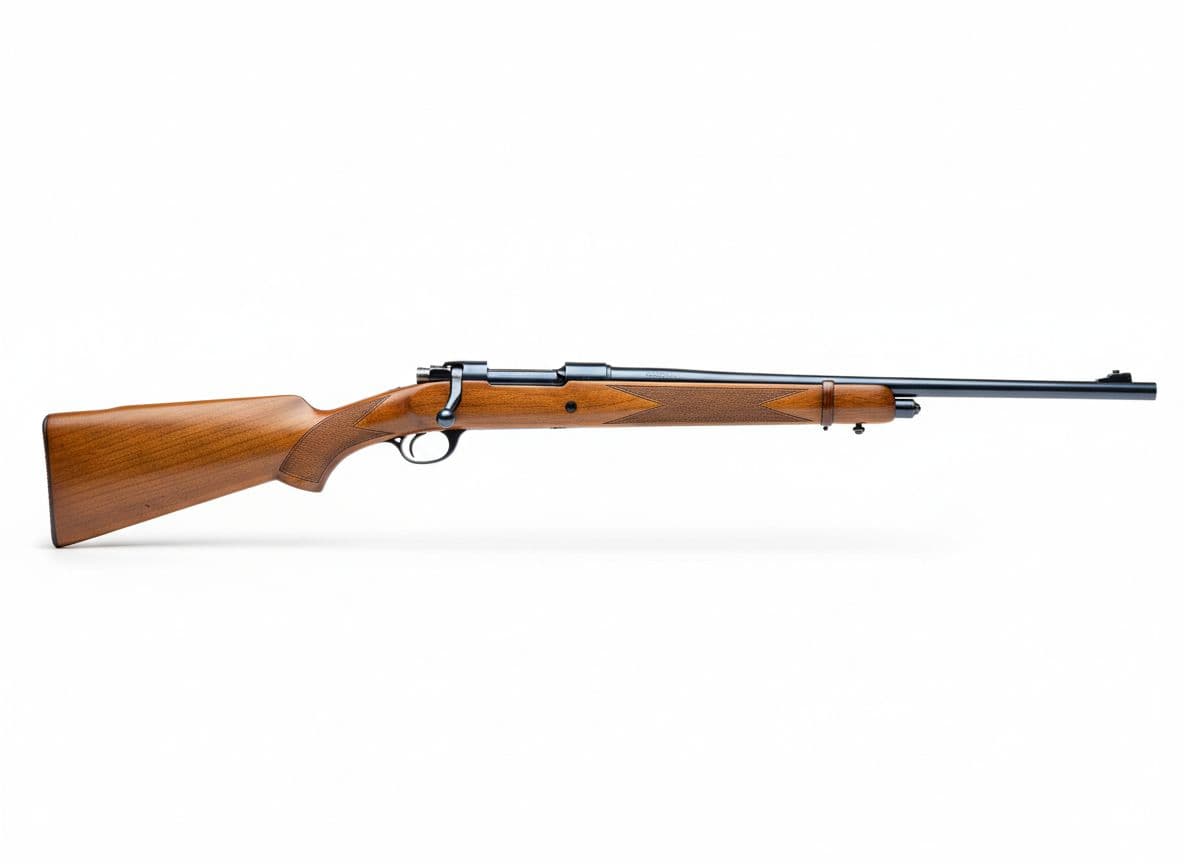
Firearms are among the most commonly inherited items where the new owner has little idea of the value. A single firearm inherited from a grandparent could be worth $200 or $20,000 depending on the make, model, year, and condition. Many people walk into gun shops and accept lowball offers because they lack market knowledge. Estate settlements involving firearms can be especially complex. Executors need accurate values for probate, insurance, and equitable distribution among heirs. Even everyday firearms fluctuate in value based on political climate, ammunition availability, and manufacturer reputation. Our AI tool gives you an unbiased starting estimate so you can make informed decisions about selling, insuring, or keeping your firearms.
Key Factors That Affect Firearms Value
Understanding what drives the price of firearms helps you get the most accurate valuation.
Manufacturer & Model
The brand and specific model are the primary value drivers. Colt, Smith & Wesson, Winchester, Remington, Browning, and Ruger are among the most recognized names. A Colt Python revolver can be worth $2,000-$5,000+, while a common Remington 870 shotgun might be $250-$400. Pre-war Winchesters, early Colt revolvers, and certain military-issue firearms command premium prices.
Condition & Finish
Firearm condition is graded from Poor to New In Box (NIB). Original bluing percentage, bore condition, stock condition, and mechanical function all affect value. A firearm with 95%+ original finish can be worth 2-5x more than the same model with heavy wear. Re-blued or refinished firearms are worth significantly less than those with original finishes.
Age & Historical Significance
Pre-1899 antique firearms are exempt from many federal regulations, adding collector appeal. Firearms tied to specific wars (Civil War, WWI, WWII), frontier history, or notable events carry premium value. Military-marked firearms with matching serial numbers on all parts (matching bolt, barrel, stock) are worth more than mismatched examples.
Rarity & Production Numbers
Limited production runs, special editions, commemoratives, and discontinued models often appreciate significantly. A Winchester Model 1873 'One of One Thousand' is worth $100,000+. Even modern limited editions from companies like Kimber or Wilson Combat hold value well. Low serial numbers and prototype or pre-production models also command premiums.
Accessories & Provenance
Original boxes, manuals, extra magazines, and factory accessories add 10-30% to value. Documented provenance. Letters of authenticity, factory letters from Colt or Winchester, or documented ownership history. Can dramatically increase value. A firearm with a Colt factory letter confirming its original shipment details is worth more than an identical unlettered example.
Tips for Valuing Firearms
Get the most accurate valuation by following these tips when photographing your firearms.
Photograph both sides of the firearm clearly showing the overall condition, stock, and metal finish
Include close-ups of any manufacturer markings, serial numbers, caliber stamps, and proof marks
Show the condition of the bore (looking down the barrel) if safely possible, as bore condition significantly affects value
Never clean, polish, or refinish a firearm before valuation. Original patina and finish are critical to collector value
Firearms Market Insights
The firearms market is one of the most active collectible markets in the United States, with billions in annual transactions. GunBroker.com has become the primary online marketplace, providing transparent pricing data. The market is heavily influenced by political cycles, proposed legislation, and cultural trends. Classic revolvers, pre-64 Winchester lever actions, and military surplus firearms have seen steady appreciation over the past decade. Modern sporting rifles fluctuate more with political sentiment. The estate and inherited firearm segment is growing as the baby boomer generation passes collections to heirs who may not share the same interest. If you have inherited firearms, getting an accurate valuation before selling ensures you receive fair market value rather than a fraction of what they are worth.
Notable Firearms Values
Real-world examples of what specific firearms have sold for, so you can benchmark your own.
| Firearm | Condition | Typical Value |
|---|---|---|
| Colt Single Action Army (SAA) Revolver, 1st Generation | Good - Very Good | $1,500 - $5,000 |
| Winchester Model 1873 Lever-Action Rifle | Good | $800 - $3,500 |
| Colt 1911 Government Model (WWII GI Issue) | Used - Good | $700 - $2,500 |
| Smith & Wesson Model 29 (.44 Magnum), Pre-Lock | Very Good | $800 - $1,800 |
| Ruger 10/22 Carbine (Standard Production) | Used | $150 - $300 |
| Remington 870 Wingmaster (12-Gauge) | Used | $200 - $450 |
| German Luger P08 (WWII Era) | Good - Very Good | $800 - $2,500 |
| Colt Python (.357 Magnum), Pre-1997 Production | Very Good - Excellent | $2,000 - $5,000+ |
| Springfield Armory M1 Garand (WWII Production) | Good | $600 - $1,800 |
Based on recent GunBroker and Rock Island Auction sold listings, Blue Book of Gun Values, and documented CMP sale records.
Find Out What Your Firearms Are Worth
Upload a photo now and get a free AI-powered valuation in seconds. No sign-up required.
Firearms Valuation FAQ
How do I find out what model firearm I have?
Look for markings on the barrel or receiver. Most firearms have the manufacturer name, model, and caliber stamped or engraved. The serial number can be used to research production dates through manufacturer archives or services like the Colt Archive or Winchester factory letter programs. Our AI can identify most common makes and models from a clear photograph.
Do I need a license to sell a firearm?
Private sales between individuals within the same state are legal in many states without a license, but laws vary significantly by state. Some states require all sales to go through a licensed dealer (FFL) with a background check. Interstate sales must go through an FFL. Always research your state and local laws before selling a firearm, or consult a licensed dealer to handle the transaction.
Are old or antique guns worth more?
Not always. Age alone does not determine value. A common late-1800s shotgun might be worth $100-$300, while a modern Colt Python from the 1980s could be worth $3,000+. However, rare antique firearms in good condition. Particularly Colts, Winchesters, and military arms. Can be extremely valuable. Firearms manufactured before 1899 are legally classified as antiques and are exempt from many regulations, which adds appeal for some collectors.
Should I sell my inherited firearms to a gun shop or online?
Gun shops typically offer 40-60% of retail value because they need to resell at a profit. Online platforms like GunBroker often yield higher prices (70-90% of retail) because you are selling directly to collectors and end buyers. Consignment through a reputable dealer is a middle ground. They handle the transaction for a 15-25% commission. For rare or valuable firearms, specialty auction houses like Rock Island Auction or James D. Julia can achieve the highest prices.
Does modifying a firearm affect its value?
In most cases, modifications decrease value. Collectors strongly prefer original, unmodified firearms. Adding aftermarket stocks, scopes, triggers, or finishes typically reduces collector value even if they improve functionality. The exception is custom work by renowned gunsmiths or factory upgrades. If you have a potentially valuable firearm, never modify it before getting an appraisal. Original condition almost always commands the highest price.
Firearms Price Guides
Value anything, anytime
Unlimited valuations, saved history and full reports in the free app.