Last updated: September 2026
How Much Is My Military Memorabilia Worth?
From Civil War swords and WWI helmets to WWII uniforms and Vietnam-era gear, our AI identifies your military items and provides accurate market valuations. Whether you inherited a veteran's collection or found items at an estate sale, get professional-quality appraisals without visiting a militaria dealer.
Get the free app for unlimited scans


What do you want to value?
Why Knowing Your Military Memorabilia Value Matters
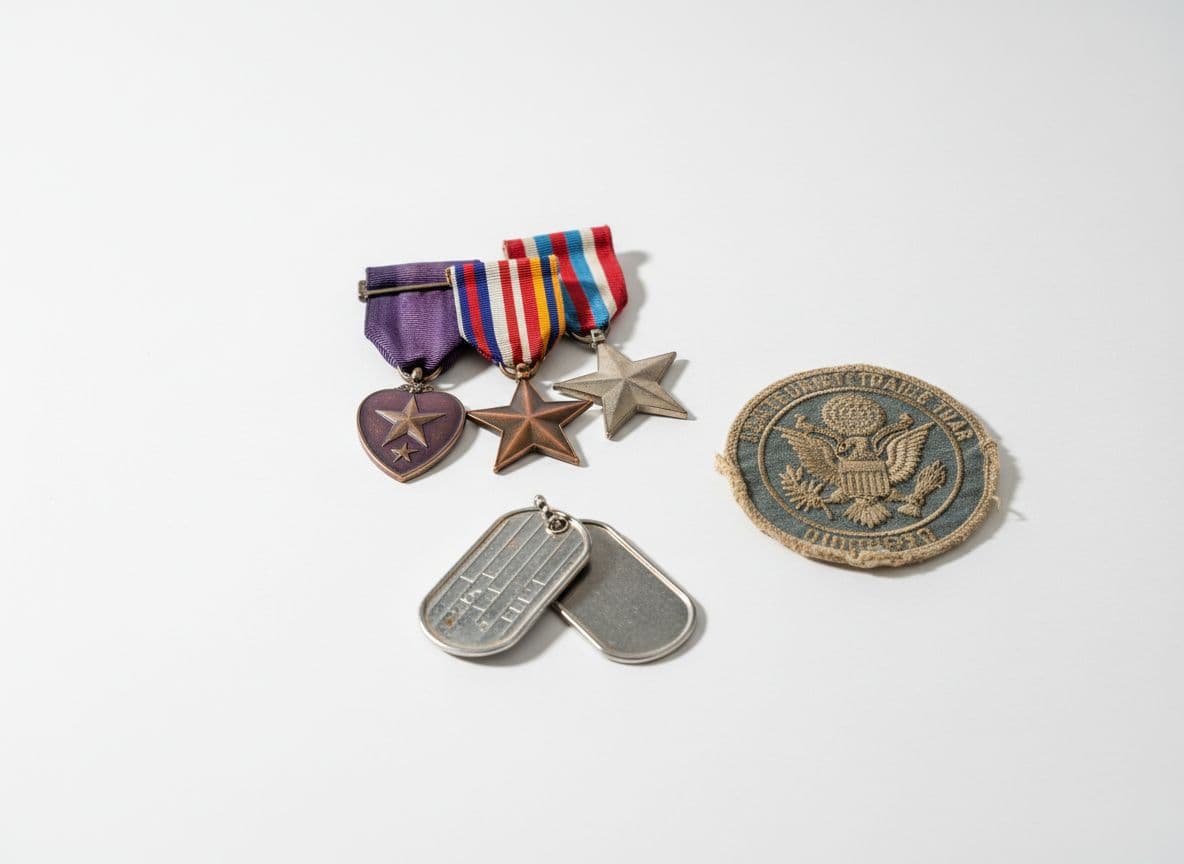
Military memorabilia connects us to history and the people who served. These items carry both historical significance and substantial monetary value. A WWII Airborne paratrooper jacket can sell for $2,000-$10,000, while Civil War items regularly command four and five figures at auction. Many families have military items stored away from relatives' service without understanding their market value. As the generations who served in WWII and Korea pass away, their memorabilia enters the market in increasing quantities, making proper valuation essential for families settling estates.
Key Factors That Affect Military Memorabilia Value
Understanding what drives the price of military memorabilia helps you get the most accurate valuation.
Conflict & Era
Items from certain conflicts are more valuable. Civil War items are among the most collected, followed by WWII. WWI, Revolutionary War, and Vietnam items also have strong markets. Generally, older items and those from more significant conflicts command higher prices.
Branch & Unit Association
Items associated with elite units command premiums. Airborne, Rangers, Marines, Special Forces, and named fighter groups are particularly sought after. If an item can be traced to a specific soldier or unit through documentation, research, or markings, its value increases substantially.
Condition & Authenticity
Original condition is crucial, and the military memorabilia market is plagued by reproductions and fakes. Authentic items with proper aging, construction techniques, and materials are essential. Provenance documentation, service records, and family history add value and confirm authenticity.
Rarity & Type
Common enlisted uniforms are worth less than officer's items. Rare items like presentation swords, named medals, captured enemy items, and items from famous battles or units carry significant premiums. Items with combat damage or documented battlefield history are also more valuable.
Named & Documented Pieces
Items that can be attributed to a specific service member through dog tags, name stamps, documentation, or research are worth significantly more than anonymous items. A generic WWII helmet might sell for $200, but one identified to a specific D-Day veteran could bring $2,000+.
Tips for Valuing Military Memorabilia
Get the most accurate valuation by following these tips when photographing your military memorabilia.
Photograph all labels, stamps, markings, and tags inside uniforms and on equipment
Include any documents, photos, or letters that came with the items for provenance
Show close-ups of medals, insignia, and any unit-specific markings
Photograph items in natural light to accurately capture colors and condition
Military Memorabilia Market Insights
The military memorabilia market remains strong, driven by both history enthusiasts and serious collectors. WWII items are the most actively traded category, with German items generally commanding the highest prices due to collector demand and display restrictions that limit supply in some markets. American WWII items have seen steady appreciation, particularly items associated with D-Day, the Pacific Theater, and elite units. The Civil War market is mature and high-value, with even modest items bringing premium prices. Vietnam-era items are increasingly collected as that generation ages. The market for post-Vietnam items is still developing but growing. Online authentication services and collector forums have made the market more accessible while also increasing awareness of reproductions.
Notable Military Memorabilia Values
Real-world examples of what specific military memorabilia have sold for, so you can benchmark your own.
| Military Memorabilia | Condition | Typical Value |
|---|---|---|
| WWII German M40 Steel Helmet (Stahlhelm) | Used / Unissued | $300 - $1,200 |
| U.S. WWII Congressional Medal of Honor (named, documented) | Authenticated | $150,000 - $500,000+ |
| WWII U.S. M1 Garand Rifle (Springfield Armory) | Used / Matching | $800 - $3,500 |
| Vietnam War-Era U.S. Dog Tags (Named Pair) | Used | $15 - $80 |
| WWI British Victoria Cross Medal (named recipient) | Authenticated | $60,000 - $400,000+ |
| WWII U.S. Army Air Forces A-2 Leather Flight Jacket (named/painted) | Used / Original | $2,000 - $20,000+ |
| WWII German Iron Cross First Class (EK1) | Used | $200 - $900 |
| U.S. Civil War Infantry Sword (Model 1840, maker-marked) | Used | $400 - $2,500 |
| WWII Ration Book / War Bond (U.S. homefront) | Used | $5 - $40 |
Based on eBay sold listings, Heritage Auctions records, Rock Island Auction results, and established military antique dealer price guides.
Find Out What Your Military Memorabilia Are Worth
Upload a photo now and get a free AI-powered valuation in seconds. No sign-up required.
Military Memorabilia Valuation FAQ
How do I know if my military items are authentic?
Authentic military items show proper construction techniques, materials, and aging consistent with their era. Look for correct hardware, stitching methods, and fabric types. Many reproductions exist, especially for German WWII items. Our AI can help identify obvious reproductions, but for high-value items, consulting a specialist dealer or authentication service is recommended.
Are WWII items still valuable?
Yes, WWII memorabilia remains one of the strongest collecting categories. Helmets ($100-$2,000+), uniforms ($50-$5,000+), medals ($20-$500+), and weapons ($200-$5,000+) all have active markets. Items associated with specific units, battles, or named service members command the highest prices.
What should I do with inherited military items?
First, get them properly valued before selling or donating. Document any family history connected to the items. Some items may be of museum interest. If selling, specialized militaria dealers and auction houses typically get better prices than general antique dealers. Our AI can help you quickly identify the most valuable pieces in a collection.
Is it legal to own and sell military memorabilia?
In the US, most military memorabilia is legal to own and sell, including deactivated weapons, uniforms, and medals. Active military items with current classification markings should not be collected. Some countries restrict sales of items bearing certain symbols. Firearms may require proper licensing depending on their status. Always check local laws when buying or selling.
Military Memorabilia Price Guides
Value anything, anytime
Unlimited valuations, saved history and full reports in the free app.