Last updated: September 2026
How Much Are Arrowheads Worth?
Arrowheads and projectile points are among the most commonly found and collected artifacts in North America. From common broken points worth a few dollars to rare Clovis points worth tens of thousands, the market spans 13,000+ years of history. Our AI identifies your arrowhead's type, material, approximate age, and condition to estimate its value.
Get the free app for unlimited scans


What do you want to value?
Why Knowing Your Arrowheads & Artifacts Value Matters
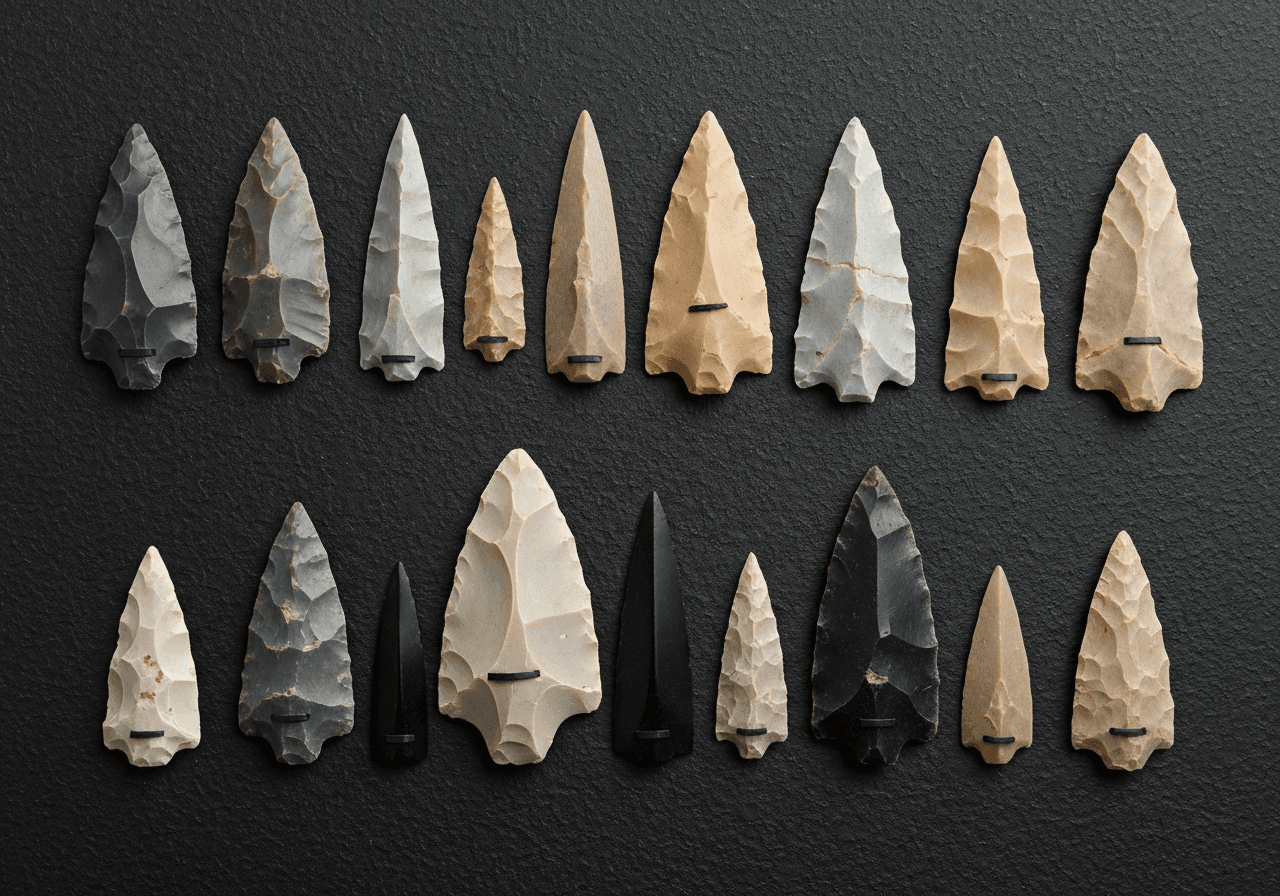
Arrowheads are the most accessible archaeological collectible. They're found on the surface across North America by farmers, hikers, and hobbyists. Most common arrowheads are worth $5-$30, but rare types in quality materials command extraordinary prices. A Clovis point (the oldest well-documented projectile points, 13,000+ years old) can sell for $5,000-$50,000+. Even relatively common types in exceptional condition or unusual materials bring $50-$500. Many casual collectors have arrowheads found by family members over generations without realizing specific pieces could be worth significant money.
Key Factors That Affect Arrowheads & Artifacts Value
Understanding what drives the price of arrowheads & artifacts helps you get the most accurate valuation.
Type & Age
Clovis points (13,000+ years): $1,000-$50,000+. Folsom points: $1,000-$20,000+. Dalton points: $100-$5,000+. Archaic period points: $10-$500+. Woodland/Mississippian points: $5-$200+. The older and rarer the type, the higher the value. Type identification requires knowledge of regional chronologies.
Material
Obsidian: valued for beauty and workmanship ($20-$500+). High-quality flint/chert: standard material, value depends on type. Exotic materials (quartz crystal, chalcedony, jasper): premiums for unusual colors and translucency. The material's visual appeal and knapping quality affect both collector and aesthetic value.
Size & Craftsmanship
Larger, well-made points are worth more than small, crude examples. Exceptional flaking (thin, symmetrical, fine pressure flaking): significant premiums. Points showing exceptional skill represent the pinnacle of stone-age technology and are valued accordingly. Overshot flaking on Clovis points is a hallmark of authenticity and quality.
Condition
Perfect (no damage): full value. Minor edge damage: 30-50% reduction. Broken/glued: 50-80% reduction. Heavily damaged: minimal value for common types, but rare types retain value even when broken (a broken Clovis is still worth $500+). Authenticity is more important than condition for rare types.
Provenance & Documentation
Points with documented find locations and collection history command premiums. Points from known archaeological sites have increased historical significance. Undocumented points are still valuable but provenance adds 20-50% for desirable types. Be aware of laws regarding artifacts from federal and some state lands.
Tips for Valuing Arrowheads & Artifacts
Get the most accurate valuation by following these tips when photographing your arrowheads & artifacts.
Photograph both sides of the arrowhead clearly in natural light
Include something for scale. A coin or ruler next to the point
Note the material (obsidian, flint, quartz, etc.) and any translucency
Record where the arrowhead was found if known. Provenance adds value
Arrowheads & Artifacts Market Insights
The arrowhead market is active with dedicated shows, auctions, and online communities. Prices for quality Paleo-Indian points (Clovis, Folsom) have shown strong appreciation. The market benefits from ongoing surface finds that keep new material entering the collecting pool. Authentication is important. Reproduction arrowheads exist but experienced collectors can distinguish them. The intersection of archaeology, history, and outdoor discovery gives arrowhead collecting a unique appeal that sustains interest across generations.
Find Out What Your Arrowheads & Artifacts Are Worth
Upload a photo now and get a free AI-powered valuation in seconds. No sign-up required.
Arrowheads & Artifacts Valuation FAQ
What arrowheads are worth the most?
Clovis points ($1,000-$50,000+) are the most valuable common type due to their age (13,000+ years) and iconic status. Folsom points: $1,000-$20,000+. Large, well-made Dalton points: $100-$5,000+. Material matters: obsidian and exotic stone points command premiums. Any Paleo-Indian point in good condition is potentially valuable.
Is it legal to collect arrowheads?
In the US: collecting arrowheads from the surface on private land with the landowner's permission is legal in most states. Collecting from federal land is illegal (Archaeological Resources Protection Act). Some states have additional restrictions on state land. Digging for artifacts is illegal on any public land. Always check local laws.
How do I know if my arrowhead is real or a reproduction?
Genuine arrowheads show: natural weathering/patina, authentic percussion and pressure flaking patterns, appropriate material for the region, and consistent aging. Reproductions often have: fresh-looking flake scars, inappropriate materials, modern grinding marks, or 'too perfect' symmetry. Authentication by experienced collectors or archaeologists is available for valuable pieces.
Are broken arrowheads worth anything?
Common broken points have minimal value ($1-$5). However, broken rare types retain significant value. A broken Clovis point is still worth $500+. Points broken in antiquity (impact fractures) are more acceptable than modern breaks. Professionally repaired points (glued) sell at 30-50% of intact value.
Where can I sell arrowheads?
Arrowhead shows and artifact shows are the best venues for serious pieces. Knowledgeable buyers attend these events. eBay has a large artifact market. Specialty auction houses handle high-value pieces ($1,000+). Facebook groups for artifact collecting are very active. For Paleo-Indian points, consignment through established artifact dealers typically achieves the best prices.
Value anything, anytime
Unlimited valuations, saved history and full reports in the free app.