Last updated: September 2026
How Much Are Vintage Computers Worth?
Vintage computers. From the Apple II and Commodore 64 to early Macintoshes and IBM PCs. Have become serious collectibles as computing history gains cultural appreciation. Our AI identifies your computer's model, configuration, and condition for a market estimate.
Get the free app for unlimited scans


Compare real prices
See what vintage computers are listed for right now
Affiliate link: we earn a commission if you buy, at no extra cost to you.
What do you want to value?
Get the free app for unlimited scans
Why Knowing Your Vintage Computers Value Matters
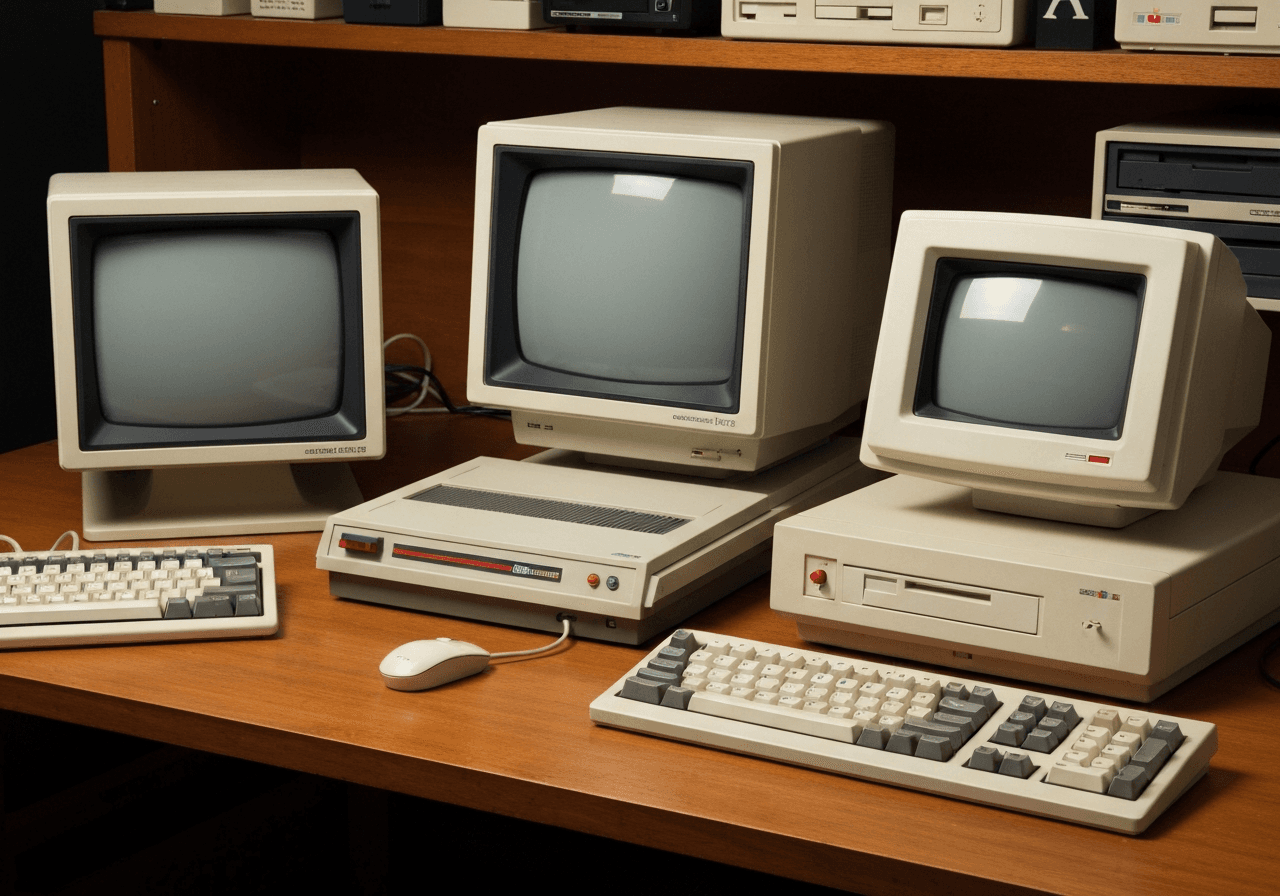
Many people have old computers stored in closets and garages without realizing their collectible value. An Apple-1 (only ~200 made) sold for $905,000 at auction. A working Apple II in good condition: $500-$2,000+.commodore 64 with accessories: $100-$300. Original Macintosh 128K: $300-$1,500. Even IBM PCs and early clones have modest value. The tech nostalgia market is growing rapidly as the generation that grew up with these machines enters their peak spending years and seeks to recreate the computing experiences of their youth.
Key Factors That Affect Vintage Computers Value
Understanding what drives the price of vintage computers helps you get the most accurate valuation.
Model & Brand
Apple-1 ($100K-$900K+).apple II/IIe/IIgs ($200-$2K+). Macintosh 128K/512K ($300-$1.5K).commodore 64 ($50-$200).commodore Amiga ($100-$500+). IBM PC 5150 ($200-$1K+). Tandy/Radio Shack TRS-80 ($100-$500). Atari 400/800 ($50-$300). NeXT ($500-$3K+).
Completeness
Computer only: base pricing. With original keyboard, mouse, power supply: full value. With monitor: +$50-$200. With original box and manuals: 2-3x base. With original software: adds 10-30%.complete systems ready to use command the best prices.
Working Condition
Fully working, boots to OS: full value. Powers on but issues (bad disk drive, no video): 60-80%. Not powering on: 30-50%. For capacitor-prone machines (Amiga, Mac SE), working condition is a significant differentiator.
Rarity & Historical Significance
First-generation products (Apple-1, IBM 5150, Macintosh 128K) are most valuable. Limited production models: premium. Historically significant machines (NeXT used by Tim Berners-Lee) can be museum pieces. Prototypes and pre-production units: extreme rarity premiums.
Software & Accessories
Original software in boxes: $10-$200+ per title. Original manuals: $10-$50. Peripherals (disk drives, printers, modems): $20-$200. Game software for home computers: can be worth more than the computer itself for rare titles.
Tips for Valuing Vintage Computers
Get the most accurate valuation by following these tips when photographing your vintage computers.
Don't attempt to power on old computers without checking capacitors first. Leaking caps can cause damage
Include all cables, peripherals, and software you have with the system
Photograph the model number/serial number label
Original boxes and packaging significantly increase value for any vintage computer
Vintage Computers Market Insights
The vintage computer market has grown from a niche hobby to a recognized collectibles category. Auction houses like Bonhams and Heritage regularly feature vintage computers. The retrocomputing community is active online and at meetups.apple products command the highest premiums due to brand recognition and Steve Jobs mystique. The market is supported by both collectors (display/preservation) and enthusiasts (restoration/use). As more early computers fail or are discarded, surviving working examples become increasingly scarce and valuable.
Find Out What Your Vintage Computers Are Worth
Upload a photo now and get a free AI-powered valuation in seconds. No sign-up required.
Vintage Computers Valuation FAQ
What old computers are worth the most?
Apple-1 ($100K-$900K+), NeXT Computer ($500-$3K+), original Macintosh 128K ($300-$1.5K), Apple Lisa ($5K-$50K+), Apple II ($200-$2K+), Xerox Alto ($10K-$100K+). Even common Commodore 64s and Apple IIe systems are worth $50-$500.
Is my old Mac worth anything?
Most Macs have some value. Original 128K/512K Macs: $300-$1,500. Mac SE/Classic: $50-$200. Early PowerBooks: $50-$300. iMac G3 (colored): $50-$150. Power Mac G3/G4: $50-$200. Even 2000s-era Macs have modest value ($30-$100).
Are old IBM PCs valuable?
The original IBM 5150 (1981): $200-$1,000+ depending on configuration. IBM PC XT: $100-$500. IBM AT: $100-$400. PS/2 models: $50-$200. IBM compatibles/clones: generally lower value unless rare brands.
Should I try to fix my old computer?
Proceed carefully. Capacitor replacement is often needed and can be done by someone with soldering skills. Don't attempt repairs beyond your skill level. Damage from amateur repair reduces value. For potentially valuable machines ($500+), consult a vintage computer specialist.
Where can I sell vintage computers?
eBay for the broadest audience. VCF (Vintage Computer Festival) communities for enthusiast buyers. Heritage Auctions and Bonhams for high-value pieces. Facebook retrocomputing groups. Local electronics recyclers are a last resort and pay the least.
Value anything, anytime
Unlimited valuations, saved history and full reports in the free app.