Last updated: September 2026
How Much Is Your Oil Painting Worth?
Whether you have an original oil painting by a listed artist, a decorative piece from an estate sale, a family portrait passed down through generations, or a thrift store find, our AI analyzes the artist, style, period, size, and condition to provide an accurate valuation. Inherited a painting? Downsizing your collection? Know what your art is worth.
Get the free app for unlimited scans


Compare real prices
See what oil paintings are listed for right now
Affiliate link: we earn a commission if you buy, at no extra cost to you.
What do you want to value?
Get the free app for unlimited scans
Why Knowing Your Oil Paintings Value Matters
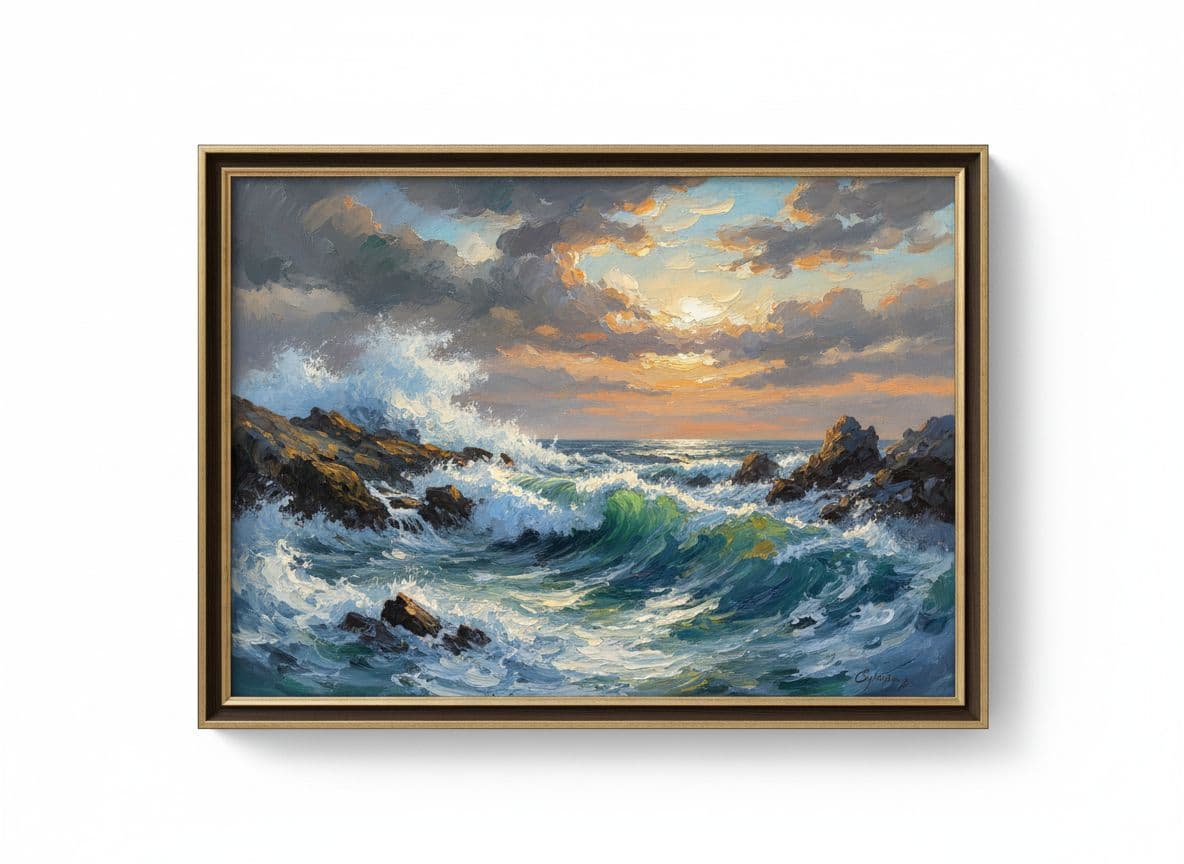
Oil paintings span one of the widest value ranges of any collectible. From $20 decorative pieces to multi-million dollar museum-quality works. The vast majority of oil paintings owned by everyday people are worth $50-$500 as decorative art, but a small percentage are genuinely valuable, and many owners don't know which category theirs falls into. Artist attribution is the single most important factor. A painting by a 'listed artist' (one who appears in art price databases with auction records) can be worth 10-1,000x more than a similar-looking painting by an unknown artist. Subject matter, size, period, and condition all affect value, but without artist identification, precise valuation is impossible. Many valuable paintings hang unrecognized in homes, purchased decades ago at yard sales or inherited from relatives. Conversely, many owners believe family paintings are valuable simply because they are old. Age alone does not create value in art. Professional appraisal is critical for paintings that may be by listed artists.
Key Factors That Affect Oil Paintings Value
Understanding what drives the price of oil paintings helps you get the most accurate valuation.
Artist Attribution
The artist's identity determines 90%+ of a painting's value. 'Listed artists' with auction records and gallery representation command the highest prices. Regional artists may be well-known locally but unknown nationally. Unsigned paintings are harder to value. Style analysis can sometimes identify the artist or school. Provenance (documented ownership history) strengthens attribution. Paintings 'attributed to,' 'school of,' or 'after' a famous artist are worth far less than authenticated originals.
Subject & Style
Landscapes, seascapes, and still lifes are the most commercially popular subjects and sell best in the decorative market. Portraits are harder to sell unless the sitter is notable or the artist is significant. Abstract and modern paintings depend heavily on artist reputation. Animal paintings, especially dogs and horses, have dedicated collector markets. Dark, moody, or disturbing subjects are harder to sell regardless of quality.
Size & Presentation
Medium-sized paintings (18x24 to 30x40 inches) sell best in the decorative market. They fit standard wall spaces. Very large paintings (over 48 inches) have a limited market due to space constraints. Small paintings (under 12 inches) can be valuable if by notable artists but are harder to sell as decor. Original frames can add significant value. Antique gilt frames alone can be worth $100-$1,000+. Gallery-wrapped contemporary canvases appeal to modern buyers.
Age & Period
Age alone does not make a painting valuable. A mediocre 18th-century painting may be worth less than an excellent contemporary work. However, period matters for context: 19th-century American and European landscapes are highly collected. Early 20th-century Impressionist-influenced works have strong markets. Mid-century modern and abstract expressionist works are trending upward. Contemporary works depend entirely on the artist's reputation and gallery representation.
Condition
Condition critically affects value for significant paintings. Tears, paint loss, heavy cracking, discoloration, or amateur restoration reduce value by 30-70%. Professional conservation can restore value but costs $500-$5,000+. Surface dirt and aged varnish are common and fixable. A cleaning alone can transform a painting's appearance. For decorative-value paintings, moderate condition issues are less impactful since buyers are purchasing for visual appeal rather than investment.
Tips for Valuing Oil Paintings
Get the most accurate valuation by following these tips when photographing your oil paintings.
Photograph the entire painting in even, natural light without flash or glare
Take a close-up of the signature. This is the most important detail for valuation
Photograph the back of the canvas showing any labels, stamps, gallery stickers, or writing
Include a ruler or common object for scale, and note the dimensions in your listing
Oil Paintings Market Insights
The oil painting market is segmented: auction houses handle significant works by listed artists, galleries represent contemporary artists, and the decorative market (eBay, Etsy, estate sales, antique shops) handles everything else. For most owners, the decorative market is the relevant one. Here, paintings sell based on visual appeal, subject, size, and color palette rather than artist pedigree. The online decorative art market has grown substantially, with eBay, Chairish, 1stDibs, and Etsy being major platforms. Interior designers are significant buyers of vintage and antique oil paintings for client projects. If you suspect your painting may be by a listed artist, check the signature against auction databases like Artnet, MutualArt, or AskArt. For potentially valuable works, a professional appraisal ($100-$300) can identify whether formal auction consignment is worthwhile.
Notable Oil Paintings Values
Real-world examples of what specific oil paintings have sold for, so you can benchmark your own.
| Oil Painting | Condition | Typical Value |
|---|---|---|
| Unknown 19th-century portrait (unsigned, European school) | Unrestored | $50 - $500 |
| Signed American regionalist landscape (1920s-1950s, listed artist) | Good, unframed | $500 - $5,000 |
| Thomas Kinkade limited-edition oil-on-canvas (signed, numbered) | Authenticated | $400 - $2,500 |
| Leroy Neiman sports scene original oil | Authenticated, framed | $8,000 - $60,000+ |
| Bob Ross original oil painting (The Joy of Painting era) | Authenticated | $8,000 - $25,000 |
| 19th-century Hudson River School landscape (attributed, listed artist) | Restored, framed | $3,000 - $40,000 |
| Andy Warhol small-format oil or acrylic on canvas | Authenticated, provenance | $50,000 - $500,000+ |
| Contemporary mid-career artist original oil (gallery represented) | Signed, with COA | $1,000 - $15,000 |
| Old Master oil painting (17th-18th century, European, attributed) | Restored, authenticated | $5,000 - $200,000+ |
Based on major auction house records (Christie's, Sotheby's, Heritage Auctions), eBay sold listings, and regional auction results.
Find Out What Your Oil Paintings Are Worth
Upload a photo now and get a free AI-powered valuation in seconds. No sign-up required.
Oil Paintings Valuation FAQ
How do I find out who painted my oil painting?
Examine the front and back for signatures, initials, or monograms. Check the back of the canvas and frame for gallery labels, exhibition stickers, or auction stamps. Search the signature in online databases (AskArt, Artnet, MutualArt). If you cannot identify the artist, a local art appraiser or auction house specialist can help. Many museums offer free identification days for the public.
Are old oil paintings valuable?
Age alone does not make a painting valuable. A 200-year-old painting by an unknown artist may be worth $100-$500 as decorative art, while a 5-year-old painting by a sought-after contemporary artist could be worth $50,000+. What matters most is the artist, subject quality, condition, and provenance. Many old paintings are valuable primarily for their antique frames.
How much does it cost to appraise an oil painting?
A verbal opinion from a local gallery or auction house is often free. Written appraisals for insurance or estate purposes cost $100-$300 per item from certified appraisers (ASA, AAA). Online appraisals using photos cost $25-$75 and provide preliminary valuations. For potentially valuable works, invest in a professional in-person appraisal. The cost is minimal compared to the risk of undervaluing a significant painting.
Where can I sell an oil painting?
For decorative paintings ($50-$500): eBay, Etsy, Chairish, Facebook Marketplace, or consignment to antique shops. For mid-range works ($500-$5,000): regional auction houses, specialty art auctions, or online art platforms. For significant works ($5,000+): major auction houses (Christie's, Sotheby's, Heritage, Bonhams) or established galleries. Matching the selling venue to the painting's value level is critical.
Is my oil painting an original or a print?
Look at the surface under raking light (light at a sharp angle): original oil paintings show brush strokes, texture, and paint buildup (impasto). Prints appear flat and may show a dot pattern under magnification. Run your finger lightly across the surface. Oil paint has texture while prints are smooth. Check the edges. Canvas prints often show mechanical printing patterns at the edges. Some high-quality reproductions (giclée prints with varnish) can mimic texture, so when in doubt, consult an expert.
Oil Paintings Price Guides
Value anything, anytime
Unlimited valuations, saved history and full reports in the free app.