Last updated: September 2026
How Much Is My Art Worth?
From oil paintings and watercolors to prints and sculptures, our AI analyzes your artwork's style, medium, signature, and other visual cues to provide a market value estimate. Ideal for insurance, estate planning, or selling.
Get the free app for unlimited scans


Compare real prices
See what art & paintings are listed for right now
Affiliate link: we earn a commission if you buy, at no extra cost to you.
What do you want to value?
Get the free app for unlimited scans
Why Knowing Your Art & Paintings Value Matters
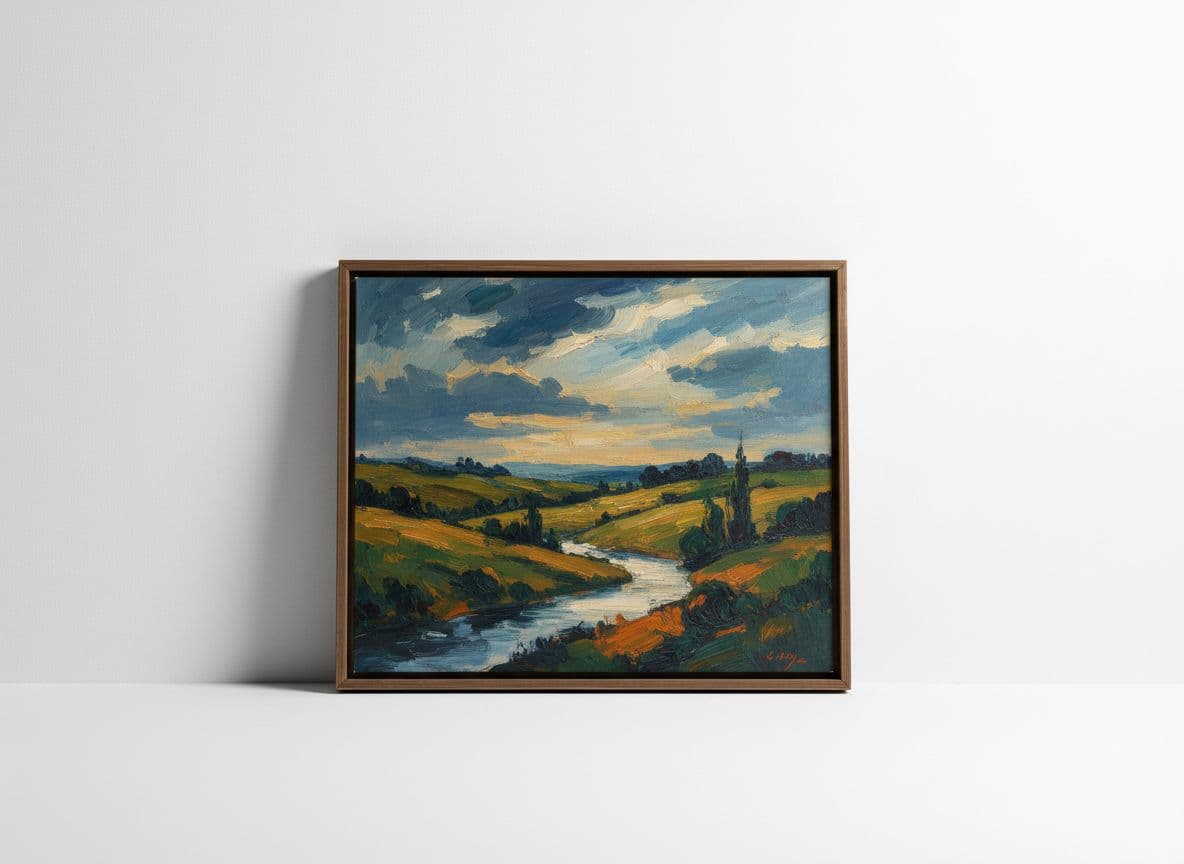
Art is one of the most difficult categories to value because prices can range from a few dollars to hundreds of millions. A painting that looks like amateur work might be by a recognized folk artist worth thousands. A beautiful oil painting might be a worthless reproduction. The art market is opaque, with pricing driven by artist reputation, provenance, gallery representation, and auction history. Most people have no frame of reference for what their art is worth, which leads to valuable pieces being sold at garage sales or donated to thrift stores. On the flip side, many people overvalue art based on sentimental attachment. An AI valuation gives you an objective starting point based on identifiable characteristics and comparable market data.
Key Factors That Affect Art & Paintings Value
Understanding what drives the price of art & paintings helps you get the most accurate valuation.
Artist Identity & Reputation
The artist's name is the single most important factor in art valuation. Works by recognized artists with auction histories, gallery representation, and museum collections are worth exponentially more than unsigned or unknown artist works. Even minor works by famous artists command significant prices.
Medium & Size
Original oil paintings are generally the most valuable medium, followed by acrylics, watercolors, and pastels. Prints and reproductions are worth far less than originals. Size matters too - very large and very small works by the same artist often sell for less per square inch than medium-sized pieces ideal for home display.
Subject Matter & Period
An artist's most iconic subjects and periods command the highest prices. Figurative work often sells better than abstracts for most artists. Landscapes, portraits, and still lifes each have their market dynamics. An artist's early or experimental works can be less valuable or more valuable depending on collector preferences.
Provenance & Exhibition History
Documented ownership history adds significant value. Art that has been exhibited in museums, published in catalogs, or owned by notable collectors carries a premium. Provenance gaps or questions about authenticity significantly reduce value. Gallery labels, exhibition stickers, and stamps on the back of paintings are important clues.
Condition & Conservation
Cracking, flaking, discoloration, tears, and water damage all reduce art value. Professional conservation can restore condition but at a cost. Original frames, especially period frames, add value. Works on paper are particularly vulnerable to fading, foxing (brown spots), and acid damage from improper framing.
Tips for Valuing Art & Paintings
Get the most accurate valuation by following these tips when photographing your art & paintings.
Photograph the full artwork in even lighting without flash glare
Include a close-up of the artist's signature if present
Show the back of the painting for gallery labels or provenance marks
Include the frame if it appears to be original or antique
Art & Paintings Market Insights
The art market is bifurcated: blue-chip artists (Picasso, Warhol, Basquiat, Monet) continue to set records at major auction houses, while the middle market has become more accessible through online platforms like Artsy, Saatchi Art, and Heritage Auctions. Street art and contemporary works by artists like Banksy and KAWS have strong demand from younger collectors. The rise of online art sales has expanded the buyer pool globally. For sellers, understanding whether your art belongs in a major auction house, a regional auction, an online platform, or a gallery consignment dramatically affects the price you'll receive.
Notable Art & Paintings Values
Real-world examples of what specific art & paintings have sold for, so you can benchmark your own.
| Art & Painting | Condition | Typical Value |
|---|---|---|
| Vincent van Gogh - "Starry Night" (MoMA, not for sale) | Museum-Held | $1,000,000,000+ |
| Claude Monet - Water Lilies series (original oil) | Authenticated | $50,000,000 - $110,000,000+ |
| Jean-Michel Basquiat - Original canvas painting | Authenticated | $1,000,000 - $110,000,000+ |
| Andy Warhol - Screen print (signed, limited edition) | Authenticated, Signed | $5,000 - $500,000+ |
| Banksy - Limited edition signed print | Authenticated (Pest Control cert) | $5,000 - $150,000+ |
| Thomas Kinkade - Publisher's Proof canvas | Signed, Publisher's Proof | $500 - $5,000 |
| 19th-century American folk art oil portrait | Unattributed, Good | $200 - $3,000 |
| Mid-century listed artist - small oil on canvas | Signed, Unframed | $100 - $2,000 |
| Unsigned decorative print or poster (mass reproduction) | Used, Unframed | $5 - $75 |
Based on major auction house records (Christie's, Sotheby's, Phillips), eBay sold listings, and published price guides for listed artists.
Find Out What Your Art & Paintings Are Worth
Upload a photo now and get a free AI-powered valuation in seconds. No sign-up required.
Art & Paintings Valuation FAQ
How do I know if my painting is valuable?
Key indicators include the artist (known vs. unknown), medium (original oil paintings are generally worth more than prints), age, provenance (documented ownership history), subject matter, and condition. Our AI evaluates visible factors instantly.
Can AI identify the artist of a painting?
Our AI can often identify well-known artists by their signature style, and can always read visible signatures. For unsigned works, it can estimate the era, style, and likely origin to provide a valuation range.
What types of art are most valuable right now?
Contemporary art, street art (Banksy, KAWS), mid-century modern works, and classic Impressionist paintings are in high demand. However, value varies enormously based on the specific artist, provenance, and condition.
Is my print or lithograph worth anything?
It depends on the artist and the print type. Original signed and numbered limited edition prints by recognized artists can be worth hundreds to thousands. Open edition prints and reproductions (posters) have minimal value regardless of the artist depicted. Look for a pencil signature and edition number (like 45/200) in the margin below the image.
How do I find out who painted my artwork?
Check for a signature on the front (usually bottom corner) and any labels, stamps, or inscriptions on the back. Our AI can help identify artistic styles and read signatures. For unsigned works, frame labels, gallery stickers on the back, or family records may provide clues. Professional art appraisers and auction houses can also help with identification.
Art & Paintings Guides & Articles
Value anything, anytime
Unlimited valuations, saved history and full reports in the free app.