Last updated: September 2026
How Much Is My Fitbit or Smartwatch Worth?
Fitness trackers and smartwatches are among the most commonly owned and least commonly resold consumer electronics. Millions of wearables sit unused in drawers after upgrades. Our calculator evaluates your device's brand, model, condition, and included accessories to provide an accurate resale value. Whether you've upgraded to a newer Fitbit, switched from Garmin to Apple Watch, or have a Samsung Galaxy Watch you no longer use, knowing the current market value helps you turn unused tech into cash.
Get the free app for unlimited scans


Compare real prices
See what fitbit & wearables are listed for right now
Affiliate link: we earn a commission if you buy, at no extra cost to you.
Fitbit & Wearables Value Calculator
Fill in the details below for an accurate estimate
Get the free app for unlimited scans
Why Knowing Your Fitbit & Wearables Value Matters
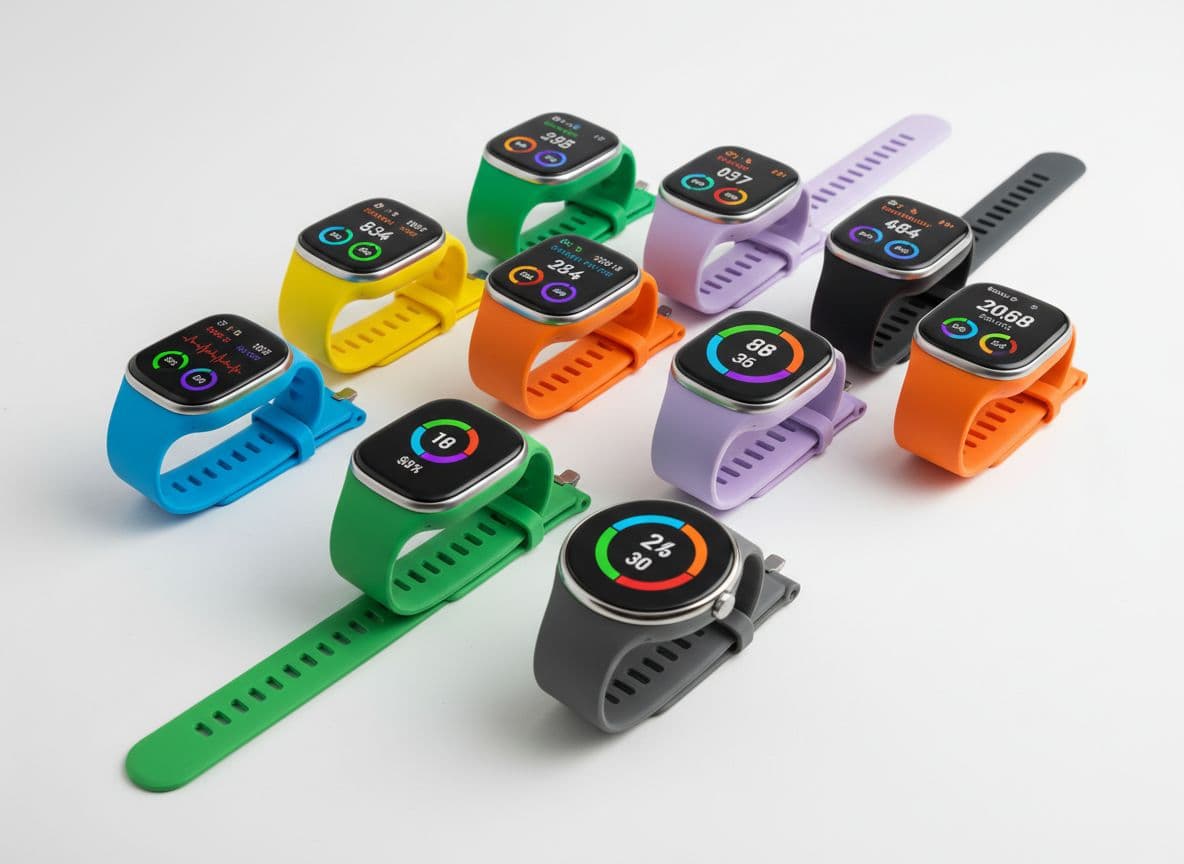
The wearable technology market exceeds $60 billion globally, and the resale market for fitness trackers and smartwatches is more active than most people realize. A Fitbit Charge 6 in good condition resells for $70-$100 (retail $159), a Garmin Venu 3 fetches $200-$280 (retail $449), a Samsung Galaxy Watch 6 Classic brings $120-$180 (retail $399), and a Whoop 4.0 strap sells for $40-$70 on the secondary market. Even older models retain value: a Fitbit Versa 3 still sells for $40-$60, a Garmin Forerunner 245 brings $80-$120, and a Samsung Galaxy Watch 4 fetches $60-$90. The average household has 1-2 unused wearables worth $50-$200 total. Resale value drops most steeply in the first 6 months after a new generation launches, then stabilizes. Devices with working chargers sell for 20-40% more than those without, as replacement chargers are expensive and hard to find for older models. The market is active on eBay, Swappa, Facebook Marketplace, and Mercari, with properly listed devices selling within 3-7 days.
Key Factors That Affect Fitbit & Wearables Value
Understanding what drives the price of fitbit & wearables helps you get the most accurate valuation.
Brand & Ecosystem
Brand significantly affects resale value and demand. Garmin holds value best among wearable brands due to its reputation for durability, GPS accuracy, and specialized features for athletes. Garmin watches retain 50-65% of retail value after one year. Samsung Galaxy Watches hold 35-50% of retail value and benefit from Android ecosystem demand. Fitbit devices are affordable and accessible, retaining 30-45% of value, though Google's acquisition has created some market uncertainty about future support. Whoop has a unique subscription model that affects resale differently. The hardware resells but ongoing value requires a membership.
Model & Generation
Newer models command significantly higher prices, and flagship models hold value better than entry-level devices. In Garmin's lineup, a Fenix 7 Pro resells for $300-$450 while a Venu Sq 2 brings $60-$90. For Fitbit, the Sense 2 sells for $80-$120 while the Inspire 3 brings $30-$50. Samsung's Classic (rotating bezel) models consistently resell for 15-25% more than standard models. Each new generation typically devalues the previous model by 25-40% within the first few months of release.
Condition & Screen/Sensor Health
Screen condition is the most visible factor. Scratches, cracks, or dead pixels reduce value by 20-50%. Sensor functionality (heart rate, SpO2, GPS) is equally important but harder for buyers to verify. Battery health matters significantly for wearables since these devices are worn daily. A watch with a battery lasting 2 days instead of the original 7 days is worth 30-50% less. Water resistance integrity is assumed for devices advertised as water-resistant but cannot easily be verified in secondary sales.
Accessories & Charger
The charger is the single most important accessory for wearable resale. Many wearables use proprietary chargers that cost $15-$40 to replace, and some older models have chargers that are nearly impossible to find. A wearable without its charger sells for 20-40% less than one with the charger included. Additional bands, especially premium or limited-edition bands, add $10-$30 to the total sale value. Original packaging adds 5-15% to perceived value and buyer confidence.
Tips for Valuing Fitbit & Wearables
Get the most accurate estimate by following these tips when evaluating your fitbit & wearables.
Clean the device thoroughly, especially the heart rate sensor area on the back. Built-up sweat residue and grime reduce buyer appeal and can affect sensor readings
Charge the device fully before listing and note the current battery life per charge. Buyers want to know if the battery still holds a reasonable charge
Factory reset the device to remove your personal data, health records, and account connections before selling
Include the original charger. This is the single most important accessory and significantly affects resale value, especially for Fitbit and Garmin devices with proprietary chargers
Fitbit & Wearables Market Insights
The global wearable market is projected to exceed $80 billion by 2028, with smartwatches and fitness trackers being the dominant categories.apple Watch dominates the smartwatch market with approximately 50% market share, but the non-Apple wearable market (Garmin, Samsung, Fitbit, Amazfit) is highly competitive and active. The resale market has matured significantly, with platforms like Swappa offering condition-verified listings for wearables. Google's acquisition of Fitbit has created both opportunity (continued software support) and uncertainty (potential discontinuation of standalone Fitbit devices). Garmin has emerged as the premium wearable brand for athletes and outdoor enthusiasts, with strong resale values reflecting this positioning. The trend toward health monitoring features (ECG, blood oxygen, sleep tracking, body temperature) means newer devices with more sensors command higher premiums. Subscription-based wearables (Whoop, Oura Ring) are changing the market dynamics, as the hardware itself has less standalone value without the accompanying service.
Notable Fitbit & Wearables Values
Real-world examples of what specific fitbit & wearables have sold for, so you can benchmark your own.
| Fitbit & Wearable | Condition | Typical Value |
|---|---|---|
| Apple Watch Ultra 2 (49mm, Titanium) | Used, Good | $550 - $750 |
| Garmin Fenix 7X Pro Solar | Used, Good | $350 - $500 |
| Samsung Galaxy Watch 6 Classic (47mm) | Used, Good | $150 - $230 |
| Fitbit Charge 6 | Used, Good | $60 - $100 |
| Garmin Forerunner 965 | Used, Good | $280 - $400 |
| Fitbit Sense 2 | Used, Good | $70 - $120 |
| Whoop 4.0 Strap + Membership | Used | $30 - $80 |
| Fitbit Versa 3 (Original Box, Sealed) | Sealed | $80 - $130 |
| Garmin Instinct 2 Solar | Used, Good | $150 - $220 |
Based on recent eBay sold listings, Swappa, and Back Market resale data.
Find Out What Your Fitbit & Wearables Are Worth
Upload a photo now and get a free AI-powered valuation in seconds. No sign-up required.
Fitbit & Wearables Valuation FAQ
How much is my used Fitbit worth?
Used Fitbit values vary by model and condition: Fitbit Charge 6: $70-$100. Fitbit Sense 2: $80-$120. Fitbit Versa 4: $60-$90. Fitbit Charge 5: $45-$70. Fitbit Versa 3: $40-$60. Fitbit Inspire 3: $30-$50. Fitbit Luxe: $40-$65. Older models (Charge 4, Versa 2, Inspire 2) sell for $20-$40. These prices assume working condition with charger included. Without a charger, expect 20-40% less. Fitbit devices with cracked screens or non-functional sensors have minimal resale value ($5-$15 for parts).
Is it worth selling an old fitness tracker?
Yes, even older fitness trackers have resale value, and the alternative is letting them become e-waste in a drawer. Devices 1-2 generations old typically sell for 30-50% of their original retail price, making the $40-$150 return worthwhile for 15 minutes of listing effort. The easiest platforms are Facebook Marketplace (no fees, local sale) and Mercari (simple listing, 10% fee). For devices in good condition with chargers, eBay and Swappa offer access to larger buyer pools. If the device is truly too old or non-functional, many electronics retailers (Best Buy, Staples) offer free recycling.
Do Garmin watches hold their value well?
Garmin watches hold their value better than almost any other wearable brand. High-end models like the Fenix 7 and Epix retain 55-70% of retail value after one year, and even mid-range models like the Venu 3 and Forerunner 265 hold 45-55%. This strong value retention reflects Garmin's reputation for durability, GPS accuracy, battery life, and specialized features for running, cycling, hiking, and other sports. Garmin's slower release cycle (18-24 months between generations vs. 12 months for most competitors) also helps older models maintain value longer. The most sought-after Garmin models on the resale market are the Fenix series, Forerunner 955/965, and Enduro for ultrarunners.
How do I factory reset my wearable before selling?
Every wearable brand has a factory reset process: Fitbit: Go to Settings > About > Factory Reset on the device, or use the Fitbit app. Remove the device from your Fitbit account in the app. Garmin: Go to Settings > System > Reset > Delete Data and Reset Settings. Remove from your Garmin Connect account. Samsung Galaxy Watch: Settings > General > Reset > Factory Data Reset. Remove from your Samsung account. For all brands, also unpair the device from your phone's Bluetooth settings. This ensures the next owner can pair the device with their own phone and account without issues. Always factory reset before selling to protect your health data, GPS history, and connected account information.
Value anything, anytime
Unlimited valuations, saved history and full reports in the free app.