Last updated: September 2026
How Much Are Mercury Dimes Worth?
Check current market values, learn what affects pricing, and get tips for buying and selling.
← All Coins valuationsWhat do you want to value?
Get the free app for unlimited scans


Mercury Dimes Price Guide
Current market values based on recent sales data and market trends.
| Item | Condition | Price Range |
|---|---|---|
| 1916-D | VG-8 | $1,200 - $1,800 |
| 1916-D | VF-20 | $2,500 - $4,000 |
| 1921 | VF-20 | $60 - $100 |
| 1921-D | VF-20 | $80 - $130 |
| 1926-S | VF-20 | $30 - $50 |
| 1942/1 | VF-20 | $500 - $800 |
| 1942/1-D | VF-20 | $550 - $900 |
| 1945 Philadelphia | MS-66 FB | $60 - $100 |
| Common Date (1940s) | Average Circulated | $2 - $4 |
What Determines Mercury Dimes Value
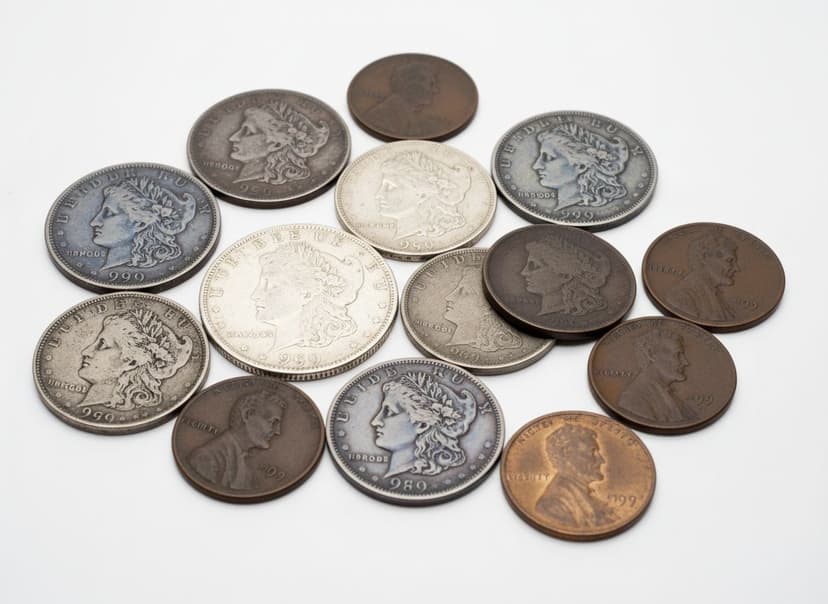
Mercury Dimes, officially called Winged Liberty Head Dimes, were designed by Adolph A. Weinman and minted from 1916 to 1945. The obverse features Lady Liberty wearing a winged cap symbolizing freedom of thought. Not the Roman god Mercury, despite the popular nickname. Made of 90% silver, these small coins have a base melt value plus numismatic premiums that can be substantial for key dates. The 1916-D is the undisputed key to the series with only 264,000 minted, while Full Bands (FB) designation on mint state coins can multiply values significantly.
Mercury dime values depend on the date and mint mark (the 1916-D dwarfs all other dates), the grade from well-worn to pristine mint state, Full Bands (FB) designation for uncirculated coins (indicating sharp strike on the reverse fasces bands), overall eye appeal including toning, and the current silver spot price since each coin contains 0.0723 troy ounces of pure silver. Well-struck coins with full split bands on the reverse fasces are particularly prized and can command 2-10x the price of a non-FB coin in the same grade.
Buying & Selling Tips
Buying
Be very cautious with 1916-D Mercury dimes. Many fakes exist with altered mint marks from common 1916 Philadelphia coins.
Look for Full Bands (FB) designation on mint state coins, as this dramatically increases value and desirability.
Circulated common dates are an affordable way to accumulate 90% silver coins near melt value.
Focus on original, untoned or naturally toned coins. Artificially toned Mercury dimes are common and sell at a discount.
Consider building a short set (1941-1945) as an affordable entry into the series with attractive wartime coins.
Selling
Separate key dates (1916-D, 1921, 1921-D) from common dates before selling for the best overall return.
Get any potential 1916-D authenticated and graded. The cost is minimal compared to the value it adds.
Sell common circulated Mercury dimes in bulk rolls of 50 ($5 face value). They trade actively for their silver content.
Highlight Full Bands designation in any listing, as many collectors specifically search for FB coins.
Natural rainbow-toned Mercury dimes can sell for significant premiums. Photograph them well to showcase the toning.
Mercury Dimes FAQ
Why is the 1916-D Mercury Dime so valuable?
The 1916-D had an extremely low mintage of only 264,000 coins. Far fewer than any other date in the series. It was the first year of issue and Denver produced very few compared to Philadelphia (22 million) and San Francisco (10.4 million). High demand from collectors and low survival rates make this the key date, with prices starting around $1,000 even in well-worn condition.
What does Full Bands mean on a Mercury Dime?
Full Bands (FB) refers to the complete separation of the horizontal bands on the fasces (bundle of rods) on the reverse. On most Mercury dimes, these bands are weakly struck and blend together. When all bands are fully separated and distinct, grading services add the FB designation, which can increase value by 50% to 500% depending on the date.
How much silver is in a Mercury Dime?
Each Mercury dime contains 0.0723 troy ounces of pure silver (90% silver, 10% copper), with a total weight of 2.5 grams. At a silver price of $25 per ounce, the melt value is approximately $1.80.common dates in circulated condition trade very close to this melt value.
Is my Mercury Dime a 1942 overdate?
The 1942/1 overdate shows the underlying 1 visible beneath the 2 in the date. Use a magnifying loupe (10x or higher) to look at the base of the 2. You should see a clear outline of a 1 underneath. Both Philadelphia and Denver mint versions exist. Genuine overdates are worth $400+ even in lower grades, so authentication is recommended.
Got Mercury Dimes to Value?
Upload a photo and get a free AI-powered valuation in seconds. No sign-up required.