Last updated: September 2026
How Much Are Jordan 1 Chicagos Worth?
The Air Jordan 1 Chicago is the most iconic sneaker in history — the original red, white, and black colorway that Michael Jordan wore during his rookie season in 1985. Every retro release of the Chicago colorway generates massive demand and strong resale values. From the original 1985 pair (which can command $10,000+ in deadstock condition) to the wildly popular 2022 Lost & Found release ($250-$350), the Jordan 1 Chicago remains the gold standard of sneaker collecting. Our price guide helps you determine the current market value based on your specific version, size, and condition.
Get the free app for unlimited scans


Compare real prices
See what jordan 1 chicago are listed for right now
Affiliate link: we earn a commission if you buy, at no extra cost to you.
Jordan 1 Chicago Value Calculator
Fill in the details below for an accurate estimate
Get the free app for unlimited scans
Why Knowing Your Jordan 1 Chicago Value Matters
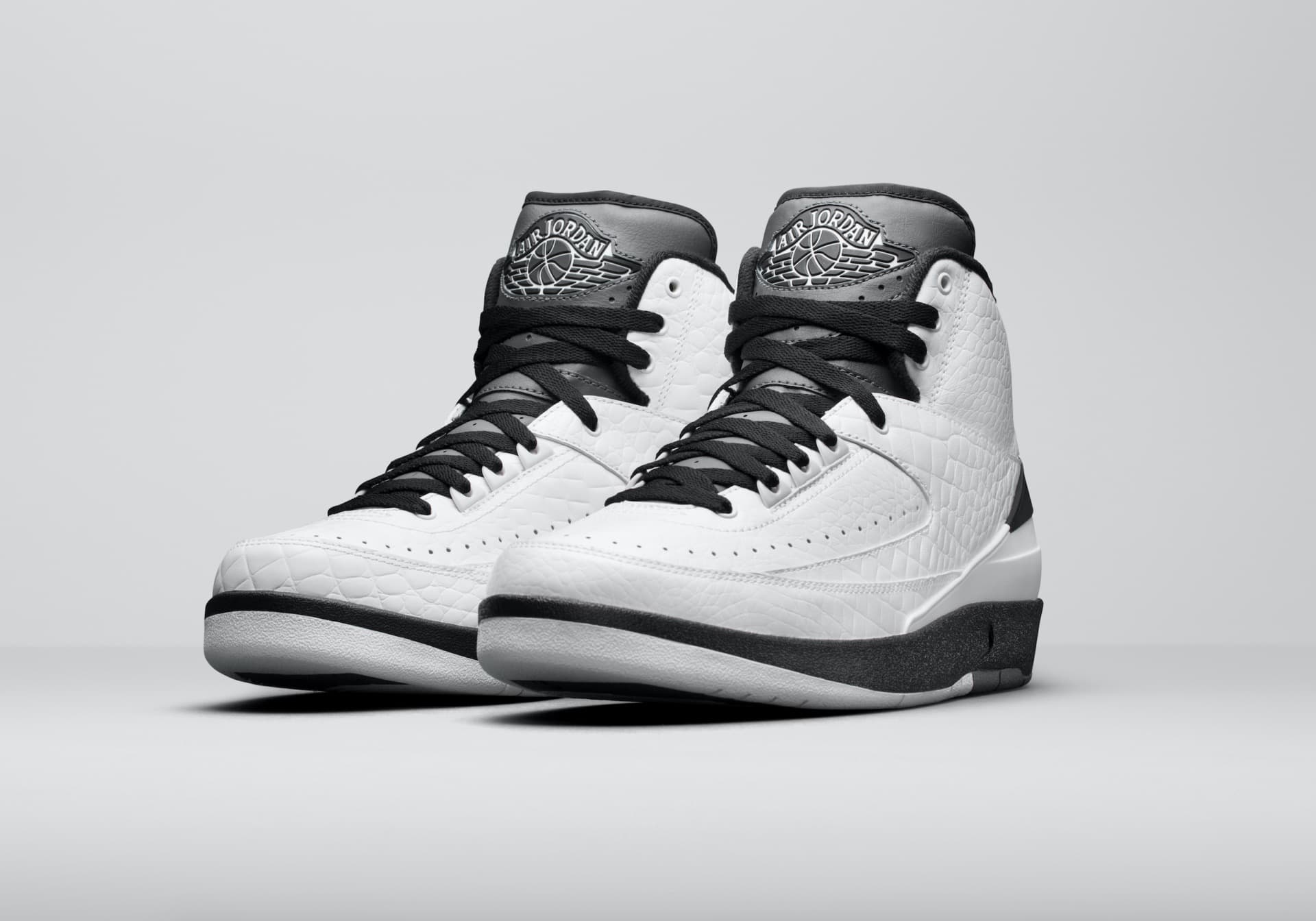
The Jordan 1 Chicago holds a unique position in sneaker culture — it is simultaneously a grail for serious collectors and an entry point for new enthusiasts. The colorway's value has only increased over time as sneaker culture has expanded from a niche hobby to a global market worth over $10 billion annually. Each release of the Chicago colorway carries its own market dynamics. The 1985 Original is the holy grail — deadstock (DS) pairs in OG boxes have sold for $10,000-$25,000+ depending on size and condition. The 1994 Retro was the first re-release and is scarce, trading at $2,000-$5,000 for DS pairs. The 2013 and 2015 Retros are the most common on the secondary market, trading at $400-$800 for DS pairs. The 2022 Lost & Found (also called 'Reimagined Chicago') revitalized the colorway with vintage-inspired aging details and currently trades at $250-$350, making it the most accessible Chicago variant. Size matters enormously in sneaker resale. Men's sizes 8-9.5 and 11-13 typically command the highest premiums, while sizes 10-10.5 (the most produced) trade at or near the lowest prices. Deadstock (DS) condition commands a significant premium over any level of wear — a DS pair might be worth 2-5x a lightly worn (VNDS) pair. Understanding these dynamics ensures you price correctly whether buying or selling.
Key Factors That Affect Jordan 1 Chicago Value
Understanding what drives the price of jordan 1 chicago helps you get the most accurate valuation.
Release Version
The specific release year dramatically determines value: 1985 Original: $3,000-$25,000+ (condition-dependent, OG pairs are museum pieces). 1994 Retro: $2,000-$5,000 DS (first retro, very scarce). 2013 Retro (555088-101): $400-$800 DS (clean retro, popular with collectors). 2015 Retro (555088-101): $500-$900 DS (considered the best modern retro before Lost & Found). 2022 Lost & Found (DZ5485-612): $250-$350 DS (vintage-inspired aging, most accessible). 2024 Reimagined: $200-$300 DS. Each version has a distinct sole color, leather quality, and construction that collectors can identify.
Size & Availability
Sneaker resale prices vary by size due to production quantities and demand: Size 7-7.5: moderate demand, average pricing. Size 8-9.5: high demand (common collector sizes), premium pricing. Size 10-10.5: most produced, often the lowest resale prices. Size 11-12: high demand (popular wear sizes for taller individuals), above-average pricing. Size 13+: limited production, can command significant premiums. Size 14+: very rare, premiums of 30-50% above average. Women's and GS (Grade School) sizes have their own distinct markets with different pricing.
Condition (DS vs. Worn)
Condition is the single largest value factor after version: DS (Deadstock/New): highest value, never worn, original lacing, no creasing. VNDS (Very Near Deadstock): tried on or worn 1-2 times, minimal signs, 70-85% of DS price. Used - Excellent: worn a few times, light creasing, clean soles, 50-65% of DS. Used - Good: regular wear, visible creasing, minor sole wear, 30-50% of DS. Used - Beaters: heavy wear, sole separation possible, 10-25% of DS. Jordan 1s crease visibly on the toe box, which is the first sign of wear collectors check.
Box & Accessories
Original box condition affects value: OG box (matching, good condition): included in DS/VNDS pricing. OG box (damaged): reduces value by 5-10%. Replacement box: reduces value by 10-15%. No box: reduces value by 15-25%. For 1985 originals, having the OG box is extraordinarily rare and can add thousands to the price. Extra laces (included with some releases like Lost & Found) and original tissue paper/hang tags add marginal value but demonstrate completeness that buyers appreciate.
Market Demand & Trends
The Jordan 1 Chicago benefits from constant, year-round demand across all sneaker platforms. Resale prices typically peak immediately after release (hype premium) then dip before gradually climbing as supply decreases. The Lost & Found release demonstrated this pattern — dropping from $250+ at release to $180-$200, then climbing back to $250-$350 as pairs were worn and supply tightened. Major sneaker culture moments (documentaries, anniversaries, celebrity sightings) can spike demand for specific versions.
Tips for Valuing Jordan 1 Chicago
Get the most accurate estimate by following these tips when evaluating your jordan 1 chicago.
Check the style code on the size tag inside the shoe to confirm your exact version (e.g., DZ5485-612 for Lost & Found)
Photograph both shoes from multiple angles — side profile, toe box (showing any creasing), sole condition, and inside tag
For DS pairs, keep the original tissue paper, hang tags, and extra laces — completeness matters
Check StockX or GOAT for your exact size and version to see the most recent sale prices before listing
Jordan 1 Chicago Market Insights
The Jordan 1 Chicago is one of the most actively traded sneakers on StockX, GOAT, and eBay, with thousands of transactions monthly across all versions. StockX provides transparent pricing data showing historical sales for every size. The 2022 Lost & Found Chicago has become a modern classic with over 100,000 verified sales on StockX alone. GOAT specializes in both new and used sneakers with authentication, making it ideal for worn pairs. eBay has improved its sneaker authentication program, competing effectively with dedicated platforms. For 1985 originals and 1994 retros, auction houses like Sotheby's and specialized consignment shops (like Stadium Goods and Flight Club) achieve premium prices for exceptional pairs. The Jordan 1 Chicago market is remarkably liquid — well-priced pairs sell within hours on any major platform.
Notable Jordan 1 Chicago Values
Real-world examples of what specific jordan 1 chicago have sold for, so you can benchmark your own.
| Jordan 1 Chicago | Condition | Typical Value |
|---|---|---|
| Air Jordan 1 High OG 'Chicago' (2015 Retro) | Used / Worn | $300 - $600 |
| Air Jordan 1 High OG 'Chicago' (2015 Retro) | Deadstock / Unworn | $500 - $900 |
| Air Jordan 1 High OG 'Lost & Found' (2022) | Used / Worn | $200 - $380 |
| Air Jordan 1 High OG 'Lost & Found' (2022) | Deadstock / Unworn | $280 - $500 |
| Air Jordan 1 High OG 'Chicago Reimagined' (2022) | Deadstock / Unworn | $350 - $600 |
| Air Jordan 1 High OG 'Chicago' (2013 Retro) | Used / Worn | $400 - $800 |
| Nike Air Jordan 1 'Chicago' 1985 Original | Used / Worn (Authenticated) | $4,000 - $15,000+ |
| Nike Air Jordan 1 'Chicago' 1985 Original | Graded (PSA/SGC 8+) | $15,000 - $60,000+ |
| Air Jordan 1 High OG 'Chicago' (2022 Reimagined) - Size 15+ | Deadstock / Unworn | $500 - $900 |
Based on aggregated StockX, GOAT, and eBay sold listings; OG 1985 values informed by Heritage Auctions and Sotheby's sneaker auction records.
Find Out What Your Jordan 1 Chicago Are Worth
Upload a photo now and get a free AI-powered valuation in seconds. No sign-up required.
Jordan 1 Chicago Valuation FAQ
How much are Jordan 1 Chicago worth?
Jordan 1 Chicago values vary dramatically by release version: 1985 Original (DS): $10,000-$25,000+. 1985 Original (worn, good condition): $3,000-$8,000. 1994 Retro (DS): $2,000-$5,000. 2013 Retro (DS): $400-$800. 2015 Retro (DS): $500-$900. 2022 Lost & Found (DS): $250-$350. 2024 Reimagined (DS): $200-$300. These prices are for average sizes (9.5-11). Sizes 8-9 and 12-13 may command 10-20% premiums. Worn pairs trade at 30-85% of DS price depending on condition level.
Where is the best place to sell Jordan 1 Chicagos?
Top platforms for selling: (1) StockX — largest sneaker marketplace, authentication included, instant price discovery. Best for DS pairs. Seller fees 8-10%. (2) GOAT — strong for both DS and used pairs, authentication included. Seller fees 9-15%. (3) eBay (with Authenticity Guarantee) — large audience, competitive fees for sneakers (around 8%). Good for all conditions. (4) Flight Club or Stadium Goods — consignment model, premium pricing, but higher commission (20-30%). (5) Local consignment shops and sneaker conventions — no shipping hassle, instant cash. For 1985 originals, consider Sotheby's or specialty auction for maximum value.
Does condition matter for Jordan 1 resale value?
Condition is crucial. A DS (deadstock/new) pair commands a massive premium over any worn pair. Example using 2015 Chicago: DS: $500-$900. VNDS (tried on once): $400-$650. Used - Excellent (worn 2-3 times): $300-$450. Used - Good (regular wear): $150-$300. Beaters (heavy wear): $80-$150. Key condition indicators: toe box creasing (most visible wear sign on Jordan 1s), sole yellowing (especially the white midsole), heel drag, and overall cleanliness. The original box in good condition adds 15-25% to the value of used pairs.
What makes the 1985 Jordan 1 Chicago so valuable?
The 1985 OG Jordan 1 Chicago is valuable because of its historical significance (Michael Jordan's rookie year), extreme scarcity (most pairs from 1985 have been worn and discarded), and iconic status as the shoe that started sneaker culture. Only a small number of DS (deadstock) pairs exist worldwide. The 1985 version differs from retros in construction — it has a higher cut, different leather, Nike Air branding on the tongue (vs. Jumpman on later retros), and a distinct shape. Authentication is critical for 1985 pairs, as counterfeits exist. DS pairs with the original box are essentially sneaker artifacts and can exceed $25,000 at auction.
How does size affect Jordan 1 Chicago resale price?
Size significantly impacts resale value. Using the 2022 Lost & Found as an example: Size 7: $240-$280. Size 8-9: $280-$350 (collector sizes, premium). Size 9.5-10.5: $240-$300 (most common, highest supply). Size 11-12: $260-$330 (popular wear size). Size 13: $280-$350 (limited production). Size 14+: $320-$400+ (very limited). The price difference between the cheapest and most expensive size can be 30-50%. This pattern holds across most Jordan releases. GS (Grade School) sizes 3.5Y-7Y have a separate, generally lower-priced market.
Value anything, anytime
Unlimited valuations, saved history and full reports in the free app.