Last updated: September 2026
How Much Are My Sneakers Worth?
The sneaker resale market moves fast. Our AI identifies your sneakers and provides current market pricing based on model, colorway, size demand, and condition. Whether you're selling, trading, or buying, know the real value instantly.
Get the free app for unlimited scans


Used
$20 – $80
General release, worn condition
Resale
$80 – $300
Popular colorways, limited GRs, DS
Hype
$300 – $1,500
Jordans, Yeezys, Off-White collabs
Grail
$1,500 – $50K+
Travis Scott, Eminem, game-worn, OG
Compare real prices
See what sneakers are listed for right now
Affiliate link: we earn a commission if you buy, at no extra cost to you.
What do you want to value?
Get the free app for unlimited scans
Why Knowing Your Sneakers Value Matters
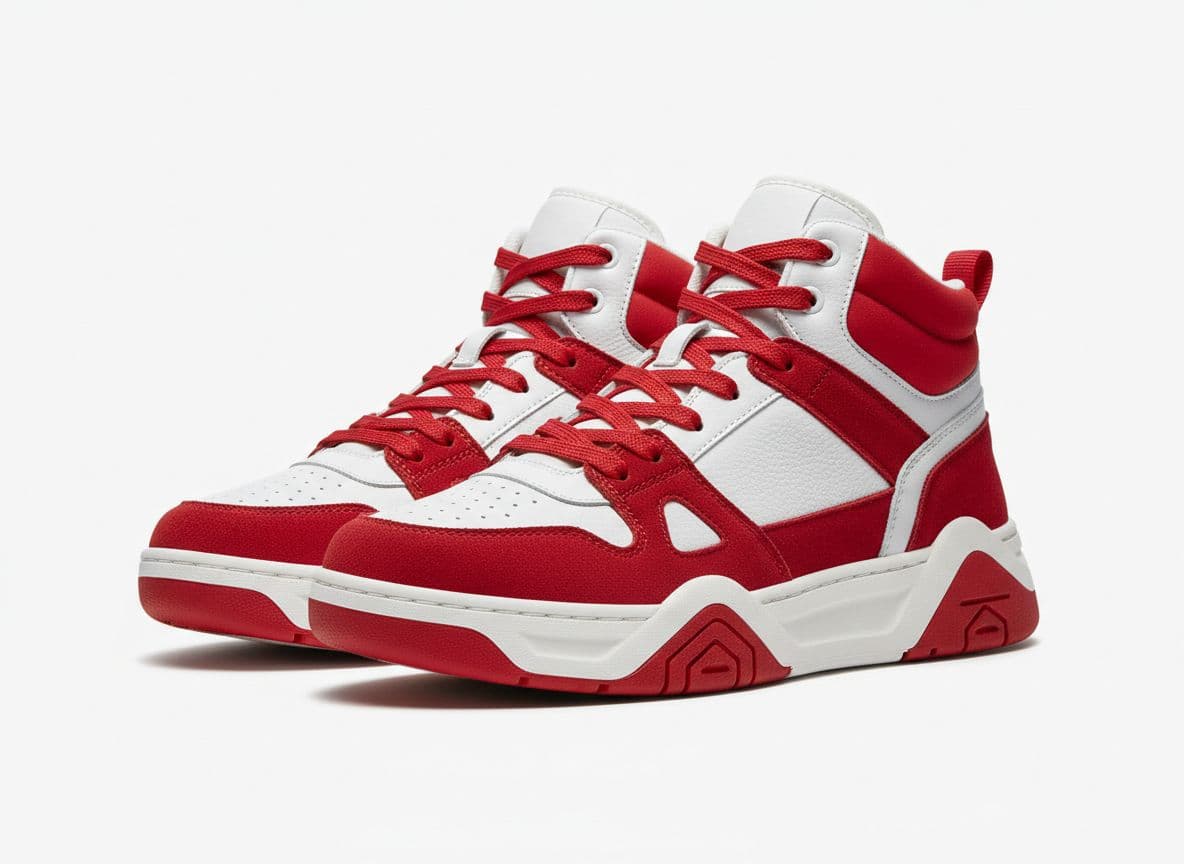
The sneaker resale market is a multi-billion dollar industry where prices change daily. A pair of sneakers that retailed for $170 could be worth $500 or $2,000 on the resale market depending on demand, size, and timing. Conversely, hyped releases that initially resold for big premiums can drop below retail within months. Sneaker values are uniquely volatile compared to other collectibles because they're tied to fashion trends, celebrity endorsements, and new releases. Whether you're deciding to sell now or hold, trading with other collectors, or verifying a price before buying, knowing the current market value saves you from overpaying or underselling.
Key Factors That Affect Sneakers Value
Understanding what drives the price of sneakers helps you get the most accurate valuation.
Model & Colorway
Specific colorways of popular models drive the sneaker market. A Nike Dunk Low in a hyped collaboration colorway can be worth 5-10x more than a general release in a basic colorway. Signature collaboration models (Travis Scott x Nike, Off-White x Nike) consistently command the highest premiums.
Size & Availability
Sneaker values vary significantly by size. The most common men's sizes (9-11 US) often have the lowest resale premium due to higher supply. Small sizes (4-6) and large sizes (13+) can carry premiums since they're produced in smaller quantities. Women's exclusive releases have their own size-based pricing dynamics.
Condition & Deadstock Status
Deadstock (DS) means brand new, never worn, with all original packaging and accessories. DS sneakers are worth significantly more than any worn condition. VNDS (Very Near Deadstock) means tried on once or worn briefly. Used sneakers lose 20-60% of their DS value depending on wear level.
Box & Accessories
The original box, extra laces, special packaging, and any included accessories affect value. Missing the box can reduce value by 10-20%. Special edition packaging (like the Off-White zip tie or Travis Scott accessories) should always be kept intact.
Release Date & Hype Cycle
Sneaker values typically follow a pattern: high at release, dip after initial hype, then rise again over years as pairs get worn and supply decreases. Understanding where a shoe is in its hype cycle helps determine whether to sell now or hold for appreciation.
Tips for Valuing Sneakers
Get the most accurate valuation by following these tips when photographing your sneakers.
Photograph the sneakers from the side showing the full profile
Include the size tag and style code (usually inside the tongue or insole)
Show any yellowing, creasing, or sole wear
If they're deadstock (unworn), mention it for a higher valuation
Sneakers Market Insights
The sneaker resale market has matured with platforms like StockX, GOAT, and eBay providing transparent pricing and authentication. Nike collaborations still dominate the high end of the market, with Travis Scott and Off-White releases commanding the largest premiums. New Balance has emerged as a major player in the collaboration space, with their 550 and 2002R models seeing strong resale numbers. Adidas Yeezy prices have fluctuated significantly following brand changes. The market has become more accessible but also more efficient, meaning the massive arbitrage opportunities of the early 2010s are rarer.
Notable Sneakers Values
Real-world examples of what specific sneakers have sold for, so you can benchmark your own.
| Sneaker | Condition | Typical Value |
|---|---|---|
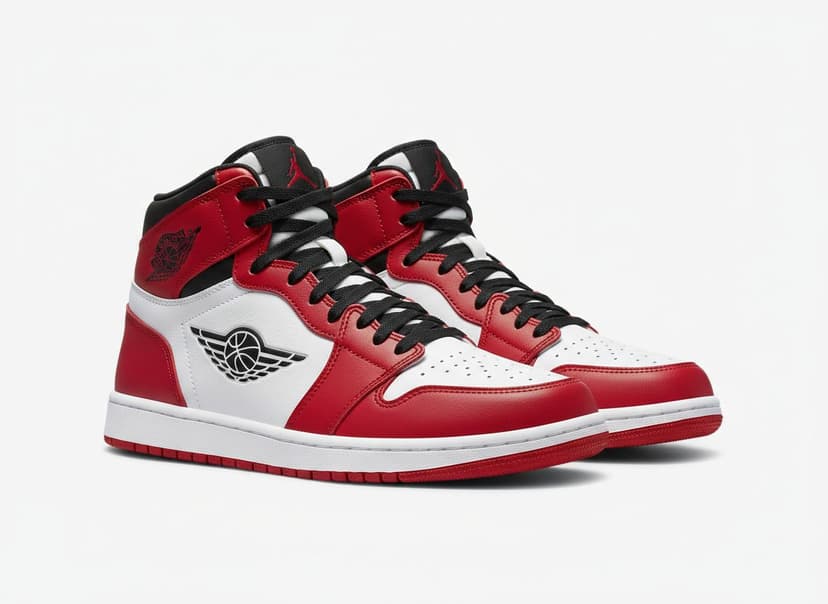
| Air Jordan 1 'Chicago' (2015) | Deadstock | $500 – $1,200 |
| Nike x Off-White 'The Ten' | Deadstock | $1,000 – $4,000 |
| Travis Scott x Air Jordan 1 Low | Deadstock | $1,200 – $2,500 |
| Adidas Yeezy Boost 350 V2 | Deadstock | $200 – $450 |
| General-release Jordan/Dunk | Deadstock | $100 – $250 |
| Worn general-release sneakers | Used | $30 – $90 |
| Nike Mag (Back to the Future, 2016) | Deadstock | $25,000 – $50,000 |
Based on StockX and GOAT sold data. Deadstock (unworn) with original box commands a large premium over used.
Find Out What Your Sneakers Are Worth
Upload a photo now and get a free AI-powered valuation in seconds. No sign-up required.
Sneakers Valuation FAQ
What sneakers have the highest resale value?
Limited edition Nike collaborations (Travis Scott, Off-White), rare Air Jordans (especially retro colorways), Yeezy models, and New Balance collaborations consistently command high resale prices. Some sell for 5-10x retail.
Does wearing sneakers significantly reduce their value?
Yes, generally. Deadstock (brand new, unworn) sneakers are worth significantly more than worn pairs. However, lightly worn pairs of hyped models can still sell for well above retail price.
How do I authenticate sneakers?
Our AI can help identify obvious fakes by analyzing design details, stitching patterns, and branding elements. For high-value purchases, we recommend using authentication services like CheckCheck or Legit Check.
What's the best platform to sell sneakers?
StockX and GOAT are the largest sneaker resale platforms with built-in authentication. eBay's authenticity guarantee program is another solid option and often has lower fees. For local sales, apps like Mercari and Facebook Marketplace work but carry higher risk. For high-value or rare pairs, consignment shops specializing in sneakers may get you the best price.
Do sneakers appreciate over time?
Some do, but most don't. Limited collaborations and iconic retros tend to appreciate as pairs get worn and supply decreases. General release sneakers almost always depreciate. The key is scarcity - if a shoe was widely available at retail, it's unlikely to gain significant value. Retro Jordan releases and limited Nike SB Dunks have historically been the best long-term investments.
Sneakers Guides & Articles
Value anything, anytime
Unlimited valuations, saved history and full reports in the free app.