Last updated: September 2026
How Much Are Your Vintage Levi's Worth?
Whether you have vintage Levi's 501s, 505s, Big E denim, selvedge jeans, Type I-III jackets, or any other vintage Levi Strauss garment, our AI analyzes the model, era, construction details, and condition to provide an accurate valuation. Found old jeans in a closet? Inherited denim? Know what your vintage Levi's are worth.
Get the free app for unlimited scans


Compare real prices
See what vintage levi's are listed for right now
Affiliate link: we earn a commission if you buy, at no extra cost to you.
What do you want to value?
Get the free app for unlimited scans
Why Knowing Your Vintage Levi's Value Matters
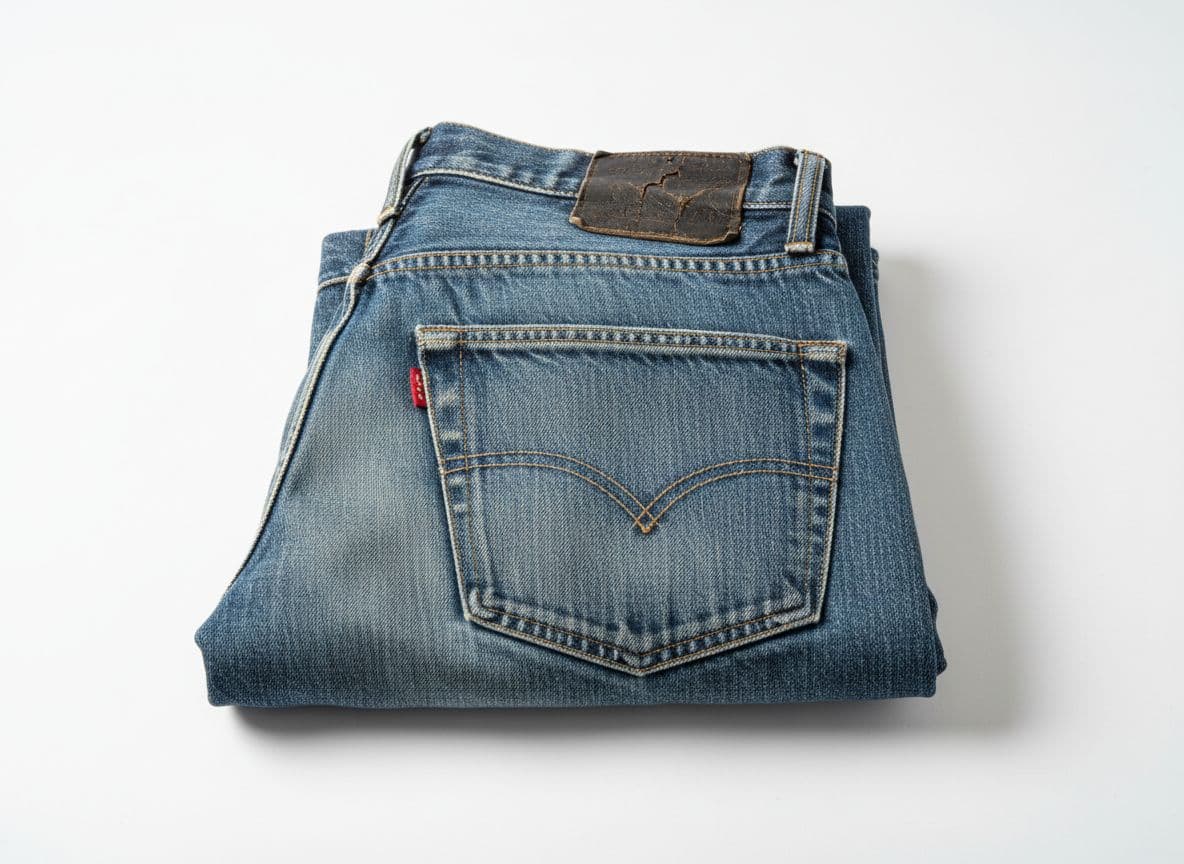
Vintage Levi's are one of the hottest collectible clothing markets in the world. A pair of 1950s Levi's 501XX jeans can sell for $1,000-$25,000+, and ultra-rare 19th-century examples have sold for over $100,000 at auction. Even common vintage Levi's from the 1970s-1990s can bring $50-$300. Far more than their original retail price. The market is driven by fashion enthusiasts, denim collectors, and the global vintage clothing trade. Japan is a particularly strong market. Japanese denim enthusiasts have driven vintage Levi's prices for decades. The key to value is identifying the era of manufacture through specific details: the capital 'E' in Levi's (pre-1971), selvedge denim (pre-1983), red line selvedge, single-stitch vs. chain-stitch hems, rivet details, and label variations. Many people own vintage Levi's without realizing their value. Old jeans forgotten in closets, barns, and storage units have been sold for thousands of dollars.
Key Factors That Affect Vintage Levi's Value
Understanding what drives the price of vintage levi's helps you get the most accurate valuation.
Era & Model
Pre-1950s Levi's are extremely rare and valuable. $5,000-$100,000+. 1950s-1960s 'Big E' 501XX jeans: $500-$15,000 depending on condition and specific features. 1960s-1971 'Big E' transitional models: $200-$3,000. 1971-1983 lowercase 'e' selvedge 501s: $100-$1,000. 1980s-early 1990s Made in USA 501s: $50-$300. Type I (506XX), Type II (507XX), and Type III (70505) jackets follow similar era-based pricing. Deadstock (unworn) examples command 2-5x worn prices.
Selvedge & Denim Details
Selvedge (self-edge) denim indicates production before 1983 on narrow shuttle looms. This is a key identifier and value driver. Red line selvedge is the most common and desirable. Hidden selvedge (visible only inside the outseam) is present on most pre-1983 jeans. The denim weight, color (dark indigo commands premiums), and fade pattern affect collector appeal. 'Redline' selvedge with specific stitching patterns helps date the jeans precisely.
Label & Branding Details
Capital 'E' in LEVI'S on the red tab indicates pre-1971 manufacture. This is the most important single identifier. The paper patch vs. leather patch, the specific wording and imagery on the patch, the care tag details, and the arcuate stitching pattern on back pockets all help date the jeans precisely. 'Care tags' with specific codes indicate 1971+ manufacture. Two-horse brand leather patches indicate earlier manufacture.
Condition
For vintage Levi's, condition is nuanced. 'Deadstock' (unworn, with tags) commands the highest prices. 2-5x worn examples. Gently worn with character (natural fading, honey-colored leather patches) is actually desirable to many collectors. Heavy wear, holes, repairs, and stains reduce value but some buyers specifically seek 'thrashed' vintage denim for authenticity. Structural integrity matters. Crotch blowouts and waistband separation are the most common damage. Alterations (hemming, tapering) reduce collector value.
Size & Fit
Certain sizes command premiums in the vintage market. Waist sizes 28-34 are the most wearable and valuable for the fashion market. Larger sizes (36+) are less demanded for wear but collectors value rarity. Longer inseams (34+) are more desirable. Women's sizes and fits have a growing collector base. The original Levi's sizing (labeled size vs. actual measurement) differs from modern sizing, which adds complexity. Shrink-to-fit models in deadstock condition are particularly valued.
Tips for Valuing Vintage Levi's
Get the most accurate valuation by following these tips when photographing your vintage levi's.
Photograph the red tab closely showing whether the 'E' is capital (Big E = pre-1971) or lowercase
Show the selvedge edge by turning the bottom hem or outseam. This identifies pre-1983 denim
Include clear photos of the back patch, care tag, and all interior labels for dating purposes
Photograph the overall condition including any fading, wear patterns, repairs, or damage
Vintage Levi's Market Insights
eBay is the dominant global marketplace for vintage Levi's. It reaches international buyers, especially in Japan, Europe, and Australia where vintage American denim is highly valued. Specialized vintage denim sellers on Instagram and Etsy have built significant followings. Grailed and Depop are popular with younger fashion-conscious buyers. Consignment to vintage clothing stores is an option for sellers who prefer not to deal with online listings. Auction houses (including major houses like Christie's) occasionally handle exceptional vintage Levi's. The Japanese market deserves special attention. Japanese buyers have been the primary force driving vintage Levi's prices for 30+ years, and Tokyo vintage stores (BerBerJin, etc.) actively source from the US. Authentication is important. Reproductions and fakes exist, especially for high-value pieces. Knowledge of construction details, stitching patterns, and fabric characteristics is essential for accurate dating and valuation.
Notable Vintage Levi's Values
Real-world examples of what specific vintage levi's have sold for, so you can benchmark your own.
| Vintage Levi' | Condition | Typical Value |
|---|---|---|
| Levi's 501XX (1940s Big E, WWII era) | Used / Worn | $1,500 - $8,000+ |
| Levi's 501 Big E (1960s, pre-1971) | Used / Authenticated | $300 - $1,500 |
| Levi's 501 Selvedge (1970s, post-Big E) | Used | $80 - $400 |
| Levi's 501 (1980s, non-selvedge) | Used | $30 - $120 |
| Levi's 505 / 517 (1970s orange tab) | Used | $40 - $180 |
| Levi's 646 / 684 Bell Bottom (1960s-70s) | Used | $100 - $500 |
| Levi's 501XX Deadstock (1950s, NWT or unissued) | Deadstock / Near Mint | $3,000 - $20,000+ |
| Levi's Orange Tab Corduroys (1970s) | Used | $25 - $100 |
| Levi's Engineered Jeans (2000s original run) | Used | $40 - $150 |
Based on eBay sold listings, Grailed sales history, and vintage denim auction records (Tokyo, heritage denim forums).
Find Out What Your Vintage Levi's Are Worth
Upload a photo now and get a free AI-powered valuation in seconds. No sign-up required.
Vintage Levi's Valuation FAQ
How do I tell if my Levi's are vintage?
Check these key details: Capital 'E' on the red tab means pre-1971. Selvedge denim (visible on the outseam or inside the cuff) means pre-1983. 'Made in USA' on the label. Single-stitch back pockets (pre-1970s). No care tag (pre-1971). Leather back patch (earlier) vs. paper patch (later). The combination of these details helps date the jeans to a specific era.
How much are Big E Levi's worth?
Big E Levi's (capital E on the red tab, pre-1971) typically sell for $200-$5,000+ depending on the specific model, condition, and era. 501XX models from the 1950s: $1,000-$15,000+. 1960s 501 Big E: $300-$3,000. Big E jackets (Type II and III): $200-$5,000. Deadstock (unworn) examples command the highest prices. Condition, size, and specific construction details determine value within these ranges.
Are 1990s Levi's worth anything?
Yes. 1990s Levi's have entered the vintage market as 'retro' fashion. Made in USA 501s from the 1990s sell for $40-$150. 1990s Levi's Silvertab, Levi's Engineered, and other specialty lines have growing collector interest. Deadstock 1990s Levi's with tags can bring $75-$200. While not as valuable as 1960s-1970s examples, 1990s Levi's are affordable entry points for vintage denim collecting.
Where can I sell vintage Levi's?
eBay is the best platform. It reaches the global market including Japanese and European collectors who drive prices. Etsy is strong for vintage clothing. Grailed and Depop reach fashion-forward buyers. Instagram vintage accounts can sell directly. Local vintage stores may consign or buy outright. For exceptional pieces ($1,000+), specialty vintage denim dealers or auction houses may be appropriate. Always research comparable sales before pricing.
Do Japanese buyers really pay more for vintage Levi's?
Yes. Japan has been the world's leading market for vintage American denim since the 1980s. Japanese collectors and vintage stores pay premium prices for authentic vintage Levi's, especially Big E and selvedge models. Tokyo vintage denim shops actively source from the US. Listing on eBay with international shipping reaches this market. Some sellers ship directly to Japanese dealers for premium prices. The Japanese appreciation for craftsmanship, heritage, and denim culture drives this demand.
Vintage Levi's Price Guides
Value anything, anytime
Unlimited valuations, saved history and full reports in the free app.