Last updated: September 2026
How Much Is My Fur Coat Worth?
Whether you have a mink coat, fox fur jacket, sable stole, or a vintage fur from a family estate, our AI analyzes the fur type, style, and condition to provide a realistic market valuation. Get an honest assessment before selling, consigning, or repurposing your fur.
Get the free app for unlimited scans


Compare real prices
See what fur coats are listed for right now
Affiliate link: we earn a commission if you buy, at no extra cost to you.
What do you want to value?
Get the free app for unlimited scans
Why Knowing Your Fur Coats Value Matters
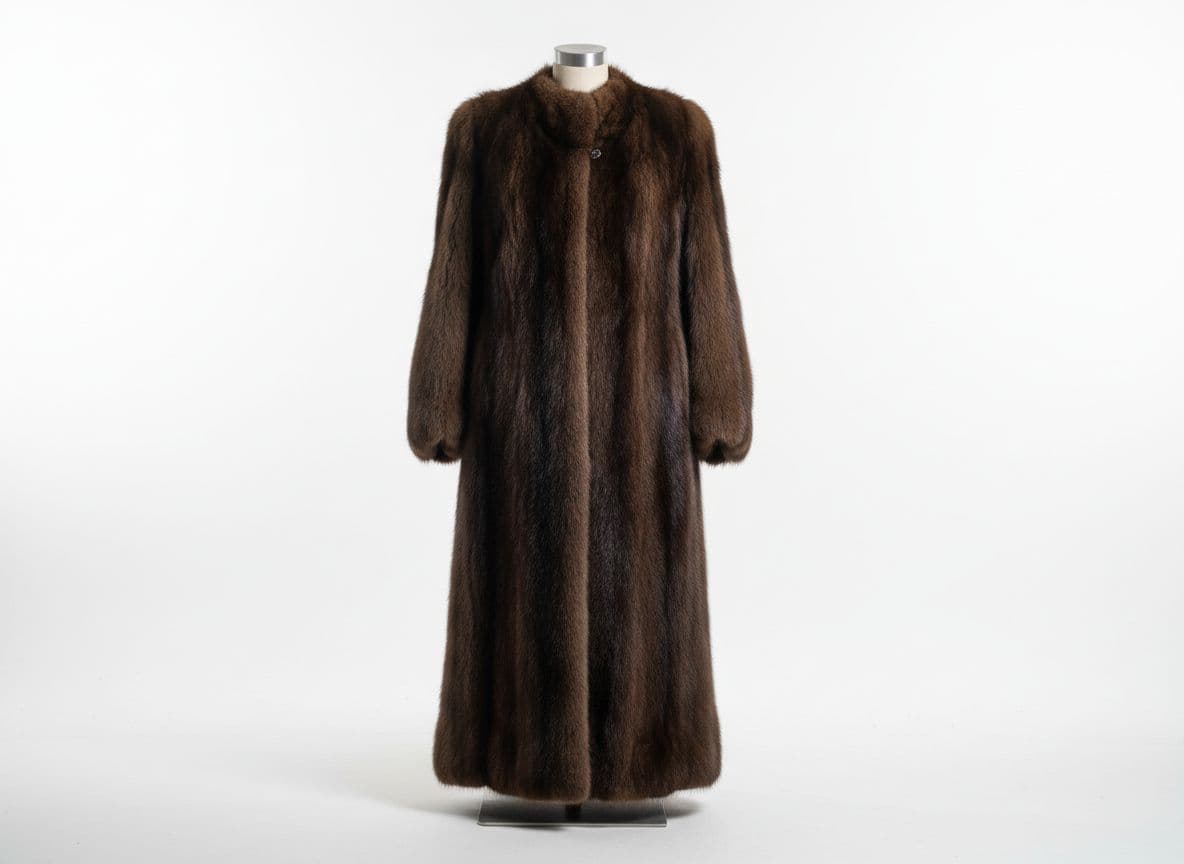
Fur coats were once among the most expensive garments a person could own, with retail prices ranging from $2,000 to $100,000 or more for premium furs. However, the resale market for furs has changed dramatically due to shifting cultural attitudes, animal welfare concerns, and warmer winters. Many people who inherit fur coats are surprised to learn that a coat which cost $15,000 in the 1980s might sell for only $200-$1,000 today. Understanding the current market reality helps you make informed decisions about selling, donating, repurposing into other garments, or storing your fur. Some furs still hold significant value. Particularly Russian sable, chinchilla, and high-quality mink from prestigious furriers. So it is worth checking before assuming your fur has no value.
Key Factors That Affect Fur Coats Value
Understanding what drives the price of fur coats helps you get the most accurate valuation.
Fur Type & Quality
Russian sable (the most valuable fur, $5,000-$50,000+ for quality pieces), chinchilla ($1,000-$10,000), lynx ($2,000-$15,000), and high-quality female mink ($200-$3,000) command the highest resale prices. Fox, beaver, raccoon, and rabbit furs are generally worth less ($50-$500). Male mink pelts are coarser and less valuable than female.
Designer & Furrier Label
Coats from prestigious furriers and designers hold value better. Labels from Maximilian at Bloomingdale's, Dennis Basso, J. Mendel, Fendi Furs, and Revillon carry premiums. Custom-made coats from high-end local furriers may also have good value if the quality is evident. Unlabeled or department store furs are worth the least.
Condition & Storage
Fur condition is critical. Properly stored fur (in cold storage at 45-55°F and 50% humidity) retains its luster and softness for decades. Furs stored in plastic bags, warm closets, or exposed to sunlight may have dried out, lost luster, or developed bald spots. Ripped linings, missing buttons, and moth damage significantly reduce value.
Style & Size
Full-length coats are generally more valuable than jackets, capes, and stoles. Current fashion trends favor shorter, more modern fur styles, which can reduce demand for dated silhouettes. Standard sizes (S-L) sell more easily than very small or very large coats. Reversible furs and fur-lined coats with modern styling are easier to sell.
Market & Regional Demand
Fur coats sell better in cold climates and regions where fur is culturally accepted. Markets in the northern US, Canada, Russia, and parts of Asia have the strongest demand. In progressive urban areas where fur-wearing faces social stigma, resale values are lower. International buyers often pay more than domestic markets for high-quality furs.
Tips for Valuing Fur Coats
Get the most accurate valuation by following these tips when photographing your fur coats.
Photograph the coat laid flat showing the full length, plus close-ups of the fur texture and luster
Include a photo of the label inside the coat showing the furrier, brand, and fur type
Show any areas of wear, bald spots, or damage. Honesty about condition is essential for accurate valuation
Photograph the lining condition and any closures (buttons, hooks, clasps) as these affect value
Fur Coats Market Insights
The fur resale market has contracted significantly since its peak in the 1980s and 1990s. Major fashion brands including Gucci, Versace, Prada, and Chanel have stopped using real fur, and several US states and cities have banned fur sales. However, a secondary market still exists, particularly for premium furs (sable, chinchilla, lynx) and vintage designer pieces. Consignment shops specializing in fur, online platforms like The RealReal and eBay, and furrier buy-back programs are the primary selling channels. Many owners choose to repurpose their furs. Having them restyled into modern jackets, vests, blankets, or teddy bears is a growing trend. Cold storage costs ($250-$500 annually) should be factored into the decision of whether to keep a fur coat you are not wearing.
Notable Fur Coats Values
Real-world examples of what specific fur coats have sold for, so you can benchmark your own.
| Fur Coat | Condition | Typical Value |
|---|---|---|
| Vintage Blackglama Mink Full-Length Coat | Used, Good | $800 - $3,000 |
| Ranch Mink Full-Length Coat (No Brand) | Used, Good | $150 - $600 |
| Fox Fur Coat (Full-Length, Saga Fox Label) | Used, Good | $200 - $900 |
| Chinchilla Fur Coat (Full-Length) | Used, Good | $2,000 - $10,000+ |
| Sheared Beaver Coat (Mid-Length) | Used, Fair | $75 - $300 |
| Fendi Mink Fur Coat | Used, Authenticated | $3,000 - $15,000+ |
| Shearling (Sheepskin) Coat - Designer (e.g., Schott, UGG) | Used, Good | $100 - $500 |
| Mink Stole or Cape | Used, Good | $50 - $250 |
| Sable Fur Coat (Russian/Barguzin Sable) | Used, Good | $5,000 - $30,000+ |
Based on eBay sold listings, RealReal authenticated resale data, and auction house records for vintage and luxury fur garments.
Find Out What Your Fur Coats Are Worth
Upload a photo now and get a free AI-powered valuation in seconds. No sign-up required.
Fur Coats Valuation FAQ
Are fur coats worth anything anymore?
It depends on the fur type and quality. Russian sable coats can still sell for $5,000-$50,000+. High-quality mink coats from prestigious furriers sell for $200-$3,000. Chinchilla and lynx also hold meaningful value. However, most common furs (rabbit, beaver, raccoon, lower-quality mink) are worth $50-$300 on the resale market. The fur market has declined significantly, but premium furs still have value.
Where can I sell my fur coat?
Specialty fur consignment shops offer the most knowledgeable sales assistance and typically take 40-50% commission. The RealReal accepts designer furs for online consignment. eBay allows direct sales to a global audience. Local furriers may buy coats directly or offer trade-in value. Facebook Marketplace works for local cash sales. For very high-end furs (sable, chinchilla), auction houses can reach international buyers willing to pay premium prices.
Can I repurpose my old fur coat?
Yes, repurposing is increasingly popular. Furriers and specialty seamstresses can transform a full-length coat into a modern vest, jacket, or bolero. Other options include fur pillows, blankets, teddy bears, and earmuffs. Some companies specialize in fur recycling and repurposing. Costs range from $200-$1,000 depending on the project. Repurposing is a great option for furs with sentimental value that you would not wear as-is.
How should I store my fur coat?
Professional cold storage at a furrier is ideal. Maintained at 45-55°F with 50% humidity, protecting against heat, moths, and drying. Cold storage typically costs $250-$500 per year. If storing at home, use a breathable cloth garment bag (never plastic), hang on a broad-shouldered hanger, and keep in the coolest closet away from sunlight and heat. Cedar closets are not recommended as the oils can dry fur. Avoid mothballs, which leave persistent odors.
Fur Coats Price Guides
Value anything, anytime
Unlimited valuations, saved history and full reports in the free app.