Last updated: September 2026
How Much Is My Wedding Dress Worth?
Whether you have a Vera Wang, Pronovias, Maggie Sottero, or any other designer wedding dress, our AI analyzes the brand, style, and condition to provide an accurate resale value. Get a realistic price before selling, consigning, or deciding what to do with your gown after the big day.
Get the free app for unlimited scans


Compare real prices
See what wedding dresses are listed for right now
Affiliate link: we earn a commission if you buy, at no extra cost to you.
What do you want to value?
Get the free app for unlimited scans
Why Knowing Your Wedding Dresses Value Matters
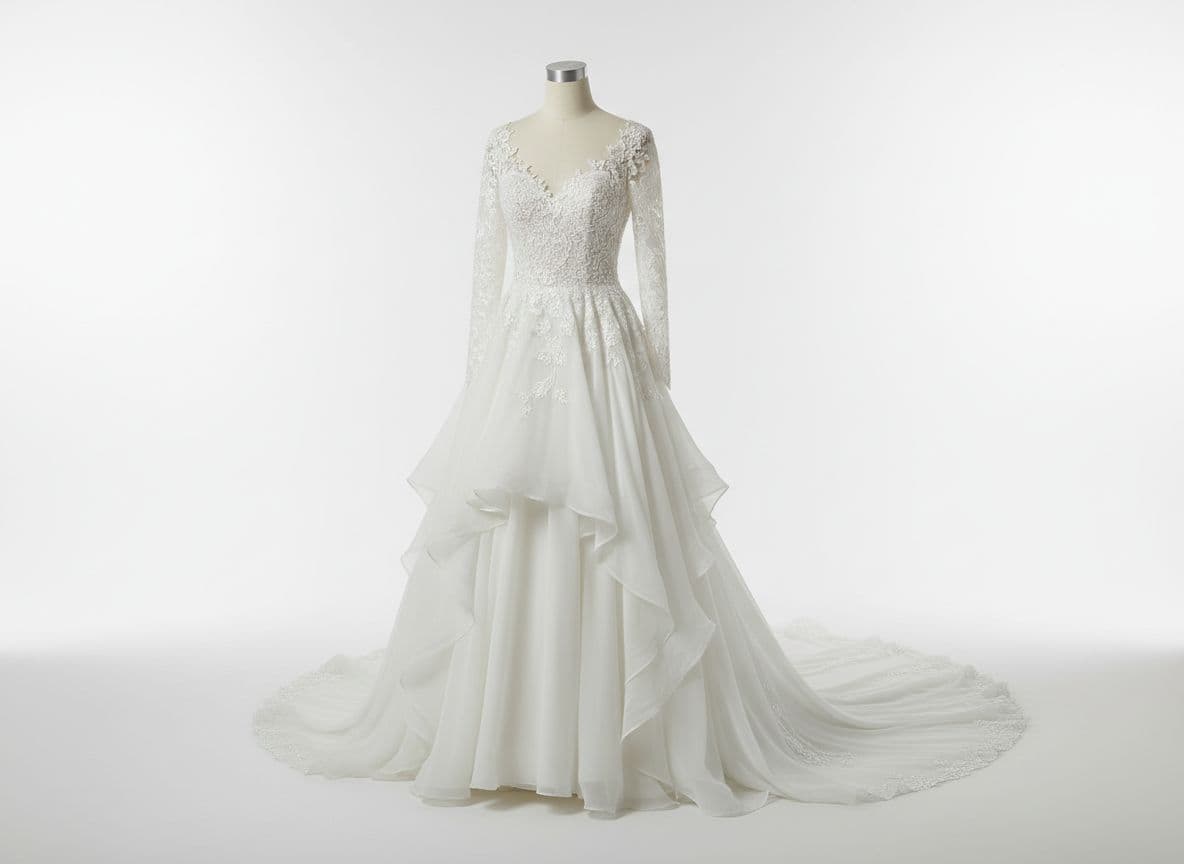
The average American bride spends $1,500-$3,000 on a wedding dress, with designer gowns often exceeding $5,000-$15,000. After the wedding, most dresses go into storage indefinitely, slowly yellowing and taking up space. The pre-owned wedding dress market is robust, with many brides actively seeking gently used designer gowns to save 40-70% off retail prices. Understanding your dress's resale value helps you decide whether to sell it, preserve it, donate it, or repurpose it. Many brides are surprised to learn that their dress still holds meaningful value. Even a dress that has been altered and worn can sell for 30-60% of the original price if it is a sought-after designer and style. Selling your wedding dress also gives it a second life, which many brides find emotionally satisfying.
Key Factors That Affect Wedding Dresses Value
Understanding what drives the price of wedding dresses helps you get the most accurate valuation.
Designer & Brand
High-end designers (Vera Wang, Oscar de la Renta, Monique Lhuillier, Elie Saab) retain 40-60% of retail value. Mid-range designers (Pronovias, Maggie Sottero, BHLDN, Jenny Yoo) retain 30-50%. Unbranded or private-label dresses from small bridal shops retain 15-30%. Couture and custom gowns can retain more if the designer has strong name recognition.
Style & Silhouette
Classic, timeless silhouettes (A-line, ballgown, fit-and-flare) sell better than heavily trendy styles. Dresses that are currently fashionable (minimalist crepe, romantic floral applique, modern sleek) command higher prices. Strapless dresses have declined in popularity, while long sleeves and off-shoulder styles are currently in demand.
Size & Alterations
Dresses in common sizes (4-12) sell fastest. Extensive alterations can reduce value if they limit which body types can wear the dress. Minor hemming is expected and acceptable. Dresses with the original tags still attached ('sample sales' or 'never worn') command the highest prices.
Condition & Preservation
A professionally cleaned and preserved dress is worth 15-25% more than one that has not been cleaned. Stains (wine, dirt, makeup), yellowing, tears, and missing beading reduce value. If your dress was preserved in an airtight box shortly after the wedding, it is likely in excellent condition. Dresses stored in non-airtight plastic bags may have yellowed.
Included Accessories
Matching veils, belts, headpieces, and boleros add value when sold together. Detachable trains and sleeves that came with the dress should be included. Original garment bags and designer boxes also add perceived value to the listing.
Tips for Valuing Wedding Dresses
Get the most accurate valuation by following these tips when photographing your wedding dresses.
Photograph the dress on a mannequin or hanger in natural light, showing the full length and silhouette
Include close-ups of details like lace, beading, buttons, and the designer label
Show the back of the dress, which is often the most photographed angle at weddings
If the dress has been professionally cleaned and preserved, include a photo of the preservation certificate or box
Wedding Dresses Market Insights
The pre-owned wedding dress market has grown substantially, driven by cost-conscious brides and sustainability trends. Platforms like Stillwhite (the largest pre-owned wedding dress marketplace), Nearly Newlywed, PreOwnedWeddingDresses.com, and Poshmark have made buying and selling used bridal gowns mainstream. The stigma around wearing a pre-owned wedding dress has largely disappeared, with many modern brides actively seeking secondhand options. Designer dresses from current or recent seasons sell fastest and at the highest percentages. Vintage wedding dresses (1950s-1980s) have their own niche market, with certain eras and designers being highly collectible. The market is seasonal, with demand peaking from January through May (engagement season through spring wedding planning).
Notable Wedding Dresses Values
Real-world examples of what specific wedding dresses have sold for, so you can benchmark your own.
| Wedding Dresse | Condition | Typical Value |
|---|---|---|
| Vera Wang Ballgown (sample/used) | Used | $300 - $1,200 |
| Monique Lhuillier Bliss Collection gown | Used | $400 - $1,500 |
| David's Bridal off-the-rack gown | Used | $50 - $250 |
| Pronovias structured lace gown | Used | $300 - $900 |
| Maggie Sottero A-line (popular silhouette) | Used | $150 - $500 |
| Oscar de la Renta bridal gown | Used | $1,500 - $6,000 |
| Kleinfeld trunk show / off-rack sample gown | Sample | $100 - $600 |
| Berta or Galia Lahav bodycon gown | Used | $1,000 - $4,000 |
| Vintage 1980s-90s princess ballgown (non-designer) | Used | $40 - $200 |
Based on aggregated eBay sold listings, StillWhite, PreOwnedWeddingDresses.com, and bridal resale forum data.
Find Out What Your Wedding Dresses Are Worth
Upload a photo now and get a free AI-powered valuation in seconds. No sign-up required.
Wedding Dresses Valuation FAQ
How much can I sell my wedding dress for?
Most pre-owned wedding dresses sell for 30-60% of the original retail price. A $3,000 dress might sell for $900-$1,800 depending on the designer, condition, and demand. High-end designer gowns (Vera Wang, Oscar de la Renta) in excellent condition can retain up to 60% of value. Never-worn sample sale dresses with tags command the highest percentages. The key is pricing competitively. Check sold listings on Stillwhite for comparable dresses.
When is the best time to sell a wedding dress?
The best time to sell is January through May, which aligns with engagement season and spring wedding planning. Brides typically shop for dresses 8-12 months before their wedding, so listing during peak engagement season (December-February) captures maximum demand. Avoid listing in November-December when brides are focused on holiday events rather than dress shopping.
Where should I sell my wedding dress?
Stillwhite is the largest and most trusted pre-owned wedding dress marketplace, with a one-time listing fee and no commission. Nearly Newlywed offers consignment services and handles everything for a commission. Poshmark and Tradesy/Vestiaire are general fashion platforms with bridal sections. Local bridal consignment shops provide in-person selling. Facebook bridal buy/sell groups connect you with local brides. For designer gowns worth $5,000+, The RealReal luxury consignment is also an option.
Should I get my wedding dress cleaned before selling?
Yes, professional cleaning is strongly recommended and almost always increases your net proceeds. Bridal gown cleaning costs $150-$350 and removes stains from the hem, makeup, and perspiration that you might not even notice. A clean, fresh dress photographs better and commands a higher price. If your dress has been in storage for years without cleaning, yellowing and set stains may be harder to remove, so acting sooner is better.
What if my wedding dress has been altered?
Alterations do not disqualify your dress from resale, but they can affect value. Minor alterations (hemming, bust adjustments) are expected and have minimal impact. Major structural alterations (adding sleeves, removing trains, significant resizing) may limit your buyer pool. Always disclose all alterations in your listing and provide the current measurements rather than the original size, as this helps buyers determine fit.
Wedding Dresses Price Guides
Value anything, anytime
Unlimited valuations, saved history and full reports in the free app.