Last updated: September 2026
How Much Are My Dolls Worth?
From vintage Barbie dolls and limited-edition American Girl dolls to antique French bisque dolls and German porcelain dolls, our AI identifies your doll's maker, era, and condition to provide an accurate market valuation. Whether you have a childhood collection or inherited antique dolls, discover their true worth instantly.
Get the free app for unlimited scans


Compare real prices
See what dolls are listed for right now
Affiliate link: we earn a commission if you buy, at no extra cost to you.
What do you want to value?
Get the free app for unlimited scans
Why Knowing Your Dolls Value Matters
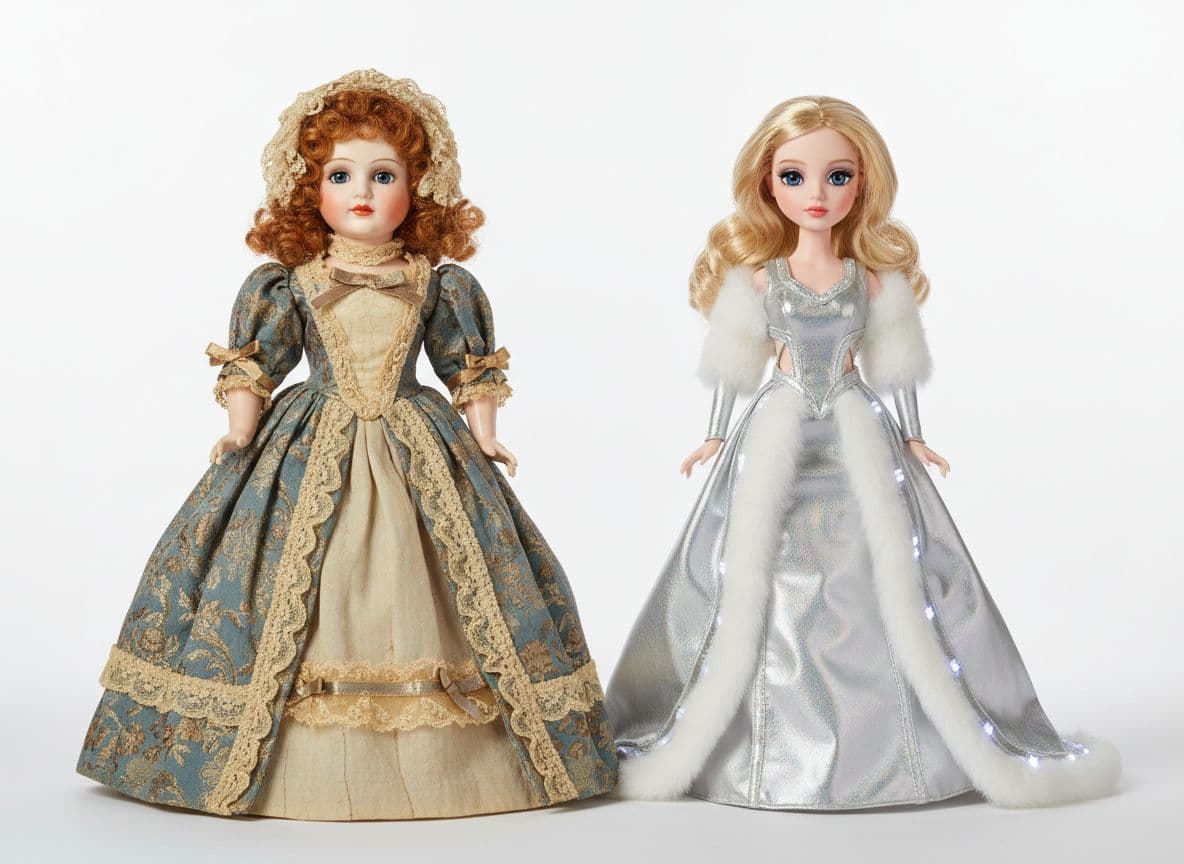
Dolls are among the most widely collected items in the world, spanning from antique dolls worth tens of thousands of dollars to modern collectibles that appreciate in value. A first-edition 1959 Barbie in mint condition can sell for $25,000+, and rare antique French Bru or Jumeau bisque dolls regularly command $5,000-$50,000 at auction. Many collectors underestimate the value of dolls from the 1960s-1990s, where certain Barbies, Cabbage Patch Kids, and Madame Alexander dolls have become highly sought after. Knowing your dolls' value prevents selling a treasure for pennies at a yard sale.
Key Factors That Affect Dolls Value
Understanding what drives the price of dolls helps you get the most accurate valuation.
Maker & Brand
Certain doll makers command premium prices. Antique makers like Bru, Jumeau, Kestner, and Simon & Halbig are highly valued. Modern collectible brands like Madame Alexander, Tonner, and early Barbie dolls by Mattel also hold strong value.
Age & Rarity
Generally, older dolls are more valuable, especially those from the 1800s and early 1900s. Limited editions, store exclusives, and dolls with short production runs are more sought after. First editions of popular lines carry significant premiums.
Condition & Completeness
Original clothing, shoes, accessories, and packaging dramatically affect value. A doll with original outfit might be worth $200, while the same doll nude could be $30. Hair condition (original set vs. combed out) also matters considerably for vintage dolls.
Materials & Construction
Bisque (unglazed porcelain) head dolls are typically more valuable than composition, hard plastic, or vinyl dolls. French bisque dolls are generally valued higher than German ones. The quality of glass eyes, mohair wigs, and body construction all factor into value.
Markings & Documentation
Maker's marks on the back of the head or body help identify and authenticate dolls. Original boxes, hang tags, certificates of authenticity, and wrist tags significantly increase value. Unmarked dolls are harder to value but can still be identified by experts.
Tips for Valuing Dolls
Get the most accurate valuation by following these tips when photographing your dolls.
Photograph the doll from multiple angles including face, full body, and any markings
Show the original clothing and accessories separately if possible
Include any boxes, tags, certificates, or paperwork with the doll
Photograph any markings on the back of the head, neck, or body for identification
Dolls Market Insights
The doll market is segmented between antique dolls (pre-1930), vintage dolls (1930-1980), and modern collectibles. Antique French and German bisque dolls remain the highest-value segment, with exceptional examples selling for $20,000-$100,000+ at specialized auctions. The Barbie market has experienced a resurgence, particularly after the 2023 Barbie movie sparked renewed collector interest. Vintage Barbies from the 1960s and Mod era are especially hot. American Girl dolls from the original Pleasant Company era (1986-1998) have also appreciated. The market for artist dolls and reborn dolls has grown steadily, with one-of-a-kind pieces commanding premium prices.
Notable Dolls Values
Real-world examples of what specific dolls have sold for, so you can benchmark your own.
| Doll | Condition | Typical Value |
|---|---|---|
| Barbie #1 (1959, Ponytail) | Good - Excellent | $1,000 - $8,000+ |
| American Girl Pleasant Company Samantha (Pre-Mattel) | Used, Complete | $150 - $400 |
| Madame Alexander Cissette (1957-1963) | Near Mint, Tagged | $80 - $300 |
| Antique French Bisque Bebe (Jumeau or Bru, late 1800s) | Good, Authenticated | $800 - $6,000+ |
| Barbie Totally Hair (1992) | Sealed in Box | $30 - $120 |
| Liddle Kiddles (Mattel, 1966-1971) | Used, Complete Set | $20 - $150 |
| Effanbee Dy-Dee Baby (1930s-1940s) | Good, Original Outfit | $60 - $250 |
| Shirley Temple Composition Doll (Ideal, 1930s) | Good | $100 - $600 |
| American Girl Molly (Retired 2013) | Used, No Accessories | $30 - $80 |
Based on eBay sold listings, Heritage Auctions records, and established doll collector price guides.
Find Out What Your Dolls Are Worth
Upload a photo now and get a free AI-powered valuation in seconds. No sign-up required.
Dolls Valuation FAQ
How do I find out what kind of doll I have?
Look for markings on the back of the head, neck, shoulders, or back. These often include the maker's name, mold number, and country of origin. Our AI can identify dolls from photos by analyzing facial features, body type, markings, and clothing style. For unmarked dolls, construction materials and style help narrow down the maker and era.
Are old Barbie dolls valuable?
Many vintage Barbies are quite valuable. The most valuable are #1 Barbies from 1959 ($8,000-$25,000+), but Barbies from the 1960s Mod era, holiday editions from the early 1990s, and certain limited editions also command strong prices. Even common Barbies from the 1970s-80s in good condition with original outfits can be worth $30-$100.
Does restringing or restoring a doll affect its value?
Professional restoration by a qualified doll restorer can increase value for damaged antique dolls. However, amateur repairs, repainting, or adding non-original parts reduce value. Original condition is always preferred by collectors. Restringing (replacing elastic) is considered acceptable maintenance and doesn't negatively impact value.
What are the most valuable dolls in the world?
The most valuable include rare antique French Bru and Jumeau bisque dolls ($50,000-$300,000), first-edition 1959 Barbies ($25,000+), and fine artist dolls. Among more accessible collectibles, Madame Alexander dolls, early American Girl dolls, and vintage composition dolls from the 1930s-40s regularly sell for $100-$2,000.
Dolls Price Guides
Dolls Guides & Articles
Value anything, anytime
Unlimited valuations, saved history and full reports in the free app.