Last updated: September 2026
How Much Are My Beanie Babies Worth?
Whether you have a Princess Diana bear, a rare first-generation Peanut the Elephant, or a collection of common beanies from the 1990s, our AI identifies your Beanie Baby and provides an accurate current market value. Separate the truly valuable finds from the common ones in seconds.
Get the free app for unlimited scans


Compare real prices
See what beanie babies are listed for right now
Affiliate link: we earn a commission if you buy, at no extra cost to you.
What do you want to value?
Get the free app for unlimited scans
Why Knowing Your Beanie Babies Value Matters
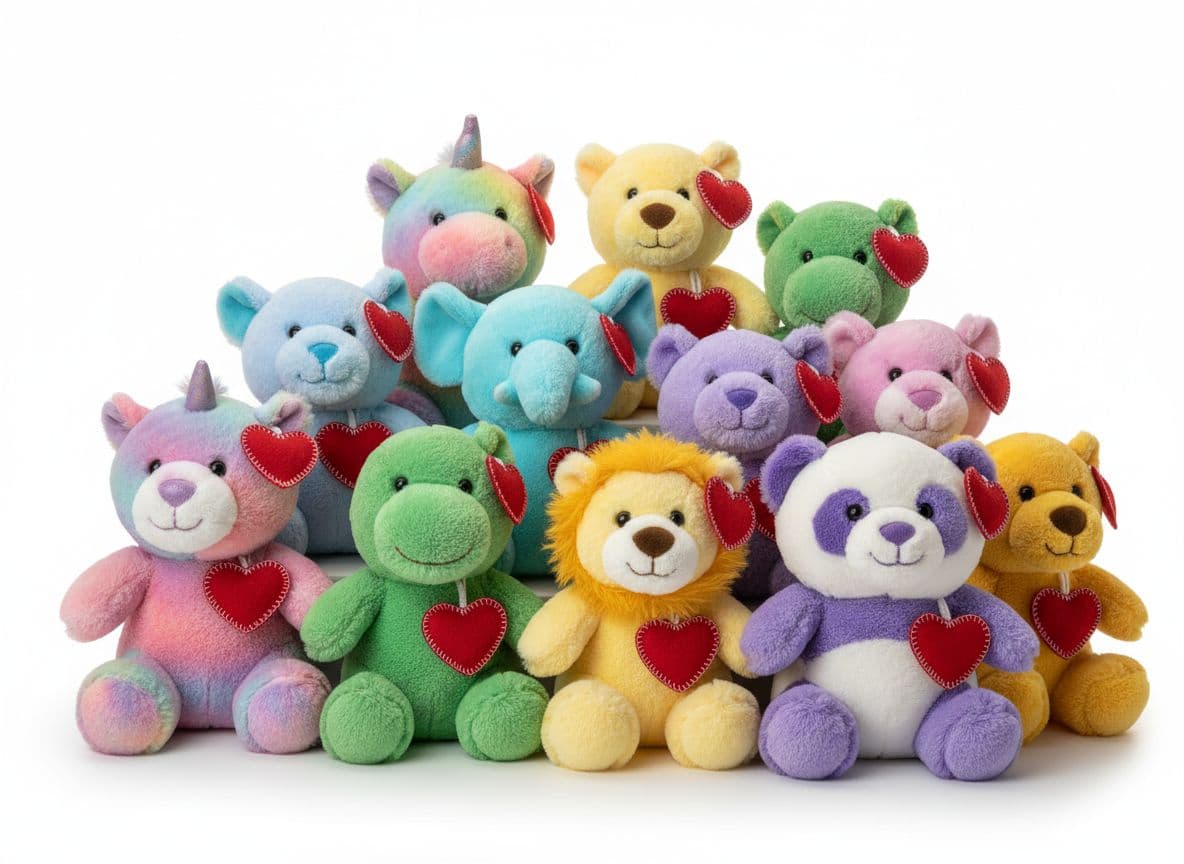
Beanie Babies were the hottest collectible craze of the 1990s, and millions of people still have them stored away in hopes they will be worth a fortune. The reality is nuanced: while the vast majority of Beanie Babies are worth $1-$5 each, a small number of rare variants with specific tag errors, unusual colors, or limited production runs can be worth $50-$5,000 or more. Myths about Beanie Baby values run rampant online, with clickbait articles claiming common beanies are worth thousands. Getting an accurate, realistic valuation protects you from both undervaluing a genuinely rare piece and overvaluing common ones. Our AI cuts through the hype and gives you honest market prices based on actual recent sales.
Key Factors That Affect Beanie Babies Value
Understanding what drives the price of beanie babies helps you get the most accurate valuation.
Rarity & Character
Only a handful of Beanie Babies are genuinely rare and valuable. The most sought-after include the royal blue Peanut the Elephant (not the light blue version), early Brownie the Bear (later renamed Cubbie), Nana the Monkey (renamed Bongo), and authenticated first-generation Teddy bears in unusual colors.
Tag Generation & Condition
Ty hang tags went through multiple generations (1st through present). First-generation tags (single-heart, no poem) from 1993-1994 are the most valuable. A mint tag with no creases, bends, or fading adds significant value. Missing tags reduce value by 50-80% for collectible pieces.
Tag Errors & Variations
Genuine tag errors can add value. For example, an early Princess bear with a PVC pellet filling instead of PE pellets, or specific misspellings on tush tags, can indicate rarer production runs. However, many supposed 'errors' are actually common and do not add value.
Condition of the Plush
A Beanie Baby in mint condition with vibrant colors, clean plush, and properly filled beads is worth more. Fading, staining, missing beads, and musty smells from storage significantly reduce value. Beanies stored in protective tag covers and kept away from sunlight retain the most value.
Authentication
For high-value Beanie Babies, third-party authentication from services like True Blue Beans or Peggy Gallagher significantly increases buyer confidence and realized prices. Counterfeit rare Beanie Babies are common, especially for characters like Princess and Valentino.
Tips for Valuing Beanie Babies
Get the most accurate valuation by following these tips when photographing your beanie babies.
Photograph both the front of the Beanie Baby and a clear close-up of the hang tag (front and back)
Include a photo of the tush tag (the white tag sewn into the bottom seam) as it helps identify generation and errors
Use natural lighting against a plain background and show the overall condition of the plush
If the tag is in a protective plastic cover, photograph it both with and without the cover
Beanie Babies Market Insights
The Beanie Baby market has stabilized considerably since the speculative bubble of 1998-2000. Most common Beanie Babies sell for $1-$5 at flea markets and yard sales. However, the market for genuinely rare pieces remains active among dedicated collectors. Social media and nostalgia trends periodically revive interest, causing temporary price spikes. eBay is the primary marketplace, but be cautious of inflated 'Buy It Now' listings. Always check sold listings for actual market prices. The market for authenticated, rare Beanie Babies with mint tags has actually strengthened as the number of surviving examples in top condition decreases each year.
Notable Beanie Babies Values
Real-world examples of what specific beanie babies have sold for, so you can benchmark your own.
| Beanie Babie | Condition | Typical Value |
|---|---|---|
| Princess the Bear (1st Edition, no surface wash tag) | Near Mint, tags intact | $20 - $80 |
| Peanut the Elephant (Royal Blue, 1st generation) | Near Mint, tags intact | $1,500 - $5,000+ |
| Humphrey the Camel (retired 1998) | Near Mint, tags intact | $200 - $600 |
| Brownie the Bear (1st generation, before renamed Cubbie) | Near Mint, tags intact | $500 - $2,500 |
| Large Wallace and Friends Gift Set (Authenticated) | Authenticated, tags intact | $300 - $900 |
| Spot the Dog (no spot variant, 1st generation) | Near Mint, tags intact | $700 - $2,000 |
| Curly the Bear (standard retired) | Near Mint, tags intact | $5 - $20 |
| Valentino the Bear (misprint, rose on foot) | Near Mint, tags intact | $50 - $300 |
| Gobbles the Turkey (1st generation, 1997) | Near Mint, tags intact | $15 - $60 |
Based on eBay completed/sold listings, collector price guides (Beanie World, CheckerBee), and auction records. Ranges are conservative; tag condition and generation significantly affect realized prices.
Find Out What Your Beanie Babies Are Worth
Upload a photo now and get a free AI-powered valuation in seconds. No sign-up required.
Beanie Babies Valuation FAQ
Are Beanie Babies from the 90s worth anything?
Most Beanie Babies from the 1990s are worth $1-$5 each in today's market. However, a small percentage of rare characters and variants can be worth $50-$5,000+. The key factors are the specific character, tag generation (1st and 2nd gen are most valuable), tag errors, and overall condition. Do not believe clickbait articles claiming common beanies are worth thousands. Always check actual eBay sold prices.
Is my Princess Diana Beanie Baby worth thousands?
Probably not. The Princess bear was produced in very large quantities, and most are worth $5-$25 despite what internet myths claim. The first-run Princess bears with PVC pellets (rather than PE pellets) and 1st-edition Indonesian-made tush tags are worth more ($50-$200 with mint tags). Claims of Princess bears being worth $10,000+ are almost always based on inflated, unsold eBay listings rather than actual completed sales.
How do I tell which generation tag my Beanie Baby has?
First generation tags (1993-1994) have a single heart with thin font. Second generation (1994-1995) have a single heart with a different font. Third generation (1995-1996) introduced the Beanie Baby name on the tag. Fourth generation (1997-1998) added a yellow star. Fifth generation (1998-1999) is similar but with slight changes. Later generations follow. First and second generation tags are the most desirable for collectors.
Where should I sell my Beanie Babies?
eBay is the best platform for individual rare Beanie Babies, where you can reach dedicated collectors worldwide. For bulk collections of common beanies, Facebook Marketplace or local consignment shops are practical options. Dedicated Beanie Baby Facebook groups and forums connect you directly with serious collectors. For truly rare authenticated pieces worth $500+, consider consigning with a specialty auction house.
Should I get my rare Beanie Baby authenticated?
If you believe you have a genuinely rare Beanie Baby worth $100+, authentication is worthwhile. Services like True Blue Beans authenticate and tag Beanie Babies, which significantly increases buyer confidence and selling price. Authentication typically costs $10-$30 per item and can double or triple the realized sale price for rare pieces. It also protects you from unknowingly selling a counterfeit.
Beanie Babies Price Guides
Value anything, anytime
Unlimited valuations, saved history and full reports in the free app.